
Ecologist Madhav Gadgil Passes Away At 83: Family, Scientists Remember A Gentle Giant
What happened: Renowned ecologist Madhav Gadgil died in Pune at age 83 after illness and complications from infection. Why it matters now: Gadgil shaped India’s...
-
What happened: Renowned ecologist Madhav Gadgil died in Pune at age 83 after illness and complications from infection.
-
Why it matters now: Gadgil shaped India’s environmental policy through his seminal work on the Western Ghats, influencing how ecologically sensitive regions are identified.
-
What changes for people: His passing leaves a gap in the debate on sustainable development, livelihoods, and conservation.
-
Who is affected: The scientific community, policy institutions, conservation groups, and families who worked closely with him.
India lost one of its most respected environmental thinkers on Thursday as Madhav Gadgil, celebrated for combining science, ethics, and compassion in ecological research, passed away in Pune at the age of 83. His family confirmed that he succumbed to complications linked to an infection, ending a decades-long journey that changed how India views biodiversity and environmental governance.
Gadgil’s death comes at a time when the country is struggling to balance rapid growth with environmental protection, making his legacy even more relevant for 2026 and beyond.
A Scientist With A Human Touch At Home
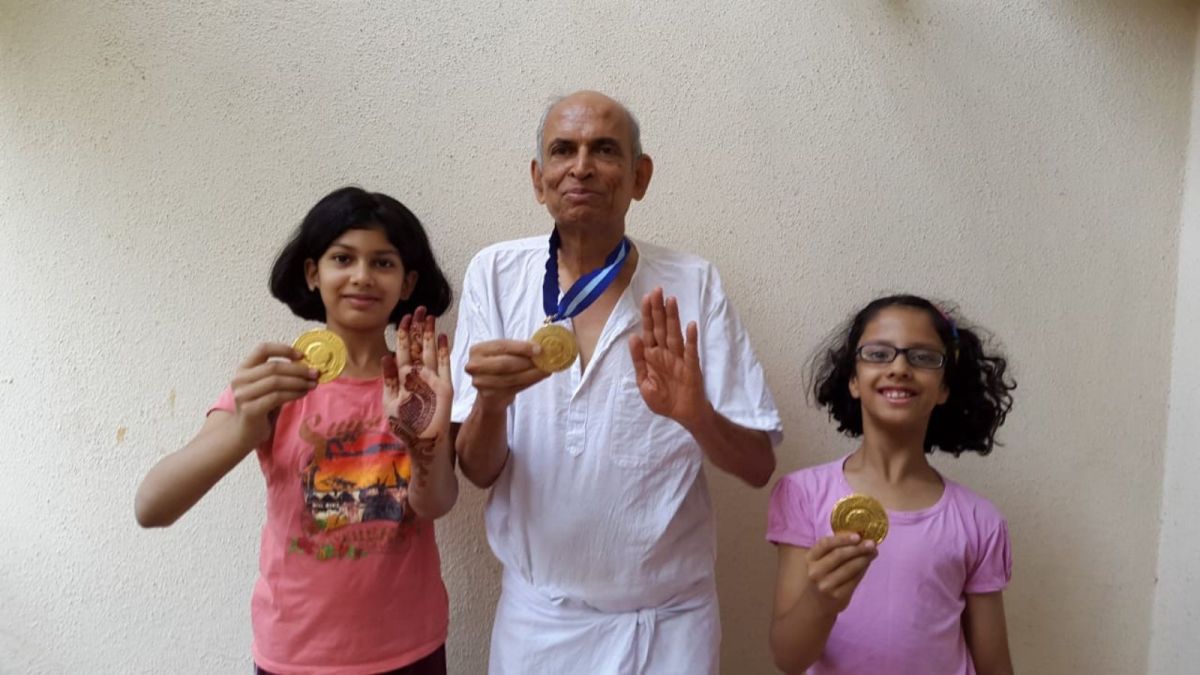
While Gadgil was admired globally for his scholarship, his daughter Gauri remembered him as a playful grandfather who never hesitated to go to extremes for his granddaughters. She recalled how he would joke, stand on his head, and prepare elaborate fruit platters just to make them smile.
His athletic side also surfaced through family stories. One of his granddaughters, Tara Shah, is a professional badminton player, and Gadgil often entertained the children with tales of being a junior state high-jump champion in his youth.
Final Days And Medical Complications
According to his son Siddhartha, Gadgil had been dealing with multiple health issues over recent months. After recovering from a hip fracture, he later developed a throat infection that progressed to aspiration pneumonia. He was admitted to a private hospital in Pune, where he suffered brain haemorrhage and septic shock, ultimately proving fatal.
The family confirmed that last rites would be performed at Vaikunth crematorium.
Shaping India’s Environmental Thinking
Gadgil, known for his work on the Western Ghats, authored assessments that remain central to how governments classify and manage ecologically sensitive zones. His research stressed that conservation must respect the rights and livelihoods of communities who depend on forests, making him an important voice in policy circles.
He was deeply respected across disciplines, contributing to mathematics, natural sciences, social sciences, history, and public policy, reflecting a rare intellectual breadth.
Tributes From Scientific And Policy Leaders
Former WHO Chief Scientist Dr Soumya Swaminathan said she always made time to visit Gadgil in Pune, describing him and his wife Sulochana Gadgil as scientists who worked with empathy and pragmatism. She called him an exemplary scholar whose work should be essential reading for ecology and forestry officers.
Dr Swaminathan highlighted Gadgil’s memoir, A Walk Up The Hill, which recounts his early years observing nature, learning from tribal communities across India, and his academic experiences including time with legendary biologist E O Wilson.
Environmental policy experts also acknowledged his legacy. Prof Gurudas Nulkar from the Centre for Sustainable Development said the country needs more scientists who can connect ecology with livelihoods, especially in a period of aggressive economic expansion.
Why Gadgil Mattered Beyond Academia
Gadgil’s ideas influenced how India reconciles economic aspirations with environmental justice. His work challenged traditional conservation by arguing that people living near forests are central to sustainability efforts, not obstacles to them.
His passing removes a key voice from national conversations on:
-
Biodiversity governance
-
Community-led conservation
-
Sustainable development models
-
Protection of ecologically fragile zones
At a moment when climate risks and development pressures are intensifying, the loss of such a perspective is significant for policymakers and citizens alike.