
EC Data Mismatch Raises Questions as Bengal Electoral Roll Revision Faces Scrutiny
Conflicting figures linked to the Special Intensive Revision (SIR) in West Bengal have triggered fresh debate over voter verification.Two sets of Election Commission data dated...
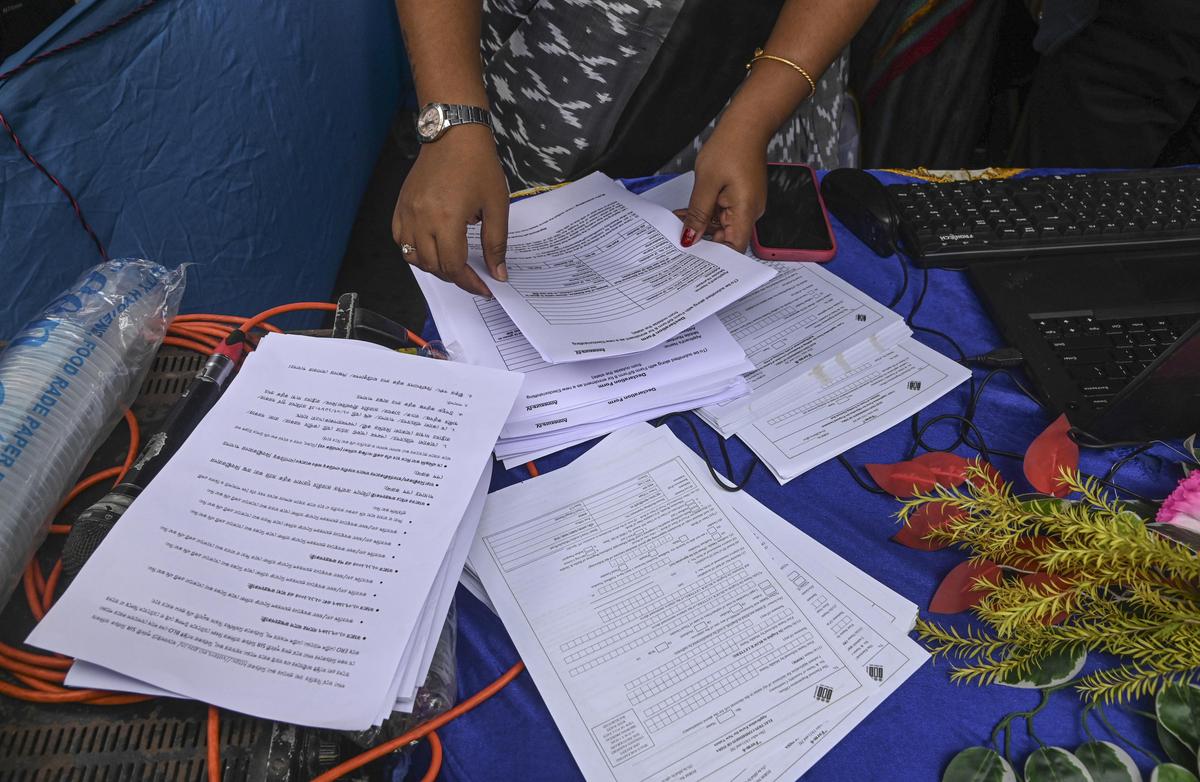
Conflicting figures linked to the Special Intensive Revision (SIR) in West Bengal have triggered fresh debate over voter verification.
Two sets of Election Commission data dated January 18 show sharply different counts of notices issued under one discrepancy category.
The issue has surfaced while the revision process is under judicial review ahead of final electoral roll publication.
-
What happened: Two official datasets showed 13 lakh versus 50.89 lakh notices issued under a “logical discrepancy” category during the SIR in West Bengal.
-
Why it matters now: The revision exercise is already under challenge in the Supreme Court, raising questions about data accuracy and transparency.
-
What changes for people: Over 1.16 crore electors flagged for discrepancies may face hearings to confirm eligibility.
-
Who is affected: Voters in West Bengal, election authorities, political stakeholders, and legal observers tracking electoral reforms.
An apparent mismatch between two sets of Election Commission (EC) data has drawn attention to the ongoing Special Intensive Revision of electoral rolls in West Bengal. Documents dated January 18 show differing numbers of notices issued to voters flagged for “logical discrepancies,” a category used by officials to identify irregularities in submitted records.
Two datasets, one category, sharply different figures
According to an affidavit filed by the EC in the Supreme Court, around 13 lakh notices were generated for electors who listed the same parent as six or more voters. However, data from the West Bengal Chief Electoral Officer (CEO) office, also dated January 18, reportedly shows 50,89,519 individuals identified in the same category.
The discrepancy has emerged as hearings continue across the state for voters flagged during the first phase of the revision process.
<u>The EC submitted its figures through a sworn affidavit to the Supreme Court, marking the first official disclosure of notice-related data since the SIR began.</u>
What the ‘logical discrepancy’ category means
The revision exercise flagged more than 1,16,91,908 electors for various document-related issues. One of the key triggers involved multiple voters naming the same individual as a parent, which authorities say could indicate incorrect or incomplete documentation.
The CEO office’s dataset reportedly includes district-wise breakdowns covering several discrepancy types, including:
-
Father’s name mismatches
-
Large age gaps with parents or grandparents
-
Cases where six or more voters share the same listed parent
Officials said new software tools were deployed during the SIR to identify such patterns for the first time.
EC’s explanation and absence of official clarification
In its affidavit, the Election Commission stated that notices were necessary to ensure that personal details were not misused and that some voters had listed unrelated individuals as parents to link themselves to earlier electoral rolls.
<u>The EC defended the issuance of notices as part of a verification process aimed at protecting the integrity of voter data.</u>
Queries sent to the Commission seeking clarification on the differing figures did not receive a response at the time of reporting. Sources in the CEO’s office declined to comment, noting that notices were generated centrally by the EC.
Timeline of the Special Intensive Revision
The nationwide SIR was announced in June 2025, starting with Bihar ahead of its Assembly elections. In October 2025, the EC expanded the exercise to nine states and three Union Territories, including West Bengal.
Unlike annual revisions, this intensive process involves rebuilding electoral rolls from scratch, something the Commission has not undertaken in more than 20 years. Voters have been asked to provide personal or parental details linked to earlier revisions, with West Bengal’s last intensive exercise conducted in 2002.
<u>Final electoral rolls are scheduled to be published on February 14, except in Uttar Pradesh.</u>
Legal challenges and political implications
The SIR process itself has been challenged before the Supreme Court, with petitioners questioning the requirement for voters to submit documents similar to citizenship verification. The outcome could influence future electoral roll updates across the country.
Analysts say discrepancies in official datasets may increase political tensions in the run-up to elections, especially if voters fear removal or delays in verification.
Why this matters right now
-
Governance and elections: Accurate voter data is central to election credibility.
-
Public trust: Conflicting numbers may fuel debate over transparency in electoral processes.
-
Legal oversight: Ongoing court proceedings could shape how future revisions are conducted nationwide.
Experts note that large-scale revisions often face logistical challenges, but consistency in official communication remains critical for maintaining confidence among voters.