
E coli detected in parts of Bhopal as contaminated water concerns grow; slaughterhouse sealed
What happened: E coli bacteria was detected in four locations in Bhopal, triggering inspections and enforcement action. Why it matters now: The findings come amid...
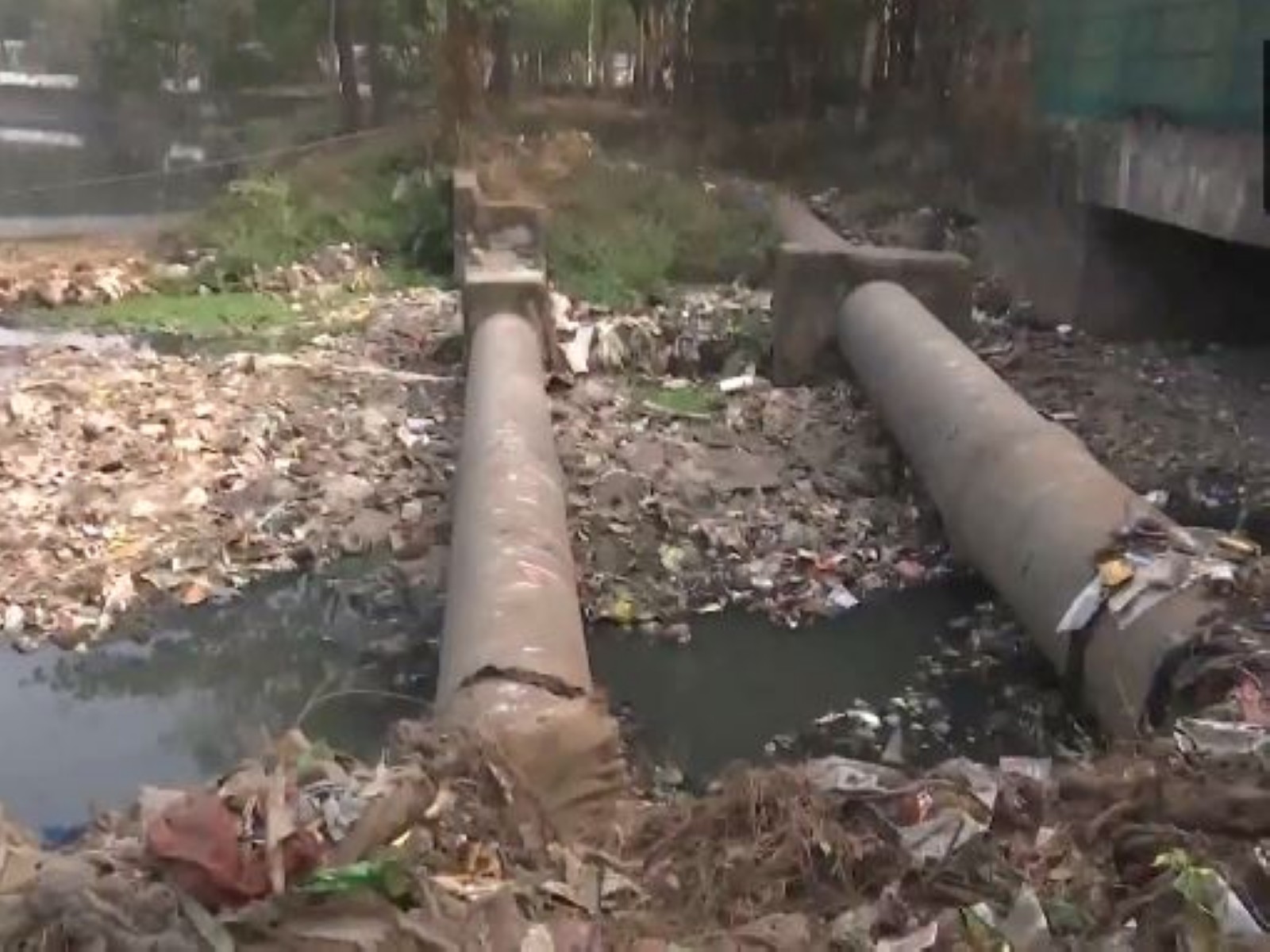
-
What happened: E coli bacteria was detected in four locations in Bhopal, triggering inspections and enforcement action.
-
Why it matters now: The findings come amid public anxiety after recent water contamination deaths in Indore, raising state-level concerns over urban water safety.
-
What changes for people: Tube wells and underground sources are under scrutiny, and the civic body has sealed a slaughterhouse and warned officials against negligence.
-
Who is affected: Residents of Bhopal, civic authorities, and city water management departments are directly impacted.
Contaminated water has resurfaced as a serious public health concern in Bhopal, after city testing teams confirmed the presence of E coli bacteria in four separate locations. The discovery comes days after contamination-linked fatalities in Indore, intensifying scrutiny of water supply systems across Madhya Pradesh.
Civic officials in the state capital said they have already collected 1,810 water samples from across the city for laboratory analysis. According to the Bhopal Municipal Corporation, the contaminated samples originated from tube wells and represented raw underground water, not treated water supplied through the municipal pipeline network.
BMC intensifies inspections and enforcement
Bhopal Mayor Malti Rai stated that inspection teams are actively responding to public complaints, testing water on-site and sending samples for laboratory evaluation. She underlined that each reported fault is being rectified, and distribution lines are being checked to identify leaks or cross-contamination.
The mayor confirmed that a slaughterhouse within city limits has been sealed, after its water samples failed quality checks. She added that action was being taken against the responsible official, vendor, or operator, signalling tougher enforcement on entities that violate public health standards.
City officials have also warned of disciplinary action against negligent employees and stressed that ignoring complaints will invite penalties, highlighting a shift to zero-tolerance on municipal water safety lapses.
Opposition alleges project failures and ignored warnings
The issue has sparked political reactions as well. Congress leader Amit Sharma alleged systemic negligence in the city’s sewage project, claiming that advisory complaints submitted earlier were ignored and that contamination risks were foreseeable. Sharma referred to alleged sewage mixing incidents and urged authorities to expand sampling and identify vulnerable areas.
A day earlier, senior Congress leader Digvijaya Singh posted concerns on social media regarding suspected sewage discharge into the Narmada River at Gwarighat, Jabalpur, warning that untreated water could enter residential supply chains. He cautioned that the situation could escalate without urgent corrective measures and flagged the matter to state leadership and local administration.
Why this matters beyond one city
Water safety has become a statewide governance issue after incidents in Indore’s Bhagirathpura area, where contaminated water reportedly led to multiple deaths and widespread health impacts. The developments have raised fresh questions about:
• Urban infrastructure upkeep
• Sewage-water separation systems
• Emergency testing and response preparedness
• Accountability of contractors and local bodies
Public health experts note that E coli contamination typically indicates sewage infiltration, which can escalate into outbreaks of diarrhoeal diseases, typhoid, and gastroenteritis if not addressed swiftly.