
Dense Fog, Cold Day Grip Delhi as Air Quality Remains ‘Very Poor’
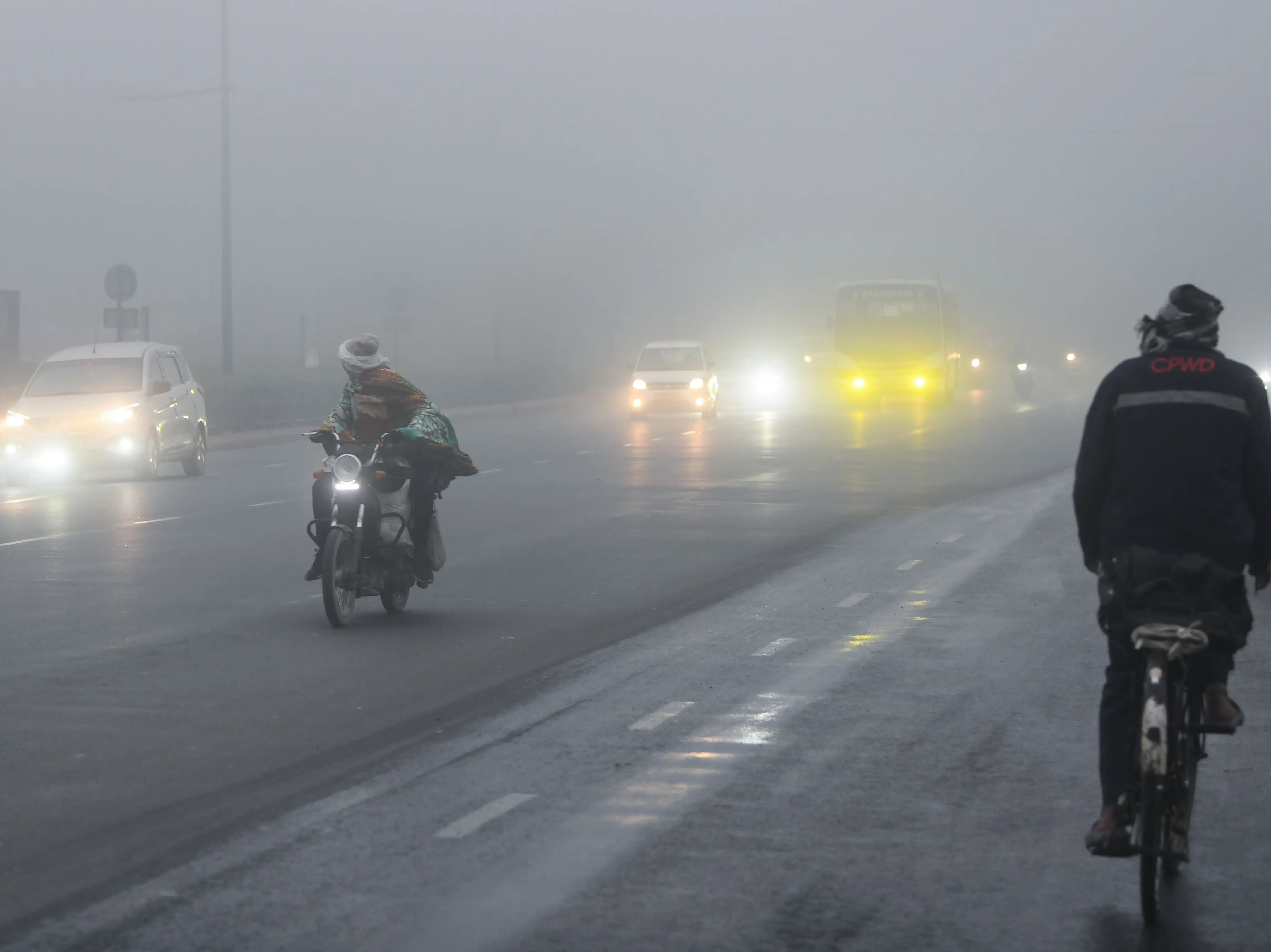
IMD warns of cold wave conditions till January 5; pollution levels show slight relief but stay hazardous New Delhi woke up to dense fog and...
&imwidth=800&imheight=600&format=webp&quality=medium)
IMD warns of cold wave conditions till January 5; pollution levels show slight relief but stay hazardous
New Delhi woke up to dense fog and biting cold on Friday, January 2, 2026, as winter conditions tightened their grip on the national capital. The India Meteorological Department (IMD) said cold day conditions prevailed across the city, with visibility reduced in several areas during the morning hours.
Temperatures Dip Across the Capital
According to IMD data, the minimum temperature at Delhi’s base station, Safdarjung, was recorded at 9.1 degrees Celsius. Other parts of the city reported similar or slightly lower readings: Palam and Lodhi Road logged 9 degrees Celsius, the Ridge area recorded 8.7 degrees Celsius, while Ayanagar was the coldest at 8.1 degrees Celsius.
The weather office said cold wave conditions are likely to affect isolated pockets of Delhi between January 2 and January 5. As per IMD criteria, a cold wave is declared when the minimum temperature drops between 4.5 and 6.5 degrees Celsius below the seasonal average.
IMD officials also confirmed that Delhi is experiencing “cold day” conditions—defined as a situation where the maximum temperature remains at least 4.5 degrees Celsius below normal for the time of year. The maximum temperature on Friday is expected to hover around 18 degrees Celsius.
Fog to Persist, Disrupting Mornings
The IMD has forecast dense to very dense fog during night and early morning hours at many locations in the capital over the next few days. Such conditions typically disrupt road, rail and air traffic, and authorities have advised commuters to exercise caution during early travel hours.
Air Quality Still Hazardous
Even as weather conditions worsened, Delhi’s air quality showed only marginal improvement and remained firmly in the ‘very poor’ category. The Air Quality Index (AQI) was recorded at 302 on Friday morning, according to data from the Central Pollution Control Board (CPCB).
Under CPCB standards, an AQI between 301 and 400 is classified as ‘very poor’, a range associated with respiratory discomfort for most people and serious health impacts for vulnerable groups.
Data from the CPCB’s SAMEER app showed that air quality varied widely across the city:
-
19 monitoring stations recorded ‘very poor’ air
-
15 stations were in the ‘poor’ category
-
One station, NSIT Dwarka, slipped into the ‘severe’ category with an AQI reading of 423
For comparison, Delhi’s 24-hour average AQI on Thursday stood at a much higher 380.
Outlook for the Coming Days
The Air Quality Early Warning System has predicted that Delhi’s air quality is likely to remain in the ‘very poor’ category until at least January 4, with similar pollution levels expected over the following six days due to stagnant winds and unfavourable meteorological conditions.
With cold, fog and pollution combining to strain public health, doctors continue to advise residents—especially children, the elderly and those with respiratory or cardiac conditions—to limit outdoor exposure and follow preventive measures in the days ahead.