
Dementia’s Earliest Clues Can Appear Decades Before Diagnosis, Studies Show
New research suggests Alzheimer’s and other forms of dementia may begin silently altering the brain 10 to 20 years before diagnosis — offering a crucial...
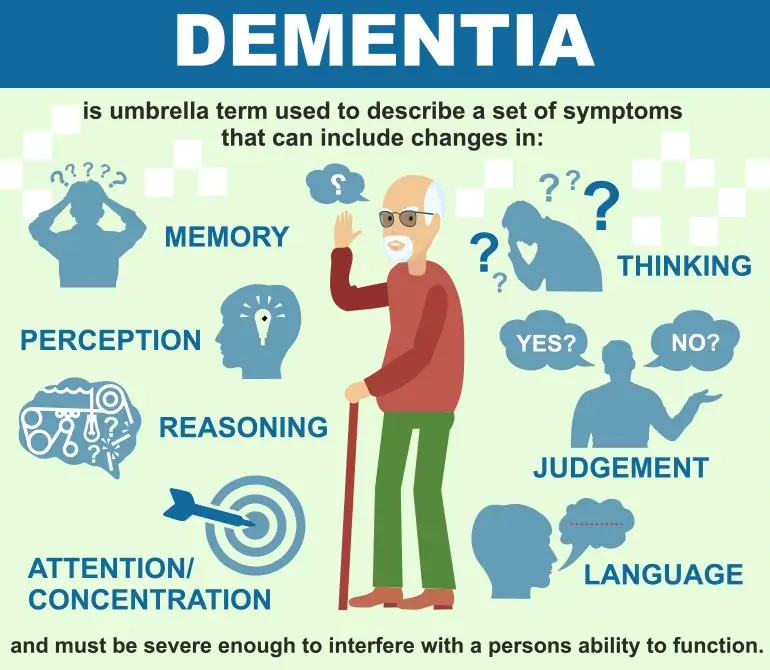
New research suggests Alzheimer’s and other forms of dementia may begin silently altering the brain 10 to 20 years before diagnosis — offering a crucial window for early detection and intervention.
The Hidden Onset of Dementia
Dementia doesn’t emerge overnight. Its roots often stretch back over a decade, gradually changing memory, mood, and thinking. Many older adults dismiss these subtle shifts as “just aging,” but mounting research reveals they may be the first signs of a developing neurodegenerative disorder.
A landmark study has found that people who later developed Alzheimer’s disease had lower cognitive test scores up to 17 years before their diagnosis. Recognizing these early markers could help individuals and families take proactive steps — from medical evaluation to lifestyle adjustments — long before symptoms become disabling.
Dementia is not a single disease but an umbrella term for a group of brain disorders that impair memory, judgment, and everyday functioning. Alzheimer’s disease accounts for about 60–70% of cases, followed by vascular, Lewy body, and frontotemporal dementias.
The Growing Impact: Half of Older Adults Die with Dementia
A recent analysis shows that nearly one in two older adults now die with dementia, whether diagnosed or not. The global rise in dementia cases underscores the importance of early recognition, prevention, and public health awareness.
10 Early Warning Signs of Dementia
1. Subtle Short-Term Memory and Recall Problems
Forgetting recent conversations, repeating questions, or missing appointments can be early cognitive clues.
Researchers at University College London found that people who later developed early-onset Alzheimer’s performed normally on short-term recall but struggled when retested days later — suggesting memory decay begins long before diagnosis.
2. Decline in Problem-Solving and Focus
Trouble managing multi-step tasks, balancing accounts, or switching between activities may indicate early executive dysfunction.
A Cambridge University study linked slower reaction times and weaker problem-solving skills years before clinical Alzheimer’s onset.
3. Subtle Changes in Movement or Balance
Frequent tripping, slower walking speed, or unexplained falls can signal early brain changes.
The National Institutes of Health (NIH) found motor dysfunction often appears 5–10 years before dementia diagnosis.
4. Unintended Weight Loss or Metabolic Shifts
Unexplained weight loss or shrinking waist size may reflect metabolic decline in the pre-dementia phase. Longitudinal research shows these changes can begin a decade before symptoms, with rapid acceleration two to four years before onset.
5. Emotional and Mood Changes
Depression, anxiety, irritability, or apathy may emerge years before memory loss.
Large population datasets show a spike in mood disorder diagnoses 5–10 years before Alzheimer’s is confirmed — though not all such cases progress to dementia.
6. Hearing or Vision Loss
Untreated hearing loss and visual impairment have been identified by the World Health Organization as major modifiable risk factors for dementia. Reduced sensory input limits cognitive stimulation and accelerates brain decline.
7. Disorientation and Navigation Problems
Getting lost in familiar places, confusion about spatial layouts, or misplacing objects can indicate early involvement of the brain’s navigation center.
According to the Fisher Center for Alzheimer’s Research Foundation, such damage may appear decades before symptoms.
8. Language and Communication Difficulties
Struggling to name familiar objects, find words, or follow conversations often marks early language network impairment. In roughly half of early Alzheimer’s cases, language or psychiatric symptoms appear before memory loss.
9. Disturbed Sleep or Circadian Rhythm Changes
Frequent nighttime awakenings, restless legs, or excessive daytime sleepiness are linked to higher dementia risk.
The Mayo Clinic includes sleep apnea and other sleep disorders among key preventable factors.
10. Sensory Changes or Minor Neurological Symptoms
Loss of smell or taste, tremors, or slower reflexes may precede cognitive symptoms by years.
A large insurance-claims study found sensory disorders carried higher dementia risk up to a decade in advance.
What To Do If You Notice These Signs
-
Seek Medical Evaluation: Ask for a cognitive screening such as the MMSE or MoCA. Early diagnosis enables treatment planning.
-
Manage Heart and Metabolic Health: Control blood pressure, cholesterol, and blood sugar — midlife cardiovascular health is closely tied to late-life brain health.
-
Adopt a Brain-Healthy Lifestyle: A balanced diet, physical activity, lifelong learning, and social engagement help protect cognition.
-
Prioritize Sleep and Stress Management: Treating sleep disorders and practicing mindfulness have proven protective effects.
The Bottom Line
Detecting dementia early doesn’t just help manage symptoms — it empowers people to make critical choices about their health, finances, and future while they still can. The growing body of research makes one thing clear: the sooner we recognize the signs, the more we can do to change the trajectory.