
Delhi wakes up to season’s coldest morning as mercury drops after early rain
What happened: Delhi recorded its coldest morning of the season at 4.6°C after light rain in several areas.• Why it matters now: The IMD has...
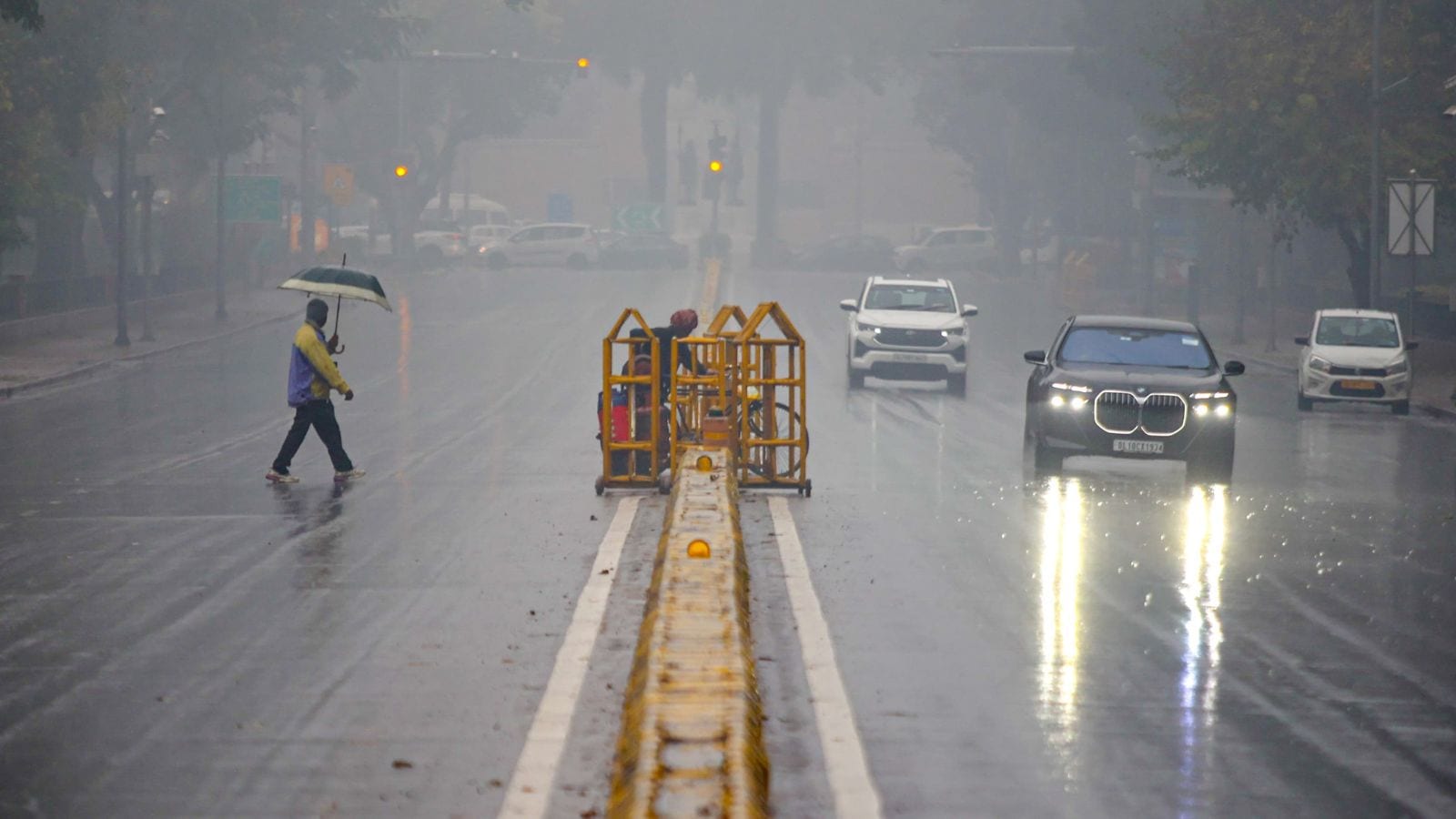
What happened: Delhi recorded its coldest morning of the season at 4.6°C after light rain in several areas.
• Why it matters now: The IMD has underlined likely cold wave conditions in the coming days across north and northwest India.
• What changes for people: Lower temperatures mean higher heating demand, increased health vulnerability, and possible disruptions for early commuters.
• Who is affected: Residents of Delhi-NCR, vulnerable groups such as children, elderly, and outdoor workers.
Delhi recorded its coldest morning of this winter on Friday, as the minimum temperature dipped to 4.6 degrees Celsius, coupled with trace rainfall in parts of the city. The combination of moisture and cold air tightened the grip of winter across Delhi-NCR, raising public health and mobility concerns.
Safdarjung logs season’s lowest minimum
Data shared by the India Meteorological Department (IMD) showed the main observatory at Safdarjung clocking 4.6°C, which is 2.3°C below the seasonal average.
Other observatories also reported below-normal temperatures, including:
• Palam: 5.0°C, 1.5°C below normal
• Lodhi Road: 5.2°C, 0.8°C below normal
• Ridge: 5.4°C, 1.2°C below normal
• Ayanagar: 4.8°C, 1.2°C below normal
Officials confirmed that Ayanagar was the coldest location among the reporting stations.
Rainfall recorded at multiple stations
Light rain improved air moisture but intensified the morning chill.
According to the Regional Weather Forecasting Centre, rainfall in the past 24 hours included:
• Safdarjung: Trace
• Lodhi Road: Trace
• Ayanagar: 0.8 mm
No rainfall was recorded at Palam and Ridge.
Forecast models indicate drizzle across areas including Akshardham, Lodhi Road, Nehru Stadium, R K Puram, Defence Colony, Lajpat Nagar, Tughlakabad, IGNOU, Ayanagar and Deramandi.
IMD highlights prolonged cold spell risk
The IMD, in its All India Weather Summary and Forecast Bulletin, has underlined the likelihood of cold wave conditions across parts of north and northwest India, including Delhi-NCR, in the coming days.
An IMD official noted that while Friday was chilly, there is no immediate threat of severe cold wave conditions. The maximum temperature today is expected to hover around 17°C.
How today compares with recent lows
Delhi has seen a sharp temperature descent since early January:
• January 9: Safdarjung recorded 5.8°C (third coldest of season)
• December 4-5: 5.6°C (second lowest)
• December 1: 5.7°C
The city also logged its first cold day on January 6, with maximum temperature at 15.7°C (3.3°C below normal) and minimum at 7.6°C.
Cold day conditions continued on January 8, when the maximum touched 16.7°C and the minimum 8.6°C.
What counts as a cold day or cold wave
According to the IMD:
• A cold day is declared when the minimum temperature is below 10°C and the maximum temperature dips 4.5°C to 6.4°C below normal.
• A cold wave is declared when the minimum temperature falls 4.5°C to 6.4°C below normal.
Why this matters for residents
Such weather events affect:
• Public health: Higher risk of respiratory and cardiac stress among vulnerable groups
• Energy consumption: Higher load on heating and power systems
• Transport: Fog and low visibility may affect roads and aviation
• Daily routines: Outdoor workers and early commuters face tougher conditions
Medical experts advise layered clothing, warm beverages, and avoiding early morning exposure for children, elderly, and those with chronic illnesses.