
Delhi Reels Under Light Rain, Temperature Soars Above Average | द क्लिफ न्यूज़
Delhi experienced light rain, providing respite from high temperatures.
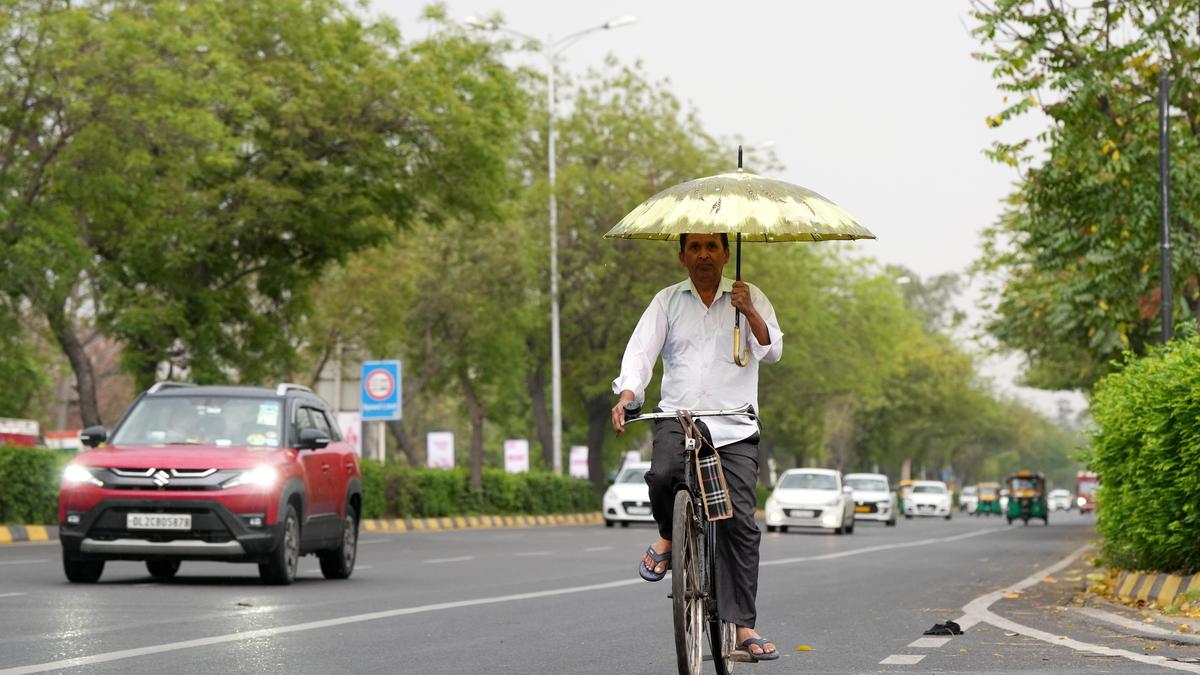
Top Summary
- What happened: Delhi and NCR areas received light rain and thunderstorms on Sunday morning.
- Why it matters: The rainfall brought relief from the recent spell of high temperatures and dry conditions.
- What changes for people: Residents experienced improved weather conditions and a temporary decrease in temperature.
- Who is affected: Residents of Delhi and the NCR region experienced the change in weather.
Delhi Wakes Up to Rainfall
Delhi woke up to light rain and thunderstorms in several parts of the city and NCR on Sunday, March 15, 2026. This brought a welcome respite from the recent heat.
Areas like Rafi Marg, Parliament Street, Chirag Delhi, Man Singh Road, Patparganj and Peeragarhi, along with parts of the NCR, experienced rainfall during the morning.
Temperature and Rainfall Details
The India Meteorological Department (IMD) reported that 5 mm of rainfall was recorded until 8:30 a.m.
According to the IMD, the minimum temperature was recorded at 20.2° Celsius, which is 5.1 notches above the season's average.
The maximum temperature is expected to settle around 28° Celsius.
Weather Alert and Air Quality
The weather department issued a yellow alert for the day, predicting very light to light rainfall accompanied by thunderstorms and gusty winds with speeds of 30 to 40 kmph.
The air quality was in the 'moderate' category at 9 a.m., with an Air Quality Index (AQI) reading of 190, according to the Central Pollution Control Board (CPCB) data.
According to the CPCB, an AQI between zero and 50 is considered 'good', 51 to 100 'satisfactory', 101 to 200 'moderate', 201 to 300 'poor', 301 to 400 'very poor', and 401 to 500 'severe'.
What to Watch Next
Monitor further weather updates from the IMD for potential changes in rainfall intensity and wind speeds. Track the air quality index as weather conditions evolve and influence pollutant levels.