
Delhi Government Launches Cloud-Seeding Trial to Combat Air Pollution
Delhi: The Delhi regional government has initiated a cloud-seeding experiment in an effort to induce artificial rain and mitigate air pollution in one of the...
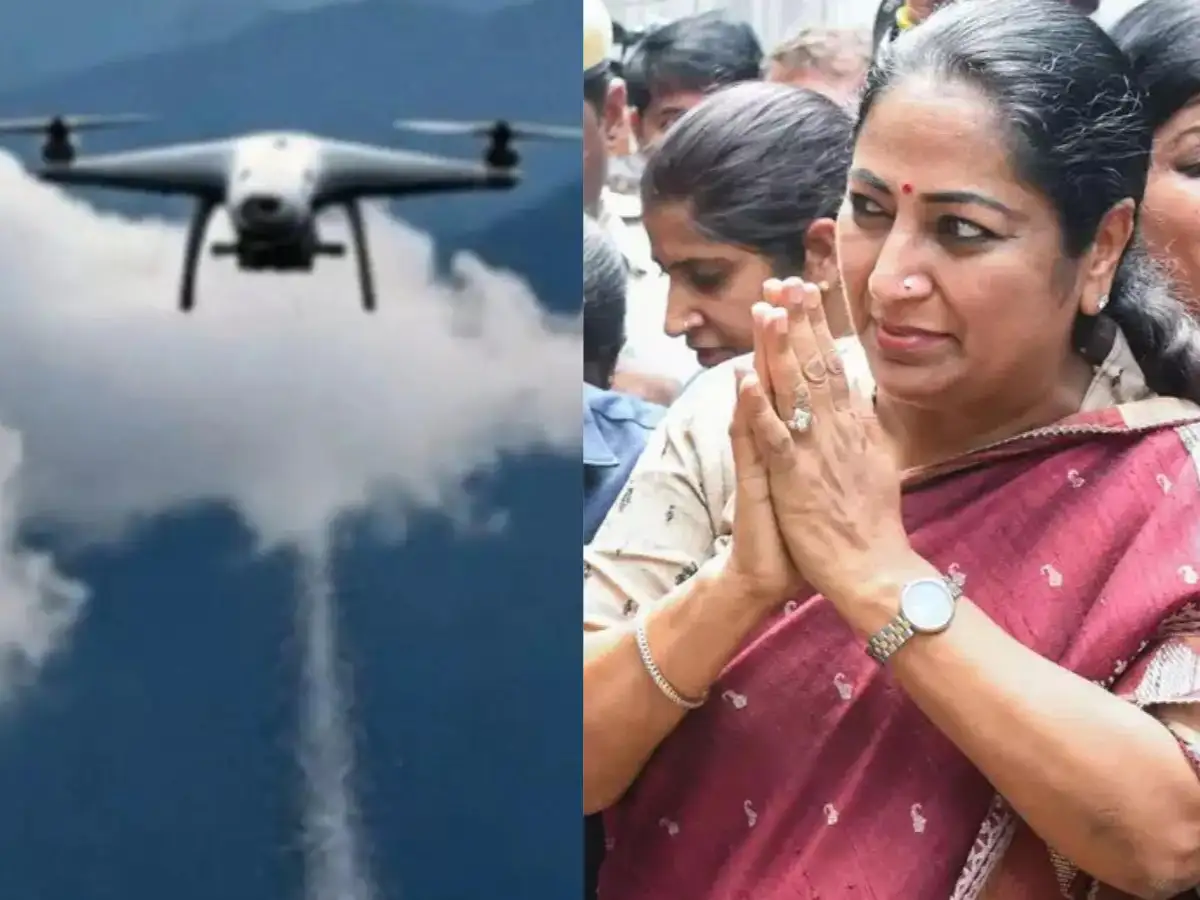
Delhi: The Delhi regional government has initiated a cloud-seeding experiment in an effort to induce artificial rain and mitigate air pollution in one of the world’s most polluted cities.
The Bharatiya Janata Party (BJP), which assumed office earlier this year, had been advocating cloud seeding as a potential tool to improve Delhi’s air quality. The technique involves dispersing silver iodide particles into clouds using aircraft or drones. These particles act as nuclei for water droplets, potentially increasing the likelihood of rainfall.
After months of unpredictable weather delayed the initiative, the government resumed the project following a spike in pollution levels post-Diwali. On Thursday, the first trial flight was conducted, with seeding flares released into the sky. Delhi’s Chief Minister Rekha Gupta stated,
“If conditions remain favourable, Delhi will experience its first artificial rain on October 29.”
Experts Caution Against Overreliance
While cloud seeding can theoretically enhance rainfall, experts caution that it is not a comprehensive solution. The process depends on the presence of clouds and may produce only modest increases in precipitation. Moreover, it does not address the root causes of pollution, such as vehicle emissions, industrial activity, and crop burning.
Professors Shahzad Gani and Krishna AchutaRao of Delhi’s Centre for Atmospheric Sciences criticized the plan as a “gimmick” in The Hindu, comparing it to the smog towers erected by a previous government, which were largely ineffective despite their high cost. They also raised concerns about the long-term effects of repeated use of silver iodide and sodium chloride on agriculture and human health, calling such approaches “snake-oil solutions.”
Delhi’s Pollution Challenge
Delhi has consistently ranked as the world’s most polluted city for over a decade. In 2024, air quality worsened by 6%, driven by a combination of crop-burning emissions, industrial pollution, and heavy traffic, which become trapped in the city’s winter inversion layer. During peak winter months, PM2.5 and PM10 levels often exceed even those seen during Beijing’s 2013 “airpocalypse.”
While cloud seeding may offer temporary relief, experts emphasize the need for systemic pollution control measures, including stricter emissions standards, cleaner fuels, and sustainable urban planning.