
Delhi Chokes Under Severe Smog as Air Quality Plunges, Transport Hit Hard
A thick blanket of toxic smog continued to suffocate Delhi and its surrounding regions on Monday morning, pushing air pollution to dangerous levels and severely...
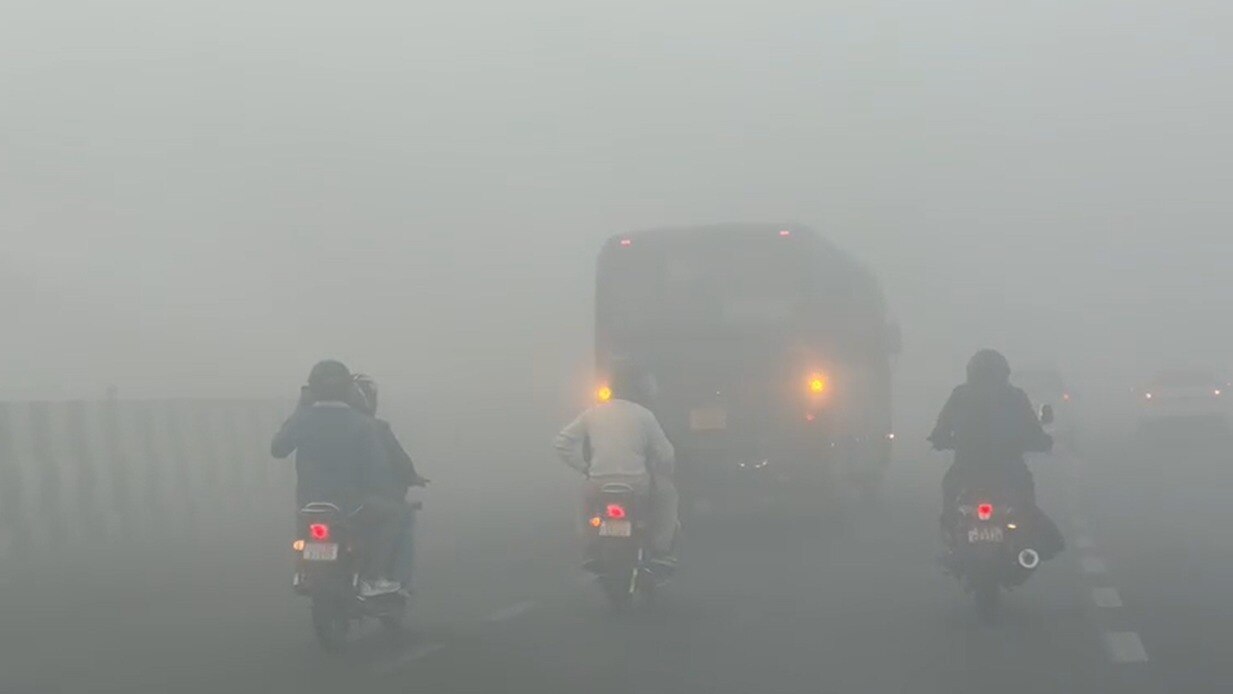
A thick blanket of toxic smog continued to suffocate Delhi and its surrounding regions on Monday morning, pushing air pollution to dangerous levels and severely disrupting air and rail traffic. According to official data from the Central Pollution Control Board (CPCB), the city’s Air Quality Index (AQI) stood at 456 at 6 am—placing it firmly in the ‘severe’ category and marking the second-worst pollution reading of the current winter season.
Visibility Collapses Across the Capital
Low visibility caused by dense smog was reported across several parts of the capital. CPCB monitoring stations showed alarming pollution levels, with Akshardham recording an AQI close to the upper limit of the index, while key traffic corridors such as the Barapulla flyover and Barakhamba Road also remained deep in the ‘severe’ zone.
The India Meteorological Department (IMD) issued an ‘orange’ alert for dense smog, warning that unfavourable weather conditions—such as low wind speed and high moisture—were trapping pollutants close to the ground.
Flights Cancelled, Trains Delayed
The deteriorating air quality had a direct impact on transport operations. Data from flight tracking platforms indicated that around 100 flights were cancelled at Delhi’s Indira Gandhi International Airport, while more than 300 services faced delays due to poor visibility.
In an advisory issued early Monday, Delhi Airport authorities cautioned passengers about potential disruptions and urged them to check flight status with airlines before heading to the terminal. Airlines including IndiGo and Air India echoed the warning, stating that safety protocols may require proactive cancellations and delays as visibility remained critically low.
Rail services were also affected. Railway officials confirmed that over 90 trains were running behind schedule by several hours, as fog-like smog conditions slowed operations across northern routes.
Emergency Pollution Curbs in Force
In response to the sharp spike in pollution, the Commission for Air Quality Management (CAQM) activated Stage IV of the Graded Response Action Plan (GRAP) over the weekend. This is the strictest level of emergency curbs and is typically imposed when AQI breaches the ‘severe-plus’ threshold.
Measures include a complete halt on construction and demolition activities across Delhi-NCR, restrictions on polluting vehicles, and enhanced enforcement against industrial emissions. The Delhi government has also directed offices—both public and private—to allow 50% of staff to work from home to reduce traffic-related emissions.
Educational institutions have been asked to switch to hybrid learning modes for most classes, limiting physical attendance to reduce outdoor exposure for children.
Why This Matters
Delhi’s recurring winter pollution crisis highlights the city’s vulnerability to a mix of local emissions, regional crop residue burning, vehicular exhaust, and adverse meteorological conditions. Public health experts warn that prolonged exposure to ‘severe’ AQI levels can significantly raise the risk of respiratory and cardiovascular illnesses, particularly among children, the elderly, and those with pre-existing conditions.
Environmental analysts say repeated emergency measures, while necessary, underscore the need for long-term structural reforms—ranging from cleaner transport systems to stricter industrial controls and coordinated regional action.
What Officials and Experts Say
Authorities maintain that emergency steps are aimed at preventing the situation from worsening further, while aviation and railway officials stress that operational decisions are being taken with passenger safety as the top priority. Air quality specialists, meanwhile, caution that without sustained improvements in emissions management, such episodes are likely to recur each winter.