
Delhi Air Quality Remains ‘Poor’; Pollution From Vehicles, Crop Burning Still Major Concern
The national capital continued to struggle with deteriorating air quality on Sunday morning, with the Air Quality Index (AQI) around ITO recorded at 284, placing...
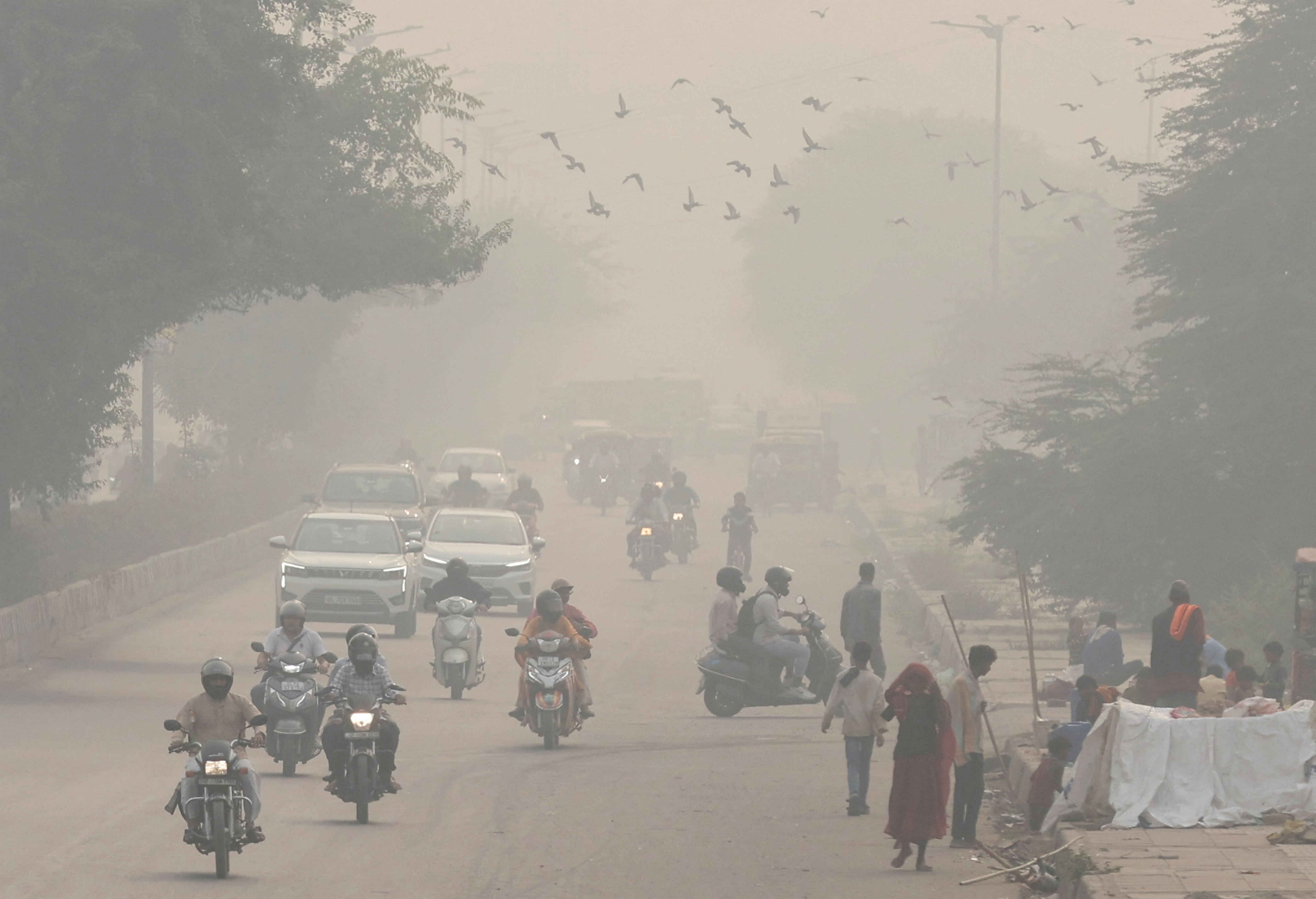
The national capital continued to struggle with deteriorating air quality on Sunday morning, with the Air Quality Index (AQI) around ITO recorded at 284, placing it in the ‘Poor’ category, according to the Central Pollution Control Board (CPCB).
CPCB classifies air quality on the following scale:
-
0–50: Good
-
51–100: Satisfactory
-
101–200: Moderate
-
201–300: Poor
-
301–400: Very Poor
-
401–500: Severe
Weather Outlook: The India Meteorological Department (IMD) predicts a clear sky for Sunday, with maximum temperatures around 33°C and minimum at 19°C, offering little respite from pollution levels.
Citizens Feel the Impact
Aryan Gupta, a local cyclist, highlighted the daily health challenges posed by air pollution.
“Just like every year, pollution in Delhi persists. It causes difficulty in breathing, especially for cyclists like me. I cycled 20 km from Rohini today, and having sinus issues makes it even harder. There’s also eye irritation. Closing schools and colleges is only a temporary solution,” he told ANI.
Firecrackers Not the Main Culprit
While the upcoming Diwali festival and firecracker use do contribute to declining air quality, experts say they are not the principal cause. Major contributors include crop residue burning in Punjab, vehicle emissions, and pollution drifting from neighbouring states such as Uttar Pradesh, Haryana, Rajasthan, and Punjab.
“Delhi, being landlocked, accumulates pollution from surrounding states. Smoke towers and artificial rain could help, but the primary drivers remain vehicle emissions and crop burning, not firecrackers,” an environmental expert noted.
Takeaway
As the festive season approaches, authorities and citizens face a dual challenge: managing festival-related pollution while addressing systemic contributors such as traffic emissions and agricultural residue burning. With air quality remaining in the ‘Poor’ range, health advisories for sensitive groups, including children, the elderly, and people with respiratory issues, remain crucial.