
Delhi Air Quality Deteriorates to “Very Poor” Levels Amid GRAP Stage 1 Activation
Delhi’s air pollution escalated sharply on Wednesday, with several monitoring stations recording “very poor” Air Quality Index (AQI) readings, signaling a serious public health concern...
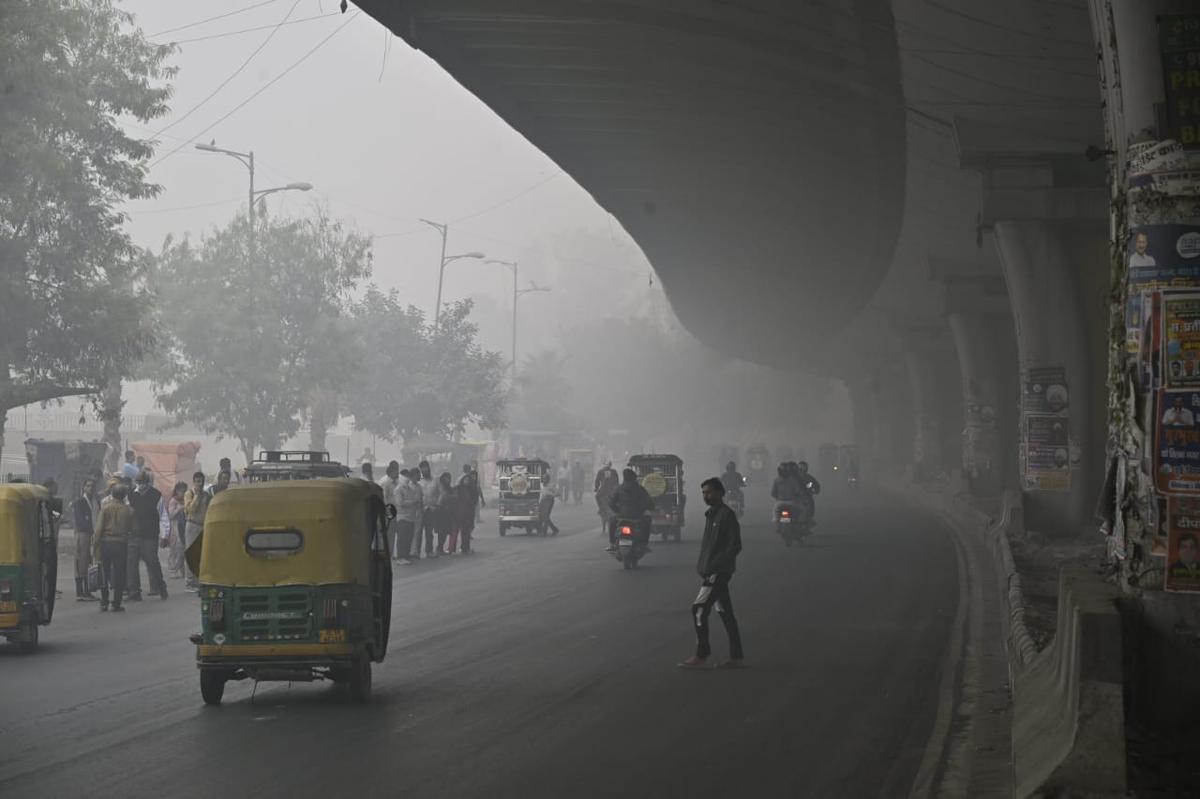
Delhi’s air pollution escalated sharply on Wednesday, with several monitoring stations recording “very poor” Air Quality Index (AQI) readings, signaling a serious public health concern just a day after the city’s overall AQI was reported at 211, according to Central Pollution Control Board (CPCB) data cited by PTI.
Hotspots of Severe Pollution
Data from Delhi’s 38 active monitoring stations revealed Anand Vihar as the most polluted, with an AQI of 345, followed by Wazirpur (325), Dwarka Sector 8 (314), DU North Campus (307), and CRRI Mathura Road (307). Twenty stations recorded AQI in the “poor” category, while 13 remained in the “moderate” range.
The CPCB classifies air quality as follows:
-
0–50: Good
-
51–100: Satisfactory
-
101–200: Moderate
-
201–300: Poor
-
301–400: Very Poor
-
401–500: Severe
Health experts warn that prolonged exposure to “very poor” air can aggravate respiratory and cardiovascular conditions, particularly among vulnerable groups such as children, the elderly, and those with pre-existing illnesses.
GRAP Stage 1 Measures Activated
The surge in pollution coincides with the implementation of Stage 1 of the Graded Response Action Plan (GRAP) across Delhi-NCR on Tuesday, issued by the Commission for Air Quality Management (CAQM). Stage 1 is triggered when AQI levels range from 201–300, signaling deteriorating air conditions that require immediate intervention.
Under GRAP Stage 1, 27 preventive measures are enforced, including:
-
Deployment of anti-smog guns
-
Water sprinkling across roads
-
Dust suppression at construction, repair, and maintenance sites
“The Sub-Committee reviewed the air quality scenario and forecasted that Delhi’s AQI will continue in the ‘poor’ category in the coming days,” CAQM stated, emphasizing that all agencies must implement Stage 1 measures immediately across NCR.
Implications for Residents and Authorities
The worsening air quality poses significant challenges for daily life, including increased health risks, reduced outdoor activity, and strain on healthcare services. Authorities urge residents to limit outdoor exposure, wear masks, and use air purifiers, while schools and offices may need to consider flexible schedules during peak pollution hours.
Experts stress that sustained action on emissions from vehicles, industrial activity, and construction is essential to prevent recurring spikes in pollution. Delhi’s ongoing pollution woes highlight the urgent need for long-term environmental reforms alongside immediate mitigation measures like GRAP.