
Deepavali earns UNESCO Intangible Cultural Heritage status, marking a global recognition of India’s festival of lights
Deepavali, celebrated by millions as India’s iconic festival of lights, has been added to UNESCO’s Representative List of the Intangible Cultural Heritage of Humanity. The...
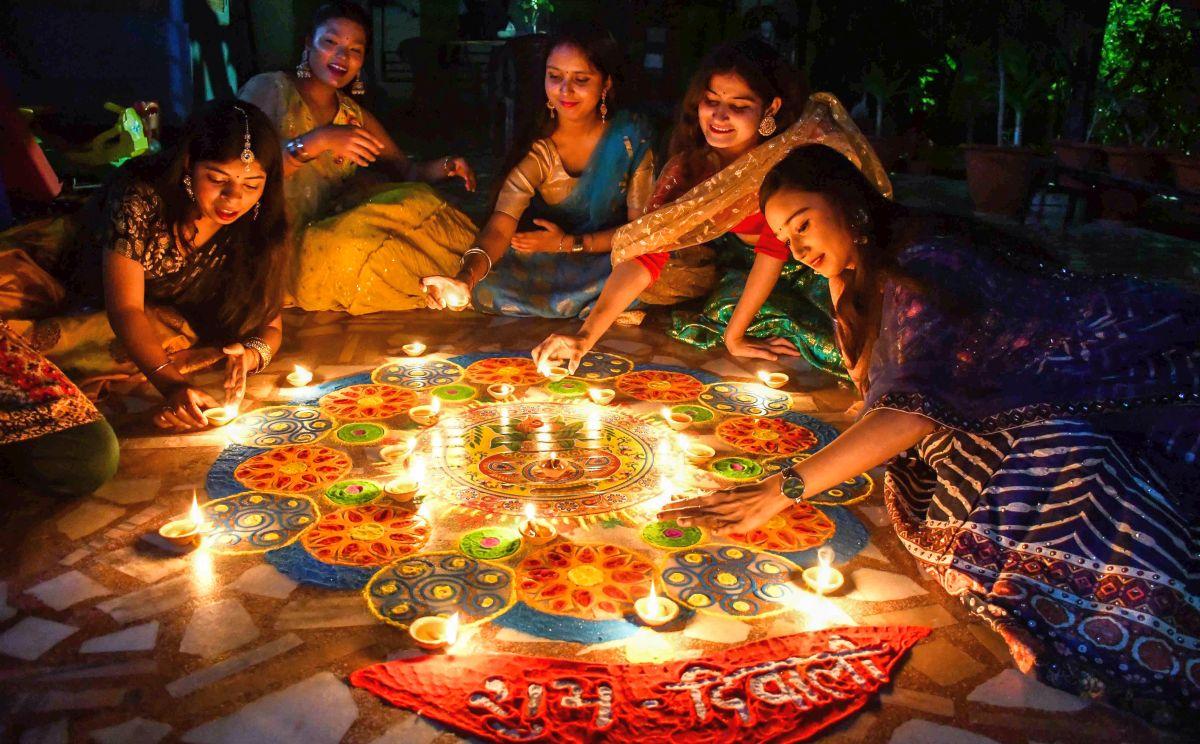
Deepavali, celebrated by millions as India’s iconic festival of lights, has been added to UNESCO’s Representative List of the Intangible Cultural Heritage of Humanity. The inscription was formally adopted on Wednesday during the 20th session of UNESCO’s Intergovernmental Committee, at a ceremony held at Delhi’s Red Fort in the presence of Union Culture Minister Gajendra Singh Shekhawat, officials, international experts, and delegates from 194 member states.
The global acknowledgment recognises Deepavali as a living cultural tradition that nurtures social harmony, sustains traditional artisans, and reinforces values of generosity, renewal, and community well-being. UNESCO noted that the festival’s diverse practices—including lighting lamps, preparing festive sweets, exchanging greetings, decorating homes, and engaging in charitable acts—contribute meaningfully to several Sustainable Development Goals, from gender equality and cultural education to livelihood support and community welfare.
Prime Minister Narendra Modi hailed the recognition as a moment of joy for Indians and communities worldwide who celebrate the festival. He described Deepavali as “the soul of our civilisation” and said that UNESCO’s listing would amplify the festival’s universal message of light triumphing over darkness and righteousness over injustice.
A celebration shaped by millions
Addressing the gathering, Culture Minister Shekhawat said the inscription honours not only the festival itself but the countless people whose work keeps Deepavali vibrant each year. He highlighted the contributions of potters who handcraft earthen lamps, artisans who create festive décor, farmers, sweet-makers, priests, and families who uphold rituals passed down through generations.
He emphasised that Deepavali remains community-driven at its core—thriving through collective participation rather than institutional organisation. The UNESCO listing, he said, is therefore a tribute to those who sustain its spirit through everyday cultural labour.
A festival with global reach
The Minister also credited the Indian diaspora for helping Deepavali evolve into a global cultural event. From Southeast Asia and Africa to Europe, the Gulf, and the Caribbean, diaspora communities have carried its customs across continents, establishing it as one of the world’s most widely celebrated cultural festivals.
The UNESCO recognition, officials said, will further strengthen efforts to preserve related crafts, encourage cultural education, and promote inclusive celebrations worldwide.