
Dating in the Digital Age: Why Modern Love Feels Harder Than Ever, According to Neuroscience
By [The Cliff News] If dating today feels more draining than exciting, you’re not imagining it. From endless swiping to short attention spans and fear...
By [The Cliff News]
If dating today feels more draining than exciting, you’re not imagining it. From endless swiping to short attention spans and fear of missing out, modern romance is unfolding in a radically different environment than it did even a decade ago. A Mumbai-based neurologist now says neuroscience offers a clear explanation for why forming and sustaining relationships has become increasingly difficult in the digital era.
A Brain Under Pressure from Too Many Choices
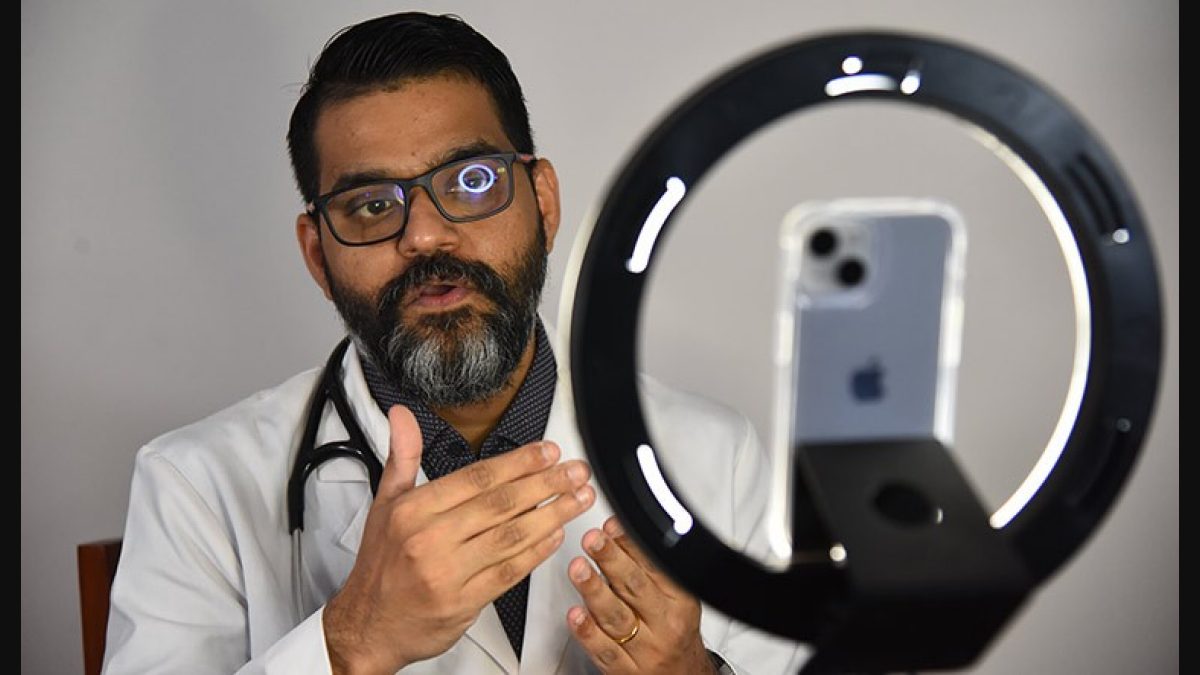
Dr Siddharth Warrier, a neurologist, TEDx speaker and mental health content creator, recently shared a neuroscience-driven explanation of modern dating challenges through a social media video posted in late December 2025. His central argument is simple but striking: today’s daters are subconsciously trying to solve two questions at the same time—whether the person they are seeing is right for them, and whether someone better might still be available.
According to Dr Warrier, earlier generations were largely focused on the first question alone. In contrast, dating apps and social media have introduced a constant comparison loop, making emotional certainty harder to achieve.
Time Scarcity and Shallow Connections
One of the biggest barriers to meaningful relationships today, experts say, is lack of time. Fast-paced work cultures, digital distractions and social overload leave little room for the slow discovery process that intimacy requires. Dr Warrier explains that understanding a partner’s values, habits and emotional patterns demands sustained attention—something many people struggle to offer consistently.
Relationship researchers have long argued that emotional bonding relies on repeated, uninterrupted interactions. Without them, connections remain surface-level, increasing dissatisfaction and turnover in romantic relationships.
The Choice Paradox of Dating Apps
While dating platforms promise better matches, psychologists warn that unlimited options can backfire. The constant availability of alternatives reinforces doubt and discourages commitment. Dr Warrier notes that for the brain to settle into a relationship, it must stop scanning for better possibilities—something dating apps are not designed to support.
This phenomenon aligns with behavioural science research on the “paradox of choice,” which shows that too many options often lead to anxiety, indecision and regret rather than satisfaction.
Dopamine, Novelty and Emotional Fatigue
From a neurological standpoint, early-stage romance triggers dopamine spikes similar to those caused by addictive substances, Dr Warrier explains. However, as novelty fades, the brain seeks new stimulation. In a digital dating ecosystem built on constant novelty, this makes long-term commitment feel less rewarding and more effort-intensive.
He compares lasting relationships to physical training rather than instant gratification: progress comes only through consistency and effort over time, not repeated bursts of excitement.