
Could Cheese Protect the Brain? Long-Term Study Links High-Fat Dairy to Lower Dementia Risk
Cheese has long divided nutrition experts—praised for its calcium and protein, but criticised for its saturated fat and salt. Now, a major long-term study suggests...
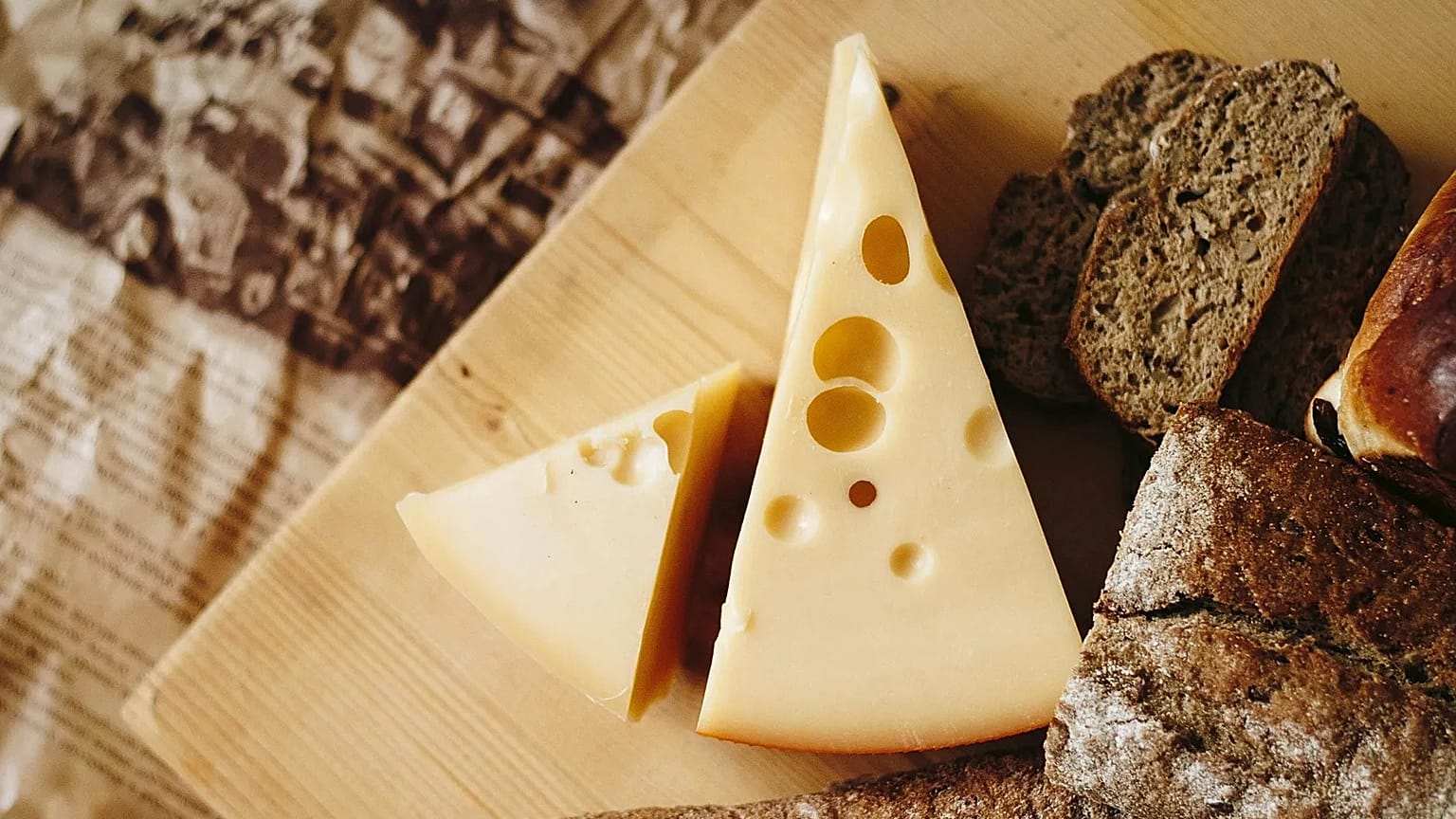
Cheese has long divided nutrition experts—praised for its calcium and protein, but criticised for its saturated fat and salt. Now, a major long-term study suggests it may deserve a fresh look. Research published in the medical journal Neurology indicates that regular consumption of high-fat cheese and cream over many years is associated with a lower risk of developing dementia in older age—though scientists stress this is not a green light for unlimited indulgence.
Inside the Study: What Researchers Found
The study, led by scientists at Lund University in Sweden, followed nearly 27,700 adults for about 25 years. Participants were, on average, 58 years old at the start and regularly reported their dietary habits, including different types of dairy intake. Researchers then tracked who developed dementia over time.
Key findings included:
-
People who consumed 50 grams or more of high-fat cheese daily (roughly two slices of cheddar, Gouda, or Brie) had a 13% lower risk of dementia compared to those who ate very little.
-
The association was even stronger for vascular dementia, where high cheese intake was linked to a 29% lower risk.
-
Participants consuming 20 grams or more of high-fat cream per day showed a 16% lower dementia risk than non-consumers.
Notably, cheeses included in the analysis had more than 20% fat content.
What Didn’t Make a Difference
The protective association was not observed with:
-
Low-fat cheese or cream
-
Milk (including full-fat milk)
-
Butter
-
Fermented dairy products such as yogurt and kefir
Researchers also noted that the reduced risk of Alzheimer’s disease linked to high-fat cheese was primarily seen in individuals without the APOE ε4 gene variant, a well-established genetic risk factor for Alzheimer’s.
Why Might Cheese and Cream Be Linked to Brain Health?
Scientists caution that the exact mechanism is unclear, but several hypotheses exist. Cheese contains high-quality protein, calcium, vitamin K2, and B vitamins, all important for metabolic and neurological health. The fermentation process may also produce compounds that reduce inflammation and support blood vessel function—both critical for maintaining brain health.
Another possibility is lifestyle-related: people who regularly consume whole-food cheeses may also follow overall healthier dietary patterns, which independently lower dementia risk.
Important Caveats from Experts
Despite the eye-catching findings, researchers emphasise a crucial point: this is an observational study, meaning it shows correlation, not causation. Eating cheese alone cannot be said to prevent dementia.
Experts point out that dementia risk is influenced by many factors, including:
-
Physical activity
-
Smoking and alcohol use
-
Blood pressure, diabetes, and cholesterol
-
Sleep quality and social engagement
Dietary habits also change over decades, which adds uncertainty to long-term nutrition studies.
What Should People Take Away?
Health specialists say the findings should be viewed as reassuring, not prescriptive. Enjoying whole-fat cheese in moderation appears reasonable, particularly as part of a balanced diet. However, no single food acts as a “brain shield.”
Current evidence still strongly supports broader dietary patterns—such as the Mediterranean and MIND diets—which emphasise fruits, vegetables, whole grains, nuts, fish, and healthy fats, while keeping high-fat dairy as an occasional component rather than a staple.
The Bigger Picture
As populations age worldwide, dementia prevention has become a public health priority. Studies like this help refine understanding of how long-term diet influences brain health, but experts agree that lifestyle as a whole matters far more than any single ingredient.