
Congress Slams PM Modi’s Israel Parliament Speech, Says It “Diminishes India’s Moral Standing”
The Congress on Thursday (February 26, 2026) described Prime Minister Narendra Modi's address to the Israeli Parliament as an "unabashed defence of his host" premier Benjamin Netanyahu and...
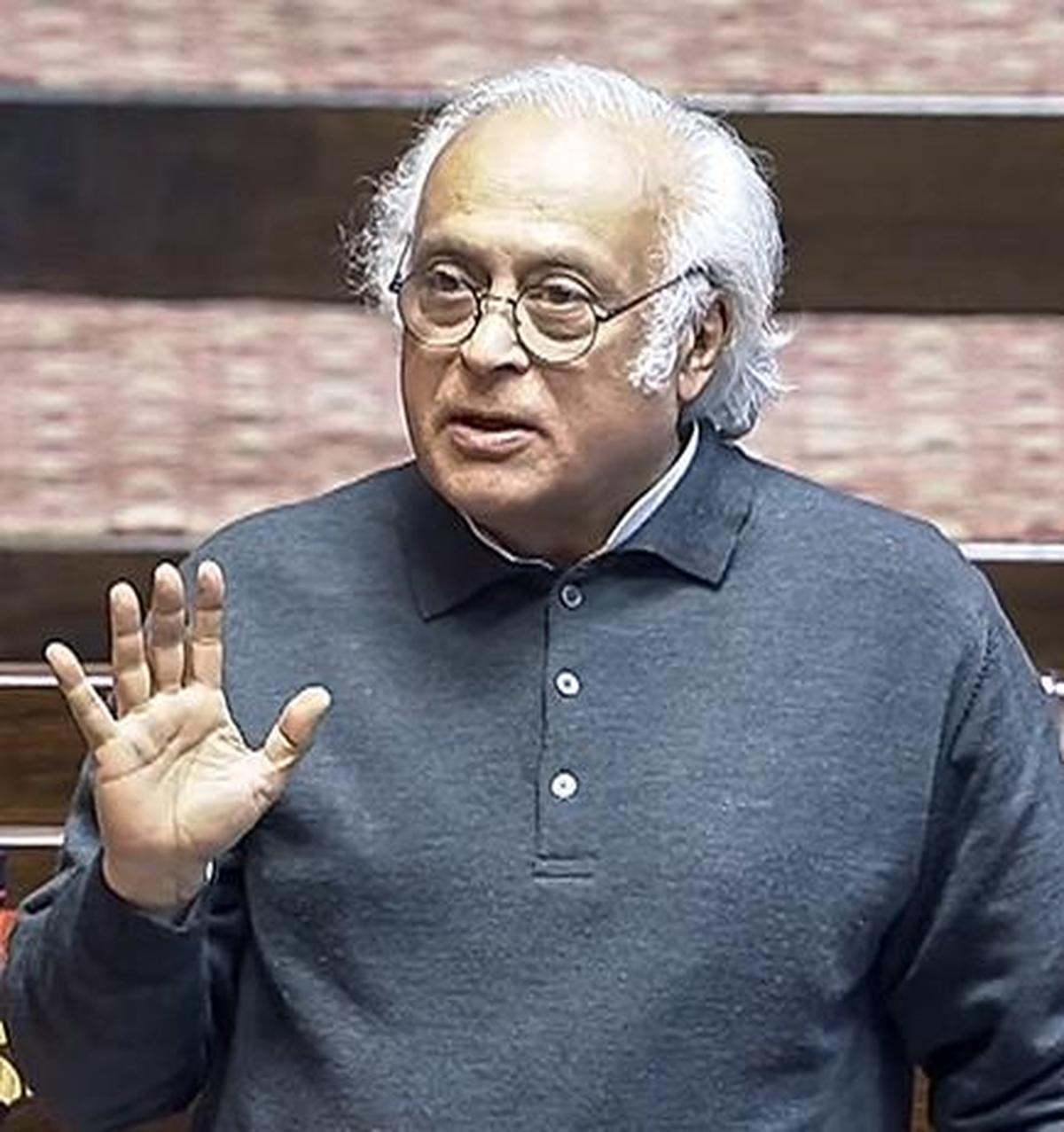
Opposition questions India’s stance after Modi backs Israel in Knesset
Jairam Ramesh cites Nehru–Einstein letters to contrast foreign policy approach
Israel’s Eitay Mack also criticises the speech, fueling political debate
What happened:
-
The Congress criticised Prime Minister Narendra Modi’s speech to the Israeli Parliament (Knesset), calling it an unconditional defence of Israeli PM Benjamin Netanyahu.
-
Modi endorsed the Gaza Peace Initiative and expressed strong solidarity with Israel.
-
Congress leader Jairam Ramesh invoked historical letters between Jawaharlal Nehru and Albert Einstein to contrast approaches to the Israel–Palestine issue.
-
Israeli human-rights lawyer Eitay Mack also criticised Modi’s speech.
Why it matters now:
-
India’s foreign policy stance on Israel–Palestine is under fresh scrutiny.
-
Opposition says Modi’s remarks undermine India’s past position as a balanced, moral voice in global conflict zones.
-
The speech comes amid heightened international concerns over Gaza and regional security.
What changes for people:
-
India’s diplomatic posture may shift more firmly toward Israel.
-
Future positions at the UN and global forums could reflect this change.
-
Political debate within India over foreign policy transparency and neutrality may intensify.
Who is affected:
-
India’s foreign policy establishment
-
Diplomatic relations with Israel and Arab nations
-
Indian citizens in West Asia
-
Political parties ahead of national debates
Congress Launches Sharp Attack Over Knesset Address
A major political confrontation erupted after Prime Minister Narendra Modi addressed Israel’s Knesset on February 25, 2026. Modi called the Gaza Peace Initiative a genuine path toward “just and durable peace” and reaffirmed India’s support for Israel, saying “nothing can justify terrorism.”
He conveyed condolences for the lives lost in the October 7, 2023 Hamas attack, stressing that terrorism anywhere threatens global peace.
The Congress responded strongly, accusing the Prime Minister of abandoning India’s traditional position as a balanced mediator between Palestine and Israel.
Jairam Ramesh Cites Nehru’s Letters to Einstein
Congress leader Jairam Ramesh argued that Modi’s speech amounted to “an unabashed defence” of Netanyahu and ignored India’s historical diplomatic philosophy.
To reinforce his point, Ramesh shared segments of letters exchanged between Jawaharlal Nehru and Albert Einstein in 1947 regarding the creation of Israel.
In the 1947 letter, Nehru acknowledged the achievements of Jewish settlers but questioned why goodwill with Arabs had not been achieved, cautioning that neither side alone was free of fault.
Nehru also highlighted that British rule in Palestine had worsened tensions and stressed the need for a solution acceptable to both sides, not one imposed by force.
Ramesh used this historical context to argue that Modi’s speech ignored nuance and reduced India’s moral standing on global conflict issues.
Criticism From Within Israel
Adding weight to the Congress’ argument, Ramesh cited comments by Eitay Mack, a well-known Israeli human rights lawyer and activist.
Mack reportedly criticised Modi’s speech as lacking balance and failing to acknowledge the humanitarian impact of the Gaza conflict.
Ramesh said Mack’s remarks “exposed the sham” behind the celebratory coverage of the speech in what he termed “godi media”.
A Debate on India’s Diplomatic Identity
The Congress claims Modi’s position marks a departure from India’s decades-long diplomatic framework, which traditionally supported a two-state solution and maintained strong ties with both Arab nations and Israel.
Supporters of the government argue that Modi’s stance reflects India’s modern strategic priorities — counterterrorism, defence cooperation, and alignment with global partners.
The Opposition, however, insists that moral consistency must remain a cornerstone of India’s foreign policy.
Foreign Policy Implications
The speech — delivered at a sensitive time for the Middle East — could affect:
-
India’s relations with Arab nations
-
Negotiations on energy, labour and security cooperation
-
Future voting alignments at the United Nations
-
The perception of India as a neutral power in global diplomacy
With millions of Indians working in West Asia, the region's stability and India’s diplomatic posture remain tightly linked.
The Bottom Line
Prime Minister Modi’s supportive tone toward Israel in the Knesset has triggered a major political debate at home. While the government stresses counterterrorism solidarity, the Opposition accuses it of eroding India’s moral and diplomatic legacy.
The clash reflects deeper disagreements over how India should position itself in a polarised global order.
What to watch next
-
Official government response to Congress’ criticism
-
Statements from Israel and Arab nations on India’s remarks
-
Parliamentary debate on India’s evolving Middle East policy
-
International reaction to the Gaza Peace Initiative references