
Congress Questions US Role in India's Foreign Policy After Rubio's Statement
Congress raises concerns about US influence on India's foreign policy decisions.
Top Summary
- What happened: Congress leader Jairam Ramesh questioned the U.S.'s influence on India's foreign policy after Marco Rubio announced the Venezuelan President's visit to India.
- Why it matters: The statement raises concerns about the autonomy of India's foreign policy decisions and potential external influence.
- What changes for people: Could lead to shifts in India's international relations and diplomatic strategies.
- Who is affected: The Indian government, foreign policy decision-makers, and potentially citizens through altered international relations.
Congress Raises Concerns
The Congress party has voiced concerns regarding potential U.S. influence over India's foreign policy decisions.
This follows a statement by U.S. Secretary of State Marco Rubio about the Venezuelan President's upcoming visit to India.
Jairam Ramesh's Statement
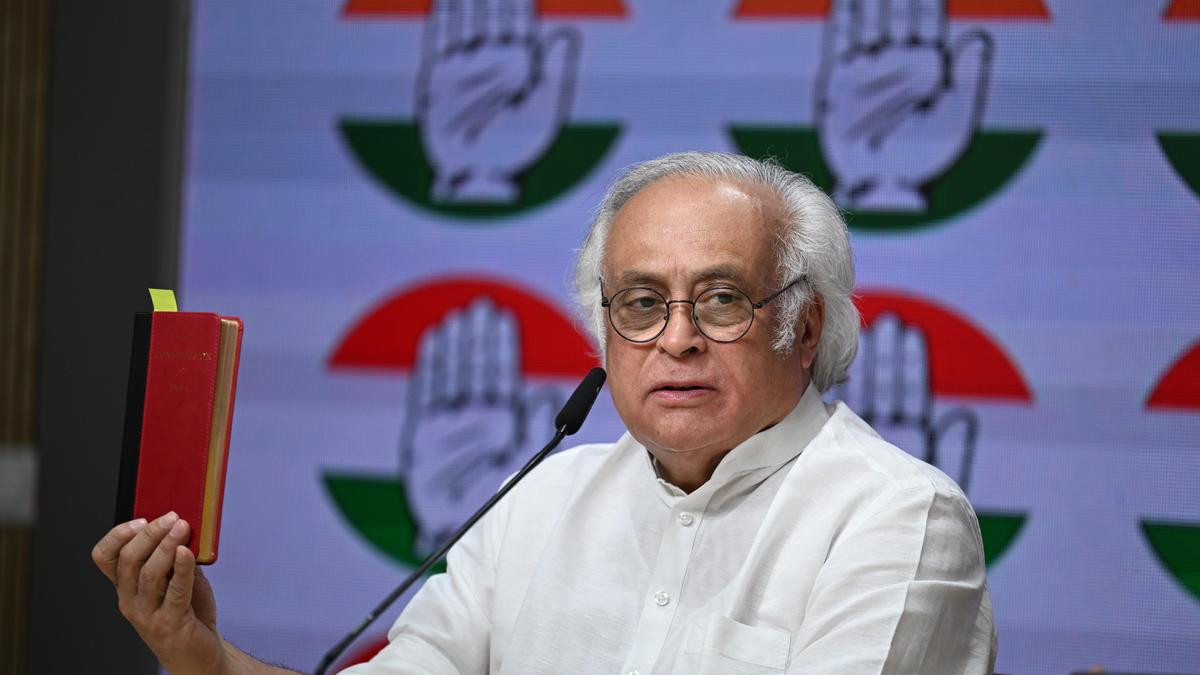
Congress general secretary Jairam Ramesh posted a video on X highlighting Mr. Rubio's remarks in Miami.
The video referenced Rubio's visit to India for the Quad meeting and the announcement of the Venezuelan President's visit. The post was made on Friday, May 22, 2026.
"What else does U.S. have in store for India’s foreign policy?"
Questions of Autonomy
The Congress is questioning the Centre about the extent of U.S. involvement in shaping India's diplomatic engagements.
The party is seeking clarity on whether India's foreign policy decisions are being influenced by external actors. This could potentially affect India's sovereignty in international relations.
What to Watch Next
The Indian government's response to these concerns will be closely watched. Further statements from both the U.S. and Indian governments are anticipated to clarify the situation surrounding the Venezuelan President's visit and the broader implications for India's foreign policy.