
Clade 1 Mpox Detected in U.S. Wastewater: What You Need to Know
Health officials in Pierce County, Washington, have detected the Clade 1 strain of the mpox (monkeypox) virus in wastewater samples. This finding may indicate undiagnosed...
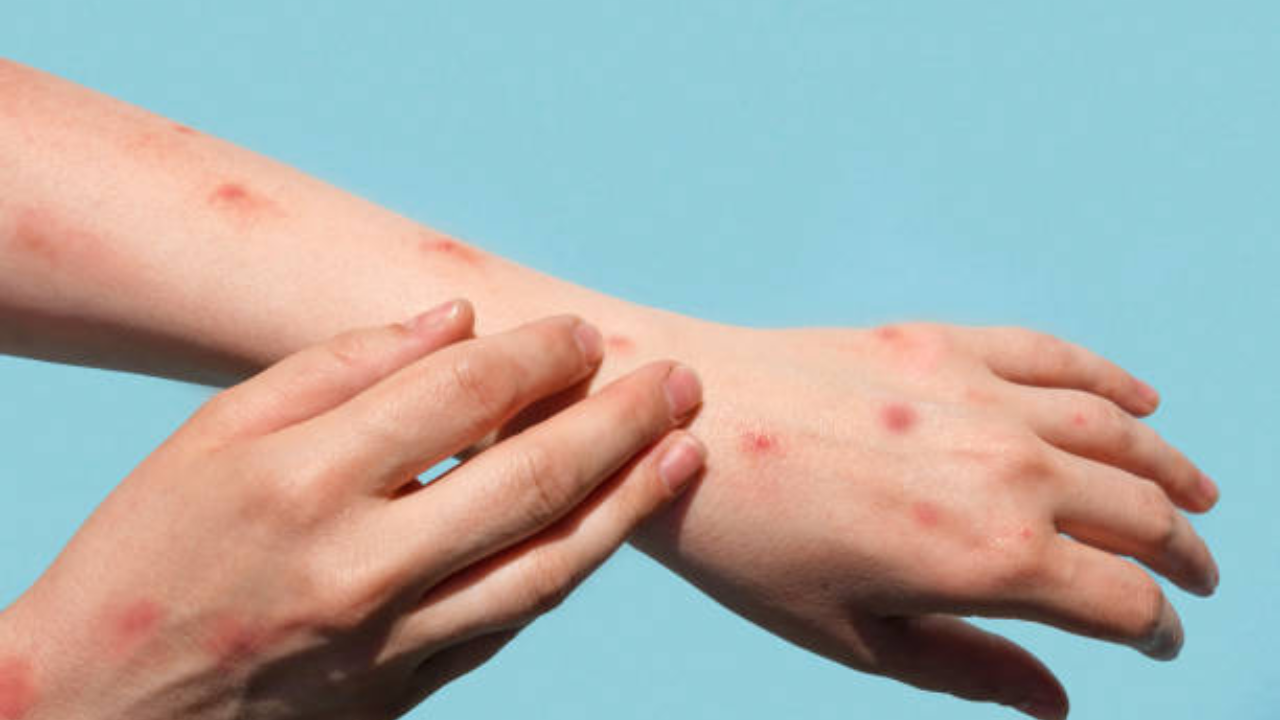
Health officials in Pierce County, Washington, have detected the Clade 1 strain of the mpox (monkeypox) virus in wastewater samples. This finding may indicate undiagnosed or unreported cases in the community. The Tacoma-Pierce County Health Department is collaborating with the CDC and state authorities to increase surveillance and testing.
What is Clade 1 Mpox?
-
Mpox is caused by the monkeypox virus, related to the smallpox virus.
-
There are two main clades:
-
Clade I – historically linked to more severe disease and higher transmissibility, particularly the Clade Ib subvariant.
-
Clade II – generally causes milder disease.
-
How It Spreads
-
Prolonged close contact, including skin-to-skin contact during sexual activity
-
Respiratory droplets
-
Contact with contaminated objects or materials
Symptoms
Symptoms usually appear 5–21 days after exposure:
-
Fever, chills, fatigue, muscle aches
-
Swollen lymph nodes
-
Headache
-
Rash that evolves into fluid-filled lesions
-
Severe complications can include pneumonia, encephalitis, and secondary bacterial infections
Diagnosis and Treatment
-
Confirmed through laboratory tests detecting viral DNA from lesions or other clinical specimens
-
No specific antiviral treatment, though supportive care can relieve symptoms
-
In some cases, antivirals like tecovirimat may be used
Prevention
-
Avoid close contact with symptomatic individuals
-
Practice good hygiene, including handwashing
-
Use PPE when caring for infected individuals
-
Vaccination with JYNNEOS, effective against both Clade I and II
What to Do If You Suspect Infection
-
Isolate to prevent transmission
-
Contact a healthcare provider for evaluation and testing
-
Follow local health department guidelines
Key Takeaway:
The wastewater detection is a signal for vigilance, not panic. The risk to the general public remains low, but staying informed, practicing hygiene, and getting vaccinated if eligible are important steps to protect yourself and the community.