
China’s nuclear missile scandal resurfaces: Water found in rockets linked to Xi Jinping’s sweeping military purge
What happened: Chinese investigators reportedly uncovered water instead of fuel inside several PLA Rocket Force nuclear missiles, triggering one of Xi Jinping’s biggest military purges....
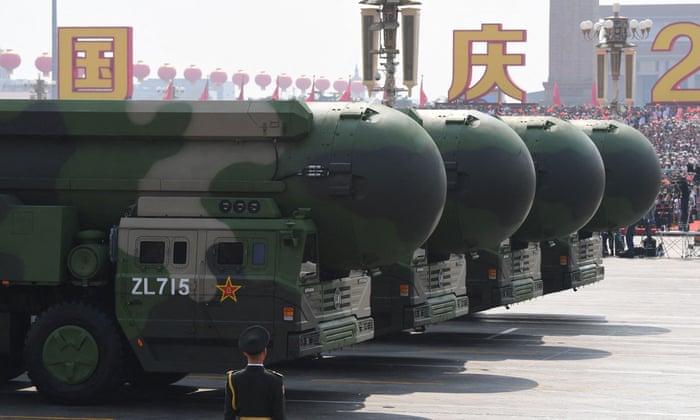
What happened: Chinese investigators reportedly uncovered water instead of fuel inside several PLA Rocket Force nuclear missiles, triggering one of Xi Jinping’s biggest military purges.
Why it matters now: The fall of top military leader Zhang Youxia is being linked to corruption, espionage and failures inside China’s elite missile command.
What changes for people: The revelations raise global concerns about China’s nuclear readiness, internal stability and the integrity of its strategic forces.
Who is affected: The PLA, China’s political leadership, defence analysts worldwide and countries monitoring Beijing’s nuclear posture.
A stunning failure inside China’s missile command
Reports circulating among intelligence sources and international defence analysts claim that inspections of the People’s Liberation Army Rocket Force (PLARF) uncovered a shocking breach of operational readiness:
some nuclear-capable missiles were found filled with water instead of fuel.
The discovery is believed to have triggered a series of high-level purges across 2023 and 2024, including the removal of the Rocket Force’s top commanders, procurement chiefs and senior officers responsible for missile maintenance.
The issue goes beyond routine corruption; it reflects a potentially catastrophic collapse of China’s elite nuclear deterrence chain.
Zhang Youxia’s downfall: Corruption, secrets and the Rocket Force purge
The dramatic fall of General Zhang Youxia, long considered one of Xi Jinping’s most trusted military leaders, is being linked to:
large-scale corruption within missile procurement
internal security failures
compromised operational readiness
alleged transfer of sensitive nuclear information to the United States
Analysts say Zhang’s removal may be tied directly to the same investigations that exposed the missile fuel scandal.
Beijing has not publicly confirmed details, but the timing of Zhang’s downfall aligns with the Rocket Force shake-up that followed internal audits.
How the water-in-missiles scandal unfolded
According to defence reports and Western intelligence assessments, internal inspections in 2023 revealed:
water tanks installed in place of fuel systems
fake quality certificates for missile components
corrupt procurement channels involving contractors
deliberate cover-ups of failures during readiness checks
The scandal suggested that portions of China’s nuclear arsenal may have been non-operational, raising major concerns inside the Communist Party about a false sense of military strength.
Xi Jinping’s purge: Restoring control or deeper panic?
President Xi has since removed:
the entire top leadership of the Rocket Force
senior officials in China’s defence procurement ecosystem
multiple aerospace and missile development executives
The purge is seen by experts as both a security response and a power consolidation move, signaling Xi’s alarm over internal loyalty and military reliability.
Some analysts believe the purge aims to ensure that China’s nuclear forces remain firmly under Xi’s personal control at a time of rising tensions with the United States and regional powers.
Why the scandal matters globally
The revelations raise serious questions for the international community:
Is China’s nuclear deterrent weaker than believed?
Are internal corruption and espionage compromising strategic stability?
How reliable are PLA readiness reports and missile safety checks?
Could internal fractures undermine China’s military decision-making?
Western intelligence agencies are watching the fallout closely, since even limited instability inside China’s nuclear chain carries global implications.