
Celebrity Nutritionist Pooja Makhija Explains Why Sourdough Is Gentler on Your Gut
What happened: Pooja Makhija highlighted the difference between regular and sourdough bread in terms of gluten and gut health. Why it matters now: Bread is...
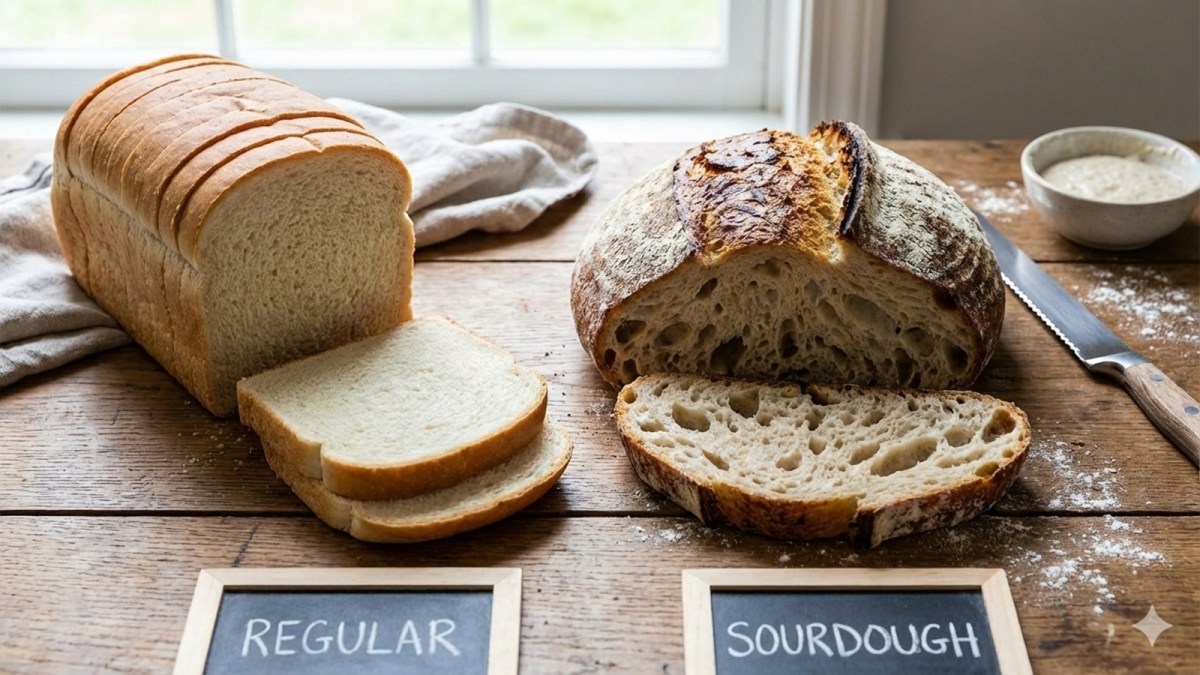
-
What happened: Pooja Makhija highlighted the difference between regular and sourdough bread in terms of gluten and gut health.
-
Why it matters now: Bread is a staple for millions, but high gluten content can trigger digestive discomfort for some.
-
What changes for people: Choosing sourdough can reduce gluten intake naturally without giving up bread.
-
Who is affected: Daily bread consumers, people with mild gluten sensitivity, and health-conscious individuals.
Sourdough over regular bread: What makes it different?
Mumbai: Celebrity nutritionist Pooja Makhija explained on Masoom Minawala’s podcast why sourdough bread may be easier to digest than regular bread. Unlike standard yeast-fermented bread, sourdough uses a natural microbial culture that partially breaks down gluten, the protein responsible for many digestive issues.
“A regular slice of bread contains around 14,000 microorganism parts of gluten, whereas sourdough has only 200. It’s not completely gluten-free, but it’s much gentler on the gut,” Makhija said. She noted that sourdough can be made from ragi, rye, or other grains, offering versatility while improving digestibility.
Why this matters for your gut
The fermentation process in sourdough pre-digests some of the gluten, making it less likely to irritate the digestive system. Nutrition experts say this can benefit people with mild gluten sensitivity or those aiming for better gut health without eliminating bread from their diet.
Practical takeaway
Consumers don’t need to switch to gluten-free products to reduce discomfort; opting for sourdough or other naturally fermented breads may help manage gluten intake while retaining taste and texture.