
Cashless Highways: India to End Cash Tolls by April 2026?
India plans to go fully digital for highway toll payments by April 2026.
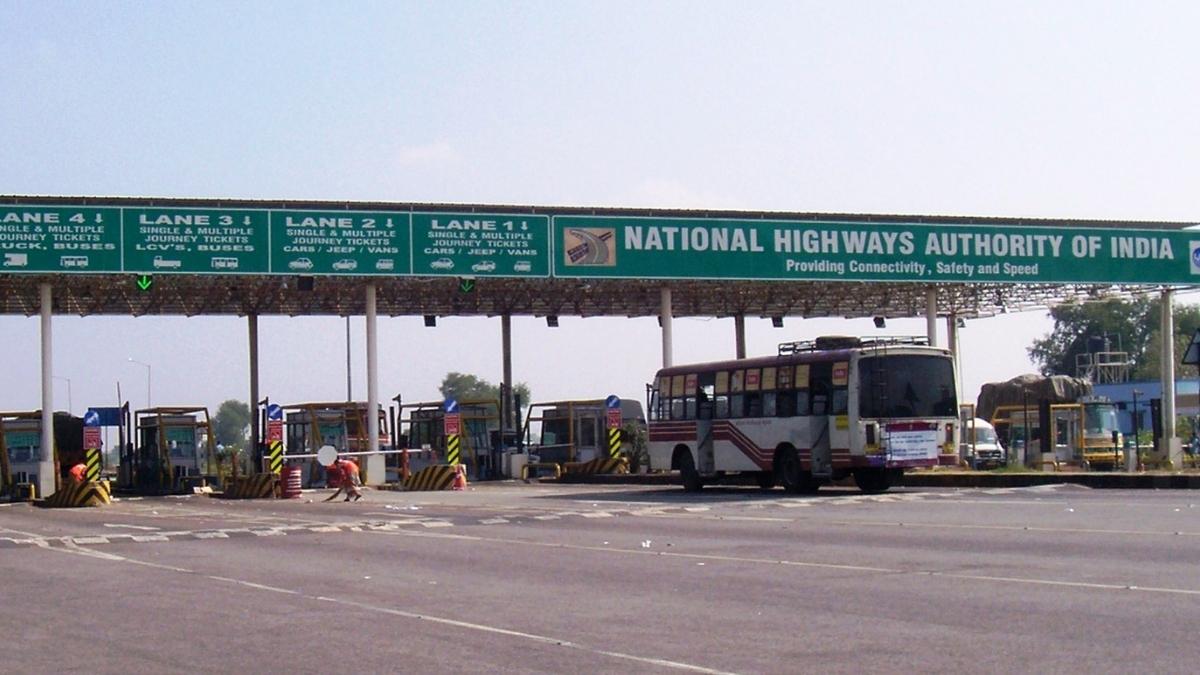
Top Summary
- What happened: NHAI proposes ending cash payments at all toll plazas nationwide.
- Why it matters: Aims to reduce congestion, improve traffic flow, and digitize toll collection.
- What changes for people: Commuters must use FASTag or UPI for toll payments. Cash will no longer be accepted.
- Who is affected: All highway users on National Highways and expressways across India.
India's Highway Tolls Going Cashless
The National Highways Authority of India (NHAI) is considering a significant shift to a fully digital toll collection system.
The proposal aims to stop cash payments at toll plazas across the country from April 1, 2026.
Digital Payment Mandate
If implemented, commuters will be required to use electronic payment methods.
Acceptable methods include FASTag and UPI.
“After the proposed date, toll payments at fee plazas would be processed only through electronic modes.”
FASTag Adoption is Already High
FASTag adoption has grown significantly.
Currently, more than 98% of vehicles use the electronic toll system.
Most payments are completed using RFID-enabled FASTag stickers.
Current Toll Payment Rules
Under existing regulations, vehicles without a valid FASTag face penalties.
- Vehicles without FASTag: Pay double the toll amount in cash.
- Motorists using UPI: Charged 1.25 times the applicable toll fee.
Expected Benefits of Cashless Tolls
Officials anticipate several benefits from eliminating cash transactions.
These benefits include reduced congestion, shorter waiting times, and fewer disputes.
The shift to digital payments aims to improve traffic flow at more than 1,150 toll plazas on National Highways and expressways.
What to Watch Next
Keep an eye out for the final decision from NHAI regarding the implementation of this proposal. Further updates and guidelines are expected as the April 1, 2026 deadline approaches.