
Can ChatGPT Health really help you? Doctors warn AI lacks clinical judgment
What happened: The launch of ChatGPT Health has sparked new debate in the medical community over how far AI should go in giving health guidance.•...
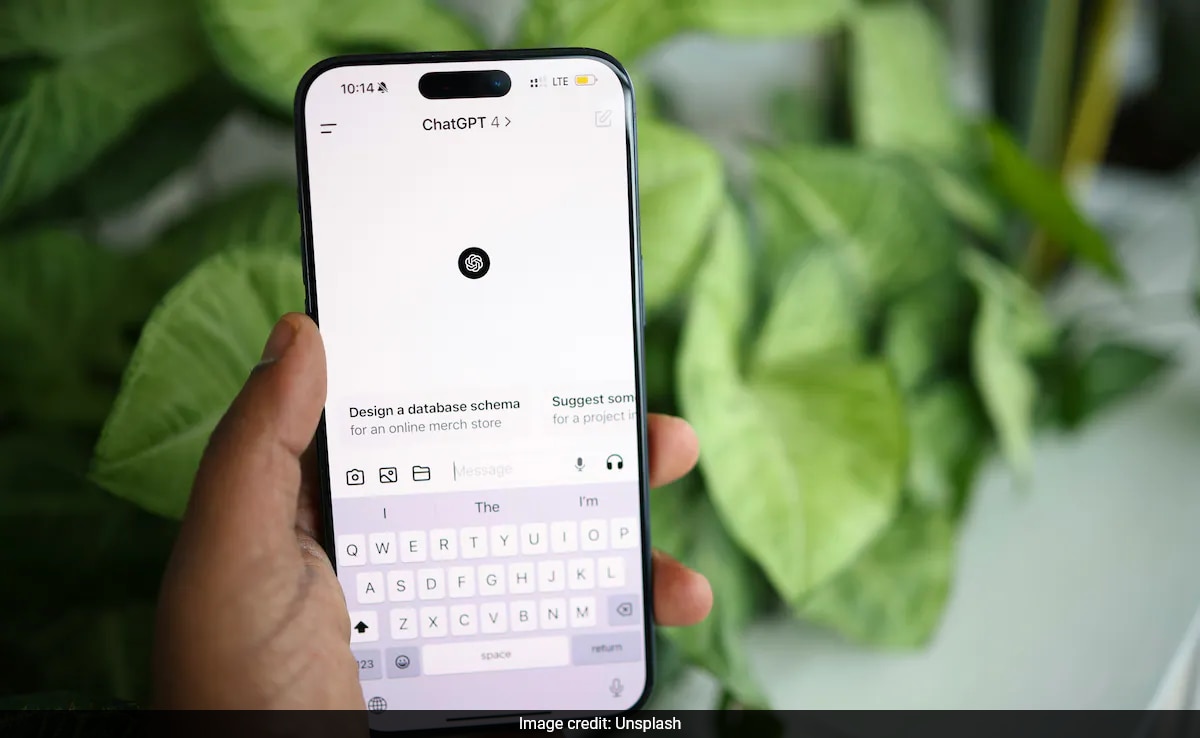
What happened: The launch of ChatGPT Health has sparked new debate in the medical community over how far AI should go in giving health guidance.
• Why it matters now: Doctors and researchers are warning that AI tools underlinecannot replace clinical judgmentunderline, especially for diagnosis and treatment decisions.
• What changes for people: Users may increasingly encounter AI in digital health apps, but experts caution that misinterpretation can delay proper care.
• Who is affected: Patients, caregivers, healthcare providers and regulators exploring AI-assisted healthcare.
Healthcare professionals are raising fresh concerns about the limitations of ChatGPT Health, arguing that while AI can organise information and answer general queries, it underlinelacks the clinical judgmentunderline required to evaluate symptoms, context and risk in real patients. Their caution comes as consumers are increasingly using AI tools to research illnesses, medications and test results.
AI can assist, but not diagnose
Clinicians say AI excels at summarising medical literature and offering general educational content, but warn that this is fundamentally different from diagnosing or managing a medical condition.
Medical experts interviewed by healthcare publications noted that evaluation of symptoms, physical examinations, test interpretation, and follow-up decisions require trained judgment developed through years of clinical experience. They caution that an AI model may miss red flags, misunderstand context or provide medically inappropriate reassurance.
Why this debate matters now
Digital health adoption has accelerated in recent years, and AI-powered chat tools are increasingly integrated into:
• Patient portals
• Symptom checkers
• Mental health apps
• Fitness and wellness platforms
For a mobile reader, the concern is straightforward: self-diagnosis using AI can lead to delayed treatment or unnecessary anxiety, both carrying real health consequences.
Public health researchers warn that misinformation or overconfidence in automated replies could affect:
• Public safety, by normalising self-treatment for serious conditions
• Healthcare systems, through delayed hospital visits and higher complication rates
• Regulatory policy, as governments assess what AI tools should and should not be allowed to do in healthcare settings
What doctors and regulators are saying
Professional bodies in multiple countries have repeatedly underlined that AI tools are not substitutes for licensed medical professionals. Some national health regulators have begun reviewing AI-guided symptom checkers and have advised that any health-related software must clearly disclose its limitations.
Doctors quoted in medical journals stress that patients often present with atypical symptoms that AI models are not trained to evaluate. They also point out that AI tools do not have access to full medical histories, lab results or physical exam findings, which are essential to correct diagnosis.
Meanwhile, computer scientists familiar with large language models acknowledge that responses are generated from patterns in data, not from real-world clinical reasoning.
Usefulness within limits
Experts note that tools like ChatGPT Health can still be valuable when used correctly, such as for:
• Understanding basic medical definitions
• Preparing questions for a doctor visit
• Learning how certain tests or medications work
• Translating complex health information into plain language
However, they underline that users should always consult qualified clinicians for diagnosis, treatment or medical decisions.