
Can Birth Control Pills Cause Infertility? Fertility Expert Clears the Air
Many women worry that long-term contraceptive use could harm their ability to conceive later.Doctors say most reversible birth control methods do not cause permanent infertility.Understanding...
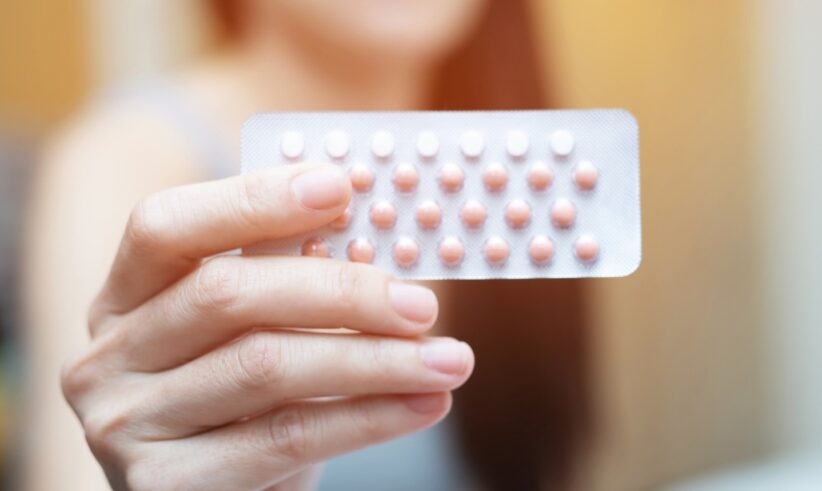
Many women worry that long-term contraceptive use could harm their ability to conceive later.
Doctors say most reversible birth control methods do not cause permanent infertility.
Understanding the difference between delay and damage is key.
Top Summary
What happened:
Fertility specialists addressed growing concerns about whether birth control pills and other hormonal contraceptives can cause long-term infertility.
Why it matters now:
Misinformation about contraception continues to fuel anxiety among women planning future pregnancies.
What changes for people:
Experts say fertility usually returns to normal after stopping reversible contraceptives, though temporary delays can occur.
Who is affected:
Women of reproductive age, couples planning families, and those using hormonal or non-hormonal birth control methods.
The Big Question: Do Birth Control Pills Harm Fertility?
One of the most common concerns women raise is whether years of using contraceptive pills could reduce their chances of getting pregnant later.
According to Dr. Deepak Shetty, Fertility Specialist at Nova IVF Fertility, reversible contraceptives work by temporarily suppressing ovulation, thickening cervical mucus and altering the uterine lining. Once the hormones are stopped or a device is removed, the body’s natural cycle resumes.
Medical research consistently shows that most women regain normal fertility within one year of stopping contraception, regardless of how long it was used.
Delay vs Permanent Damage
Experts stress an important distinction: a short delay in ovulation does not mean permanent infertility.
Some contraceptive methods may take slightly longer for fertility to return.
-
Oral contraceptive pills, patches and rings: Ovulation typically resumes within two to three cycles.
-
Hormonal and copper IUDs: Fertility often returns within one or two cycles after removal.
-
Implants: Similar quick recovery once removed.
-
Injectable contraceptives: May take several months longer for ovulation to restart.
Research shows injectable contraceptives can delay ovulation by five to eight cycles, but this effect is temporary.
Why the Myth Persists
Many women believe prolonged contraceptive use “weakens” fertility. Doctors say that is not supported by scientific evidence.
In some cases, birth control pills regulate irregular cycles. When stopped, underlying issues such as polycystic ovary syndrome (PCOS), hormonal imbalances or irregular ovulation may become visible again.
This can create the false impression that contraception caused the fertility problem — when in reality, the condition existed beforehand.
What Science Says
Large demographic studies show that the majority of women conceive within a year of stopping reversible contraceptives.
Systematic reviews also confirm that prior contraceptive use does not negatively affect long-term ability to conceive.
Age remains a far more significant factor than contraceptive history when it comes to fertility outcomes.
When Should You See a Doctor?
Doctors recommend a fertility evaluation if:
-
You are under 35 and unable to conceive after 12 months of trying.
-
You are 35 or older and unable to conceive after 6 months of trying.
Other factors such as male partner health, endometriosis, pelvic infections or age-related egg quality decline can affect fertility — unrelated to birth control use.
Early consultation helps identify treatable issues and reduces unnecessary anxiety.
Multiple Perspectives
Fertility specialists emphasize reassurance: reversible contraceptives are designed to prevent pregnancy temporarily, not permanently.
Public health experts also highlight the importance of accurate information, especially as birth control remains essential for reproductive planning and women’s health autonomy.
However, individualized counseling remains important, as every woman’s hormonal profile and reproductive timeline are different.