
Bus Fire on Karnataka Highway: Survivors Describe Ordeal of Flames, Injuries and Delayed Medical Aid
Survivors of the deadly bus fire that followed a collision with a truck near Hiriyur in central Karnataka early Thursday have described a night of...
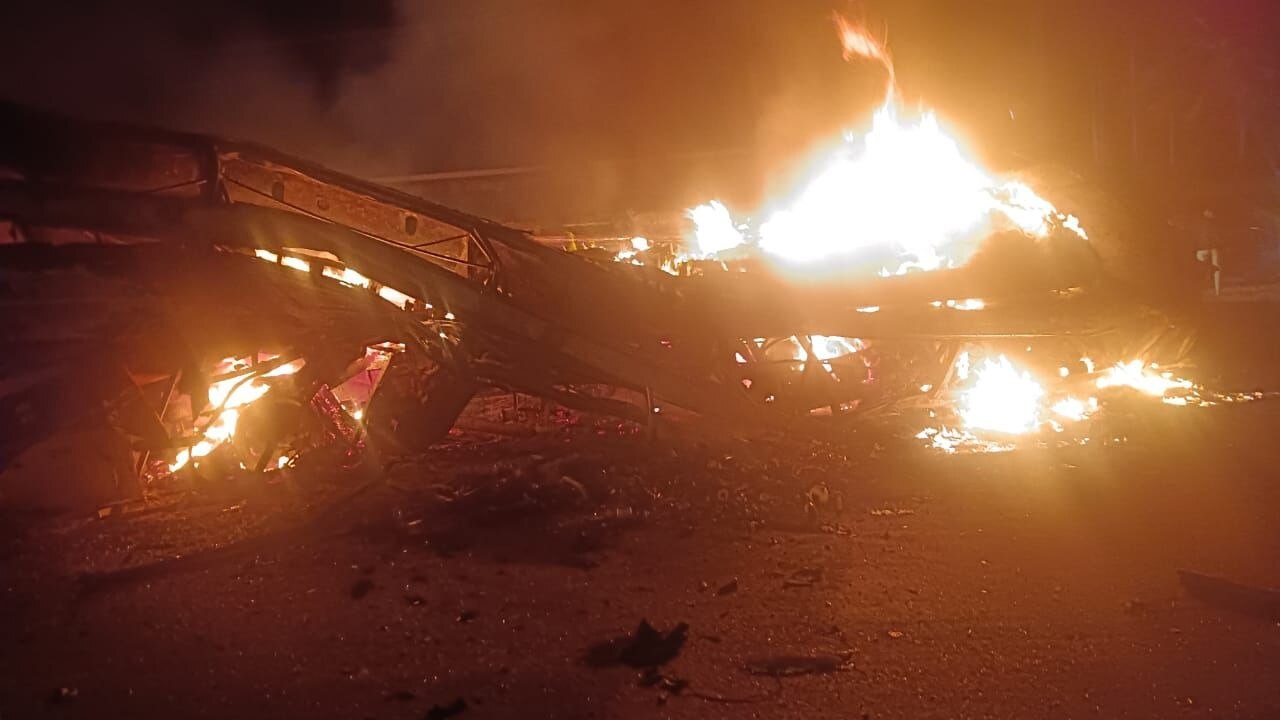
Survivors of the deadly bus fire that followed a collision with a truck near Hiriyur in central Karnataka early Thursday have described a night of terror that did not end when they escaped the burning vehicle. For many, the struggle to survive the flames was followed by a prolonged and painful wait for medical assistance in the freezing early-morning hours along National Highway 48.
The accident, which occurred while most passengers were asleep, turned a sleeper coach into an inferno within minutes. While more than 20 people are feared to have lost their lives, dozens of others narrowly escaped, some with severe burn injuries.
Trapped by Fire in Their Sleep
Passengers said the crash jolted them awake, only to be met with darkness, thick smoke and rising flames. With visibility near zero and breathing difficult, panic spread quickly through the bus.
Hemaraj, who was travelling with his wife Kalpana and their eight-year-old son to Gokarna, recalled the moment the situation became clear. He said he felt something fall on his head from an upper berth and realised the bus was filling with smoke. Acting instinctively, he pushed his son out through a window, followed by his wife. As cries for help echoed from the rear of the bus and flames moved closer, he said jumping out was his only option.
Several passengers described kicking open windows or forcing their way out of broken exits, injuring themselves as they leapt onto the highway while the bus burned behind them.
Injuries and a Long Wait for Help
According to survivors, three passengers sustained critical injuries, including serious burns, while around 25 others suffered minor wounds such as fractures, cuts and smoke inhalation.
What angered many survivors was not just the accident itself, but what followed. Stranded on the highway in the cold night, they said medical help was slow to arrive.
Varun, a software professional travelling on the bus, said those who escaped were injured, shivering and in pain, with no ambulance in sight. Survivors told local media that despite repeated emergency calls, the first ambulance arrived nearly 90 minutes after the crash. Two more ambulances reportedly reached the site only between 3.40 am and 4 am.
Manjunath M, who suffered close to 70% burns, was among those who endured a particularly harrowing wait before being taken to hospital.
Locals Step In as First Responders
While medical assistance was delayed, survivors acknowledged that firefighters reached the scene within about 20 minutes and worked with local residents to rescue passengers.
Ritish Kumar, a private firm driver who rushed to the spot after hearing about the accident, said he contacted friends from a local water users’ association to help. Along with firefighters, they attempted to pull trapped passengers out of the wreckage and assist those who had escaped.
With ambulances yet to arrive, locals later helped transport the injured to government hospitals in Hiriyur and Shira once vehicles became available.
Authorities Cite Traffic Congestion
Ambulance drivers who eventually reached the site said they were delayed by heavy congestion caused by the crash itself. According to them, traffic on the highway came to a standstill, with a jam stretching nearly three kilometres, making it difficult for emergency vehicles to move quickly.
Bigger Questions on Emergency Response
The tragedy has renewed questions about emergency preparedness and response times on major highways, especially during night travel. Road safety experts note that while fire and police services often reach accident sites quickly, gaps in coordinated medical response can prove fatal in incidents involving burns and mass casualties.
As investigations continue into the cause of the collision and the subsequent fire, survivors and families of victims are calling for accountability—not only for the crash, but also for what they describe as a critical delay in lifesaving medical care.