
Breakthrough Study Reveals Molecular Basis of Long COVID Brain Fog
Even years after the start of the COVID-19 pandemic, the lingering effects of SARS-CoV-2 infection are still not fully understood. Among these, Long COVID—a chronic...
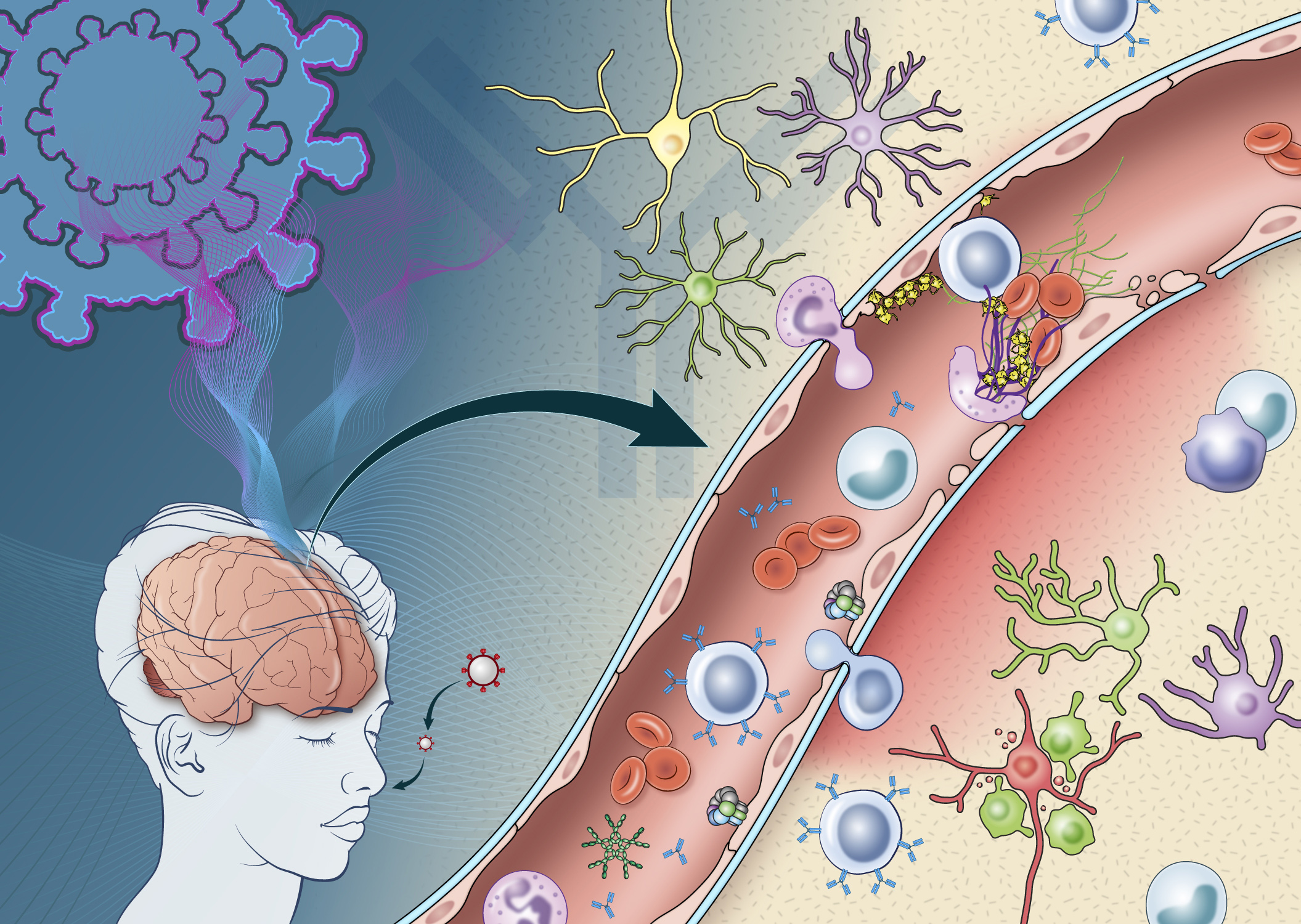
Even years after the start of the COVID-19 pandemic, the lingering effects of SARS-CoV-2 infection are still not fully understood. Among these, Long COVID—a chronic condition that develops after infection—has emerged as a major health concern, with cognitive impairment, or “brain fog,” affecting over 80% of patients. This condition significantly impacts daily life and work, posing a global public health and socioeconomic challenge.
Despite its prevalence, the underlying causes of Long COVID brain fog remain unclear. Previous brain imaging studies have indicated structural changes, but the molecular mechanisms driving cognitive symptoms have remained elusive. Without objective biomarkers, diagnosis and treatment development have been limited.
A team led by Professor Takuya Takahashi at Yokohama City University, Japan, has now made a significant breakthrough. Published in Brain Communications on October 1, 2025, the study hypothesized that brain fog in Long COVID patients might involve disrupted expression of AMPA receptors (AMPARs), which are crucial for memory and learning. To test this, the team employed a novel imaging technique called [11C]K-2 AMPAR PET, allowing them to directly visualize and quantify AMPAR density in the living human brain.
The study compared 30 Long COVID patients with 80 healthy controls. The results showed a widespread increase in AMPAR density across patients’ brains, which correlated strongly with the severity of cognitive impairment. Additionally, levels of inflammatory markers were linked to AMPAR concentrations, suggesting a connection between inflammation and receptor expression.
These findings provide a biological explanation for Long COVID brain fog and identify AMPARs as a potential therapeutic target. Drugs that reduce AMPAR activity could help alleviate cognitive symptoms. Remarkably, the PET imaging data could also distinguish Long COVID patients from healthy individuals with 100% sensitivity and 91% specificity, offering promise for diagnostic applications.
Professor Takahashi emphasized, “By applying our newly developed AMPA receptor PET imaging technology, we aim to provide a novel perspective and innovative solutions to the pressing medical challenge that is Long COVID.”
While further research is needed to develop definitive treatments, this study marks a critical step toward understanding and managing Long COVID brain fog. Prof. Takahashi concluded, “Our findings clearly demonstrate that Long COVID brain fog should be recognized as a legitimate clinical condition, which could accelerate the development of diagnostic and therapeutic approaches.”
In summary, the study uncovers the molecular basis of cognitive impairment in Long COVID, offering hope for novel diagnostic tools and targeted therapies for millions affected worldwide.