
Brazil Erupts in Outrage After 121 Killed in Rio Police Operation: UN, Lula Condemn “Massacre”
Brazil is reeling after at least 121 people were killed, including four police officers, in a massive police raid targeting drug gangs in Rio de...
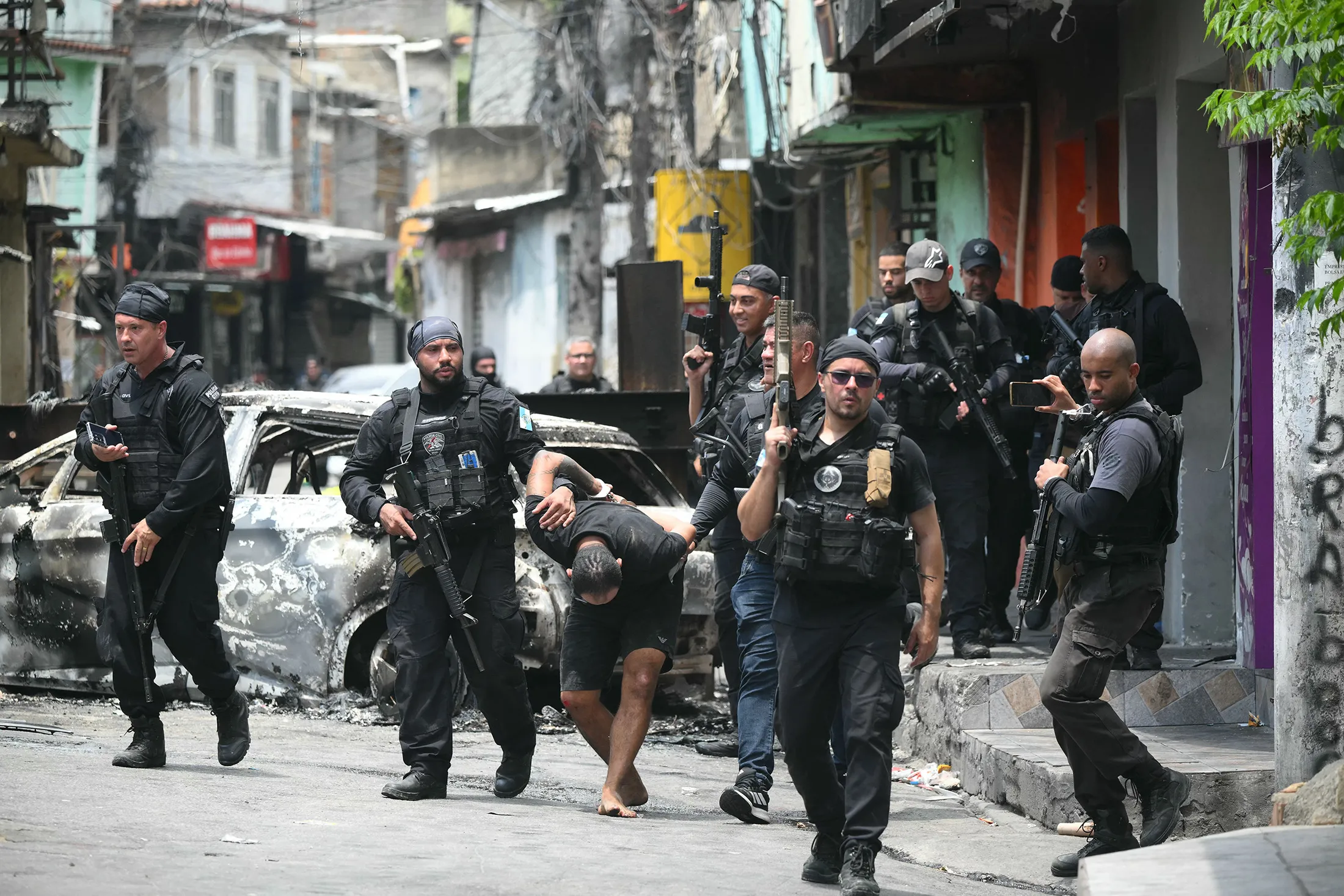
Brazil is reeling after at least 121 people were killed, including four police officers, in a massive police raid targeting drug gangs in Rio de Janeiro — one of the deadliest single-day security operations in the country’s history.
The operation, conducted Tuesday in the Complexo da Penha favela against the powerful Comando Vermelho (Red Command) gang, ignited hours of gunfire between security forces and gang members. The violence spilled into surrounding neighbourhoods, shutting down schools, universities, and major roads.
A City in Mourning
By Wednesday, protesters filled the streets outside Guanabara Palace, the seat of Rio’s state government, carrying signs demanding justice and holding up photos of the dead. Local residents described scenes of “execution-style killings” and said bodies were found with gunshot and stab wounds, sparking anger and grief.
“I just want to take my son out of here and bury him,” one mother told Reuters, standing beside bloodied bodies laid out by families in the streets.
Lula Orders Inquiry, Federal Team Dispatched
President Luiz Inácio Lula da Silva, condemning what he called “unacceptable violence,” said he was “appalled” by the brutality and has ordered an immediate federal inquiry.
“I have instructed the minister of justice and the director-general of the federal police to go to Rio and meet with the governor,” Lula announced on X (formerly Twitter). “We cannot allow organized crime to continue destroying families and spreading violence — but neither can we accept actions that endanger police officers and innocent residents.”
Justice Minister Ricardo Lewandowski sharply criticised the “excessive use of brute force”, noting that the federal government had not been informed in advance of the operation. “Confrontation alone is not enough — it must be guided by intelligence, planning, and coordination,” he told reporters, according to Bloomberg.
Authorities Defend Raid, Admit “Lethality”
Rio’s conservative governor defended the operation, calling it the start of a “war” against organised crime. State security chief Victor Santos acknowledged the scale of the casualties, saying, “The elevated lethality of the operation was expected but not desired,” and promised an investigation into any misconduct by officers.
Public defenders warned that the death toll could rise to 132, citing reports of missing persons and uncollected bodies.
UN Demands Accountability
The United Nations Human Rights Office condemned the operation as a potential human rights violation, urging Brazil to conduct a “prompt and effective investigation.”
“We remind authorities of their obligations under international law,” the UN statement read, “and stress that security operations must respect the right to life and due process.”
“A Massacre,” Say Local Activists
Community leaders and rights activists described the raid as a massacre.
“We saw people executed — shots to the back, shots to the head, stab wounds, people tied up,” said Raull Santiago, a well-known human rights advocate from the favela. “This was hatred, not policing.”
A Pattern of Deadly Policing
Police killings in Brazil, particularly in Rio’s densely populated favelas, have long been a flashpoint. According to official data, more than 6,000 people are killed annually in police operations nationwide, a figure that human rights organisations say disproportionately affects poor, Black, and marginalised communities.
The latest bloodshed has renewed debate over Rio’s militarised policing strategy, often justified as a fight against powerful drug syndicates but widely criticised for indiscriminate violence.