
Brain Connectivity Disrupted in Women with PTSD Following Sexual Assault, Study Finds
Key Findings A new study presented at the ECNP conference in Amsterdam shows that sexual assault-related Post-Traumatic Stress Disorder (PTSD) can lead to dramatic disruptions...
Key Findings
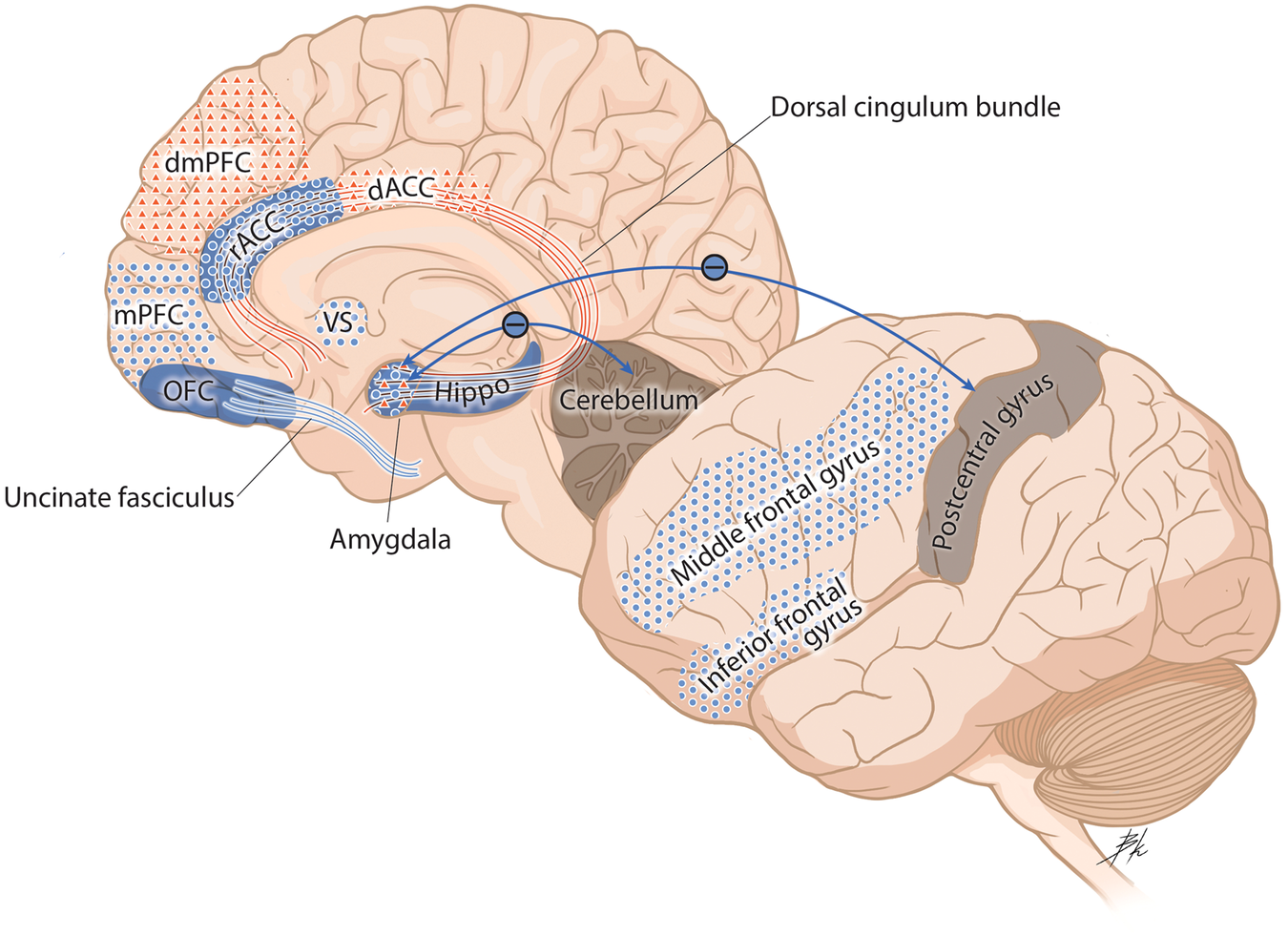
A new study presented at the ECNP conference in Amsterdam shows that sexual assault-related Post-Traumatic Stress Disorder (PTSD) can lead to dramatic disruptions in brain connectivity. Researchers found that communication between the amygdala and prefrontal cortex—two regions essential for processing and controlling emotions—can drop to near zero in some women with PTSD.
Worldwide, 17–25% of women experience sexual assault, with around 70% developing PTSD. While previous PTSD studies focused on trauma from natural disasters, accidents, or war, this study is among the first to examine brain changes specifically following sexual assault in teenagers and adult women.
The Study
-
Researchers from the Hospital Clinic of Barcelona studied 40 women who had experienced sexual assault within the past year and developed PTSD.
-
A matched control group of women without PTSD was also studied.
-
Participants underwent resting-state functional MRI to measure communication between brain regions.
Lead researcher Dr. Lydia Fortea explained:
"PTSD following sexual assault tends to be especially severe, often accompanied by depression, anxiety, and suicidal thoughts. Despite sexual violence being one of the most widespread forms of trauma affecting women, research has focused mostly on war or disaster-related PTSD."
Disrupted Brain Circuits
The study focused on the fronto-limbic system, which regulates fear and emotions. Key findings include:
-
In 22 out of 40 women with PTSD, connectivity between the amygdala (emotion processing) and prefrontal cortex (emotion regulation) was lost or near zero.
-
This weakened connection may explain why women with PTSD experience intense fear, mood swings, and difficulty regulating emotions.
-
Interestingly, the degree of connectivity loss did not directly correlate with the severity of PTSD or depression, suggesting that other factors influence symptom severity.
Future Directions
Dr. Fortea highlighted that understanding these brain changes could help:
-
Predict treatment response for PTSD following sexual assault.
-
Identify women at higher risk for severe or persistent symptoms.
-
Improve clinical interventions and recovery outcomes.
"Our study is ongoing, and larger studies are needed to confirm these findings," Fortea added.