
Bird Flu Pandemic Risk: What Scientists Know About H5N1 and Why Vigilance Matters
For years, scientists have warned that bird flu—formally known as H5N1—could one day make the dangerous leap from birds to humans and spark a global...
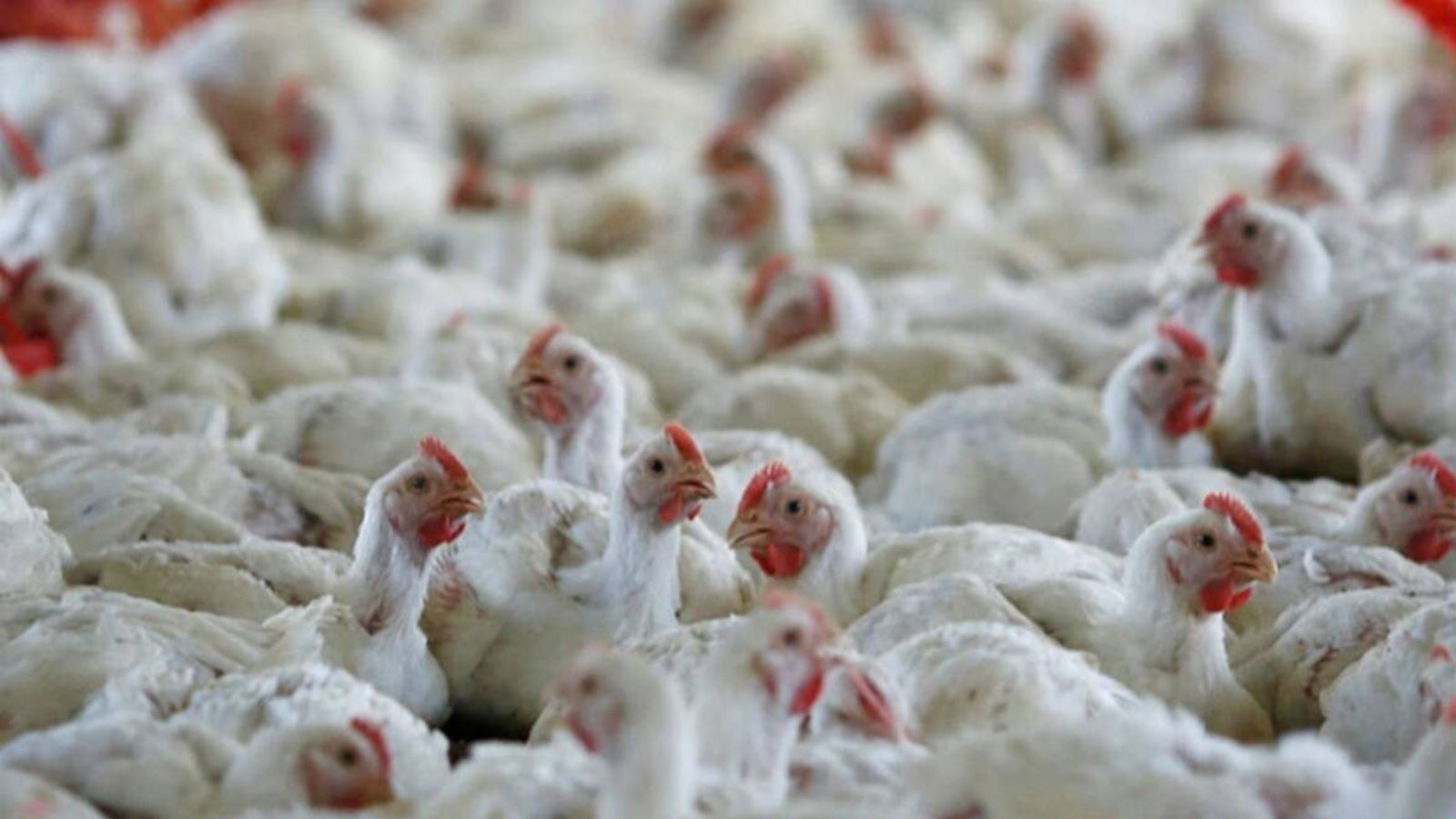
For years, scientists have warned that bird flu—formally known as H5N1—could one day make the dangerous leap from birds to humans and spark a global health crisis. While the virus currently spreads mainly among birds, health experts remain alert to the possibility that it could mutate and enable sustained human-to-human transmission.
Avian influenza has become entrenched across South and South-East Asia and has occasionally infected humans since it first emerged in China in the late 1990s. According to the World Health Organization (WHO), between 2003 and August 2025 there were 990 confirmed human H5N1 cases across 25 countries, resulting in 475 deaths—an alarming fatality rate of about 48 per cent.
The virus has also spread widely among animals. In the United States alone, more than 180 million birds have been affected, with infections reported in over 1,000 dairy herds across 18 states. At least 70 people—mostly farmworkers—have been infected, leading to several hospitalisations and one death. In India, the virus has crossed into wildlife as well: in January, three tigers and a leopard died at a rescue centre in Nagpur after contracting H5N1.
In humans, symptoms of bird flu resemble those of a severe influenza infection, including high fever, cough, sore throat, muscle pain and, in some cases, conjunctivitis. Some infected individuals show no symptoms at all. While the current risk to the general population remains low, health authorities worldwide are closely monitoring the virus for any signs that it could adapt to spread more easily among people.
These concerns have prompted new peer-reviewed research by Indian scientists Philip Cherian and Gautam Menon of Ashoka University. Their study, published in the journal BMC Public Health, uses computer-based modelling to simulate how an H5N1 outbreak in humans might unfold and how early public health interventions could potentially stop it before it escalates.
The researchers used BharatSim, an open-source simulation platform originally developed to model the spread of Covid-19. By combining real-world data with virtual scenarios, the model explores how a human outbreak might begin—most likely with a single transmission from an infected bird to a person such as a farmer or poultry worker—and examines the critical point at which limited infections could turn into sustained human-to-human spread.