
BCCI–PCB Clash Looms at ICC Meeting Over Asia Cup Trophy Handover Dispute
Trophy Row Sparks New Rift Between India and Pakistan Cricket Boards A fresh diplomatic standoff is brewing in world cricket, with the Board of Control...
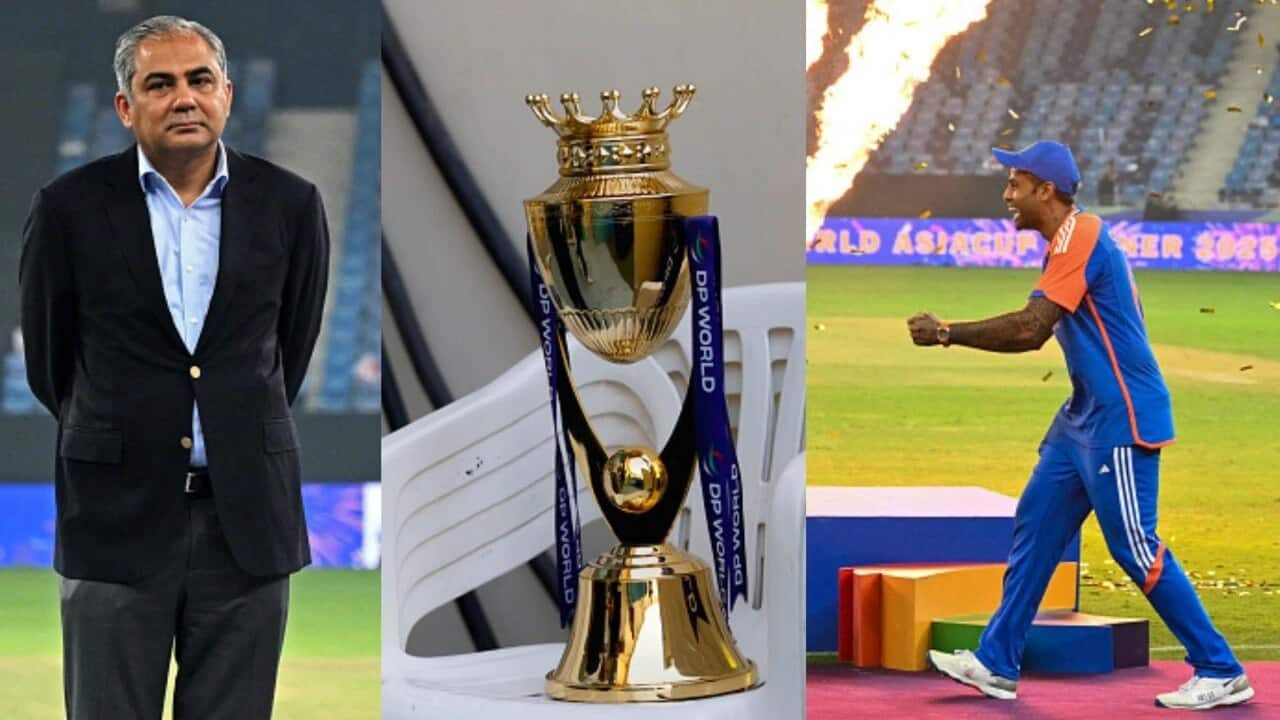
Trophy Row Sparks New Rift Between India and Pakistan Cricket Boards
A fresh diplomatic standoff is brewing in world cricket, with the Board of Control for Cricket in India (BCCI) and the Pakistan Cricket Board (PCB) headed for a confrontation at the ICC board meeting next month.
At the heart of the dispute lies PCB chairman Mohsin Naqvi’s insistence on personally handing over the Asia Cup 2023 trophy to the Indian team in his role as Asian Cricket Council (ACC) President — a gesture the BCCI has reportedly opposed since the conclusion of the tournament.
India, which won the Asia Cup earlier this year, did not participate in the official post-final trophy ceremony, citing communication gaps and security concerns at the time.
Naqvi Defends His Position
In a formal reply circulated to the BCCI, ACC member boards, and other stakeholders, Naqvi reiterated that the trophy “rightly belongs to the Indian cricket team” but remains in the ACC’s custody until formally received by a BCCI representative and a player.
He proposed a presentation ceremony on November 10 in Dubai, where the trophy could be handed over “with due ceremony and media coverage.”
“There should be no deviation from established practices, and no precedent should be set that undermines the spirit of the game we all love,” Naqvi wrote in his letter.
Naqvi also dismissed what he called “petty politics” and “slanderous insinuations,” accusing certain parties of trying to politicize what he described as a ceremonial matter.
BCCI’s Objections and Support from Other Boards
According to insiders, the BCCI, backed by the Sri Lanka and Afghanistan cricket boards, has formally protested Naqvi’s plan, viewing it as an unnecessary provocation given the sensitive diplomatic backdrop between India and Pakistan.
Officials familiar with the matter said the BCCI had previously informed the ACC that the Indian team and its representatives would not attend any trophy ceremony organized outside of the tournament context, emphasizing that the title had already been accepted on the team’s behalf.
The ICC’s current chairman, Jay Shah, who also serves as BCCI Secretary, is expected to preside over discussions aimed at diffusing the standoff.
Behind the Trophy Fiasco
The row stems from the chaotic end to the Asia Cup final presentation ceremony, during which the Indian team reportedly declined to take the trophy on stage.
Naqvi claimed that the ACC and event organizers were informed of India’s decision only minutes before the ceremony was due to begin. He said the delay caused “an inordinate disruption” and left guests and officials waiting for nearly 40 minutes.
“The ACC president waited to ensure the integrity of the presentation ceremony was preserved but in vain,” Naqvi’s reply stated.
Legal Threats and ICC Showdown Ahead
A senior PCB source confirmed that the board’s legal department has been instructed to prepare a dossier in anticipation of potential disciplinary action by the BCCI or its allies at the ICC meeting.
The source added that the PCB views any such move as an “overreach” that could undermine the authority of the Asian Cricket Council, an organization historically led by rotating member nations.
The BCCI, meanwhile, has signaled that if the issue is not resolved amicably before the ICC gathering, it may push for formal censure of Naqvi for what it considers “repeated breaches of protocol.”
Broader Implications
The dispute highlights once again the strained relations between the Indian and Pakistani cricket boards, which have struggled to maintain regular bilateral ties for over a decade due to political and security tensions.
Analysts warn that the impasse could further complicate future ACC events, including the scheduling of youth and women’s tournaments, if the two boards fail to reach a compromise before the ICC meeting.
With the trophy still locked in a diplomatic limbo and both sides refusing to yield, next month’s ICC summit may witness not just administrative debate — but yet another reminder of how deeply politics continues to shape South Asian cricket.