
BBC Leadership Crisis Deepens After Leaked Memo Exposes Editorial Failures and Inaction
Unprecedented Turmoil at the BBC The BBC has been plunged into its deepest crisis in years after the resignation of Director General Tim Davie and...
Unprecedented Turmoil at the BBC
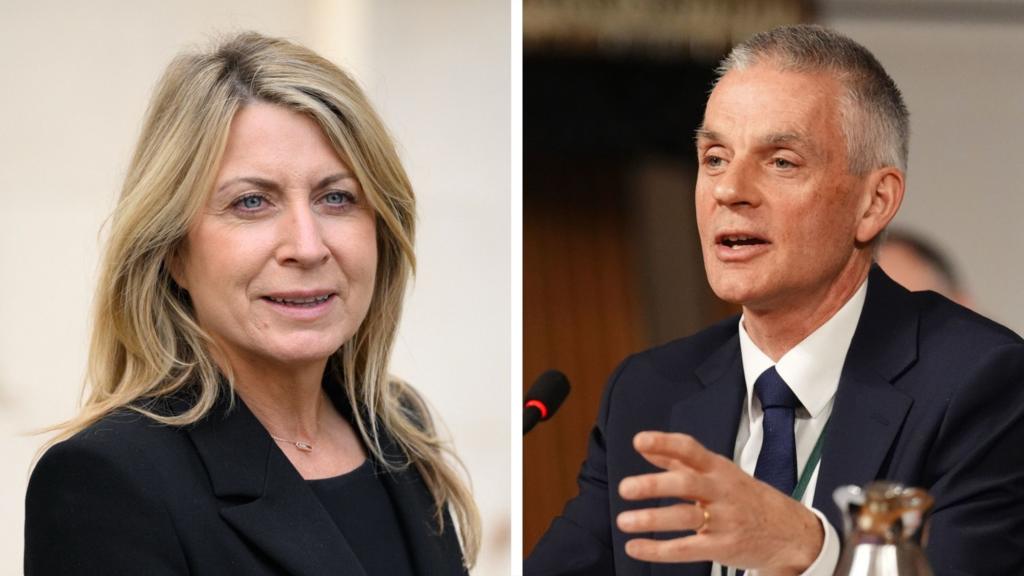
The BBC has been plunged into its deepest crisis in years after the resignation of Director General Tim Davie and BBC News CEO Deborah Turness, following revelations that the broadcaster misrepresented former U.S. President Donald Trump’s remarks in a 2024 Panorama documentary.
Their resignations came days after a confidential memo, written by former BBC editorial adviser Michael Prescott, was leaked to The Daily Telegraph. The document accused senior executives of failing to act on multiple complaints about editorial bias, misleading reporting, and breaches of impartiality across several BBC programs.
The fallout has left the corporation’s leadership in disarray, with insiders describing the twin departures as “seismic” and “unprecedented.”
The Memo That Sparked a Media Earthquake
Prescott, who served for three years as an independent adviser to the BBC’s Editorial Guidelines and Standards Committee (EGSC), wrote that he prepared the memo “in despair at inaction by the BBC Executive when issues come to light.”
In his 13-page dossier, Prescott cited several instances of concern, the most serious involving the Panorama special Trump: A Second Chance?, broadcast a week before the 2024 U.S. presidential election.
Prescott alleged the program presented a “distinctly anti-Trump stance,” with ten contributors critical of Trump and only one supporter. He further claimed that Trump’s January 6, 2021, speech was misleadingly edited — splicing two separate parts together to make it appear as though Trump had directly urged his supporters to storm the U.S. Capitol.
“By merging two clips from different moments, Panorama gave viewers the impression that Trump said something he did not,” Prescott wrote, calling the edit a “material deception.”
The memo also raised concerns about the BBC’s coverage of transgender issues and the war in Gaza, alleging systemic editorial bias and weak internal accountability mechanisms.
Former Minister: “Things Go Wrong — But This Time Nothing Was Done”
Former Culture Secretary Sir John Whittingdale told BBC Breakfast that while errors in broadcasting were inevitable, the failure to respond to such serious internal concerns represented a deeper institutional problem.
“The BBC produces thousands of hours of content, and inevitably things go wrong,” Whittingdale said. “What’s different this time is that when concerns were raised with the Board, nothing happened.”
He described Davie’s resignation as “deeply unfortunate,” calling him “a decent man doing an incredibly tough job,” but added that “so many failures” had forced both Davie and Turness to step down.
Media Analysts: A Crisis of Trust and Governance
Katie Razzall, the BBC’s Culture and Media Editor, described the resignations as “an extraordinary moment in the history of the BBC.”
“To lose both the director general and the head of news simultaneously is unprecedented,” she wrote. “It suggests deep structural tensions between the BBC Board and its news division. There’s growing debate over whether this reflects long-standing institutional bias or a politically driven campaign against the corporation.”
Political Editor Chris Mason added that the crisis comes at a critical juncture as the government prepares to renegotiate the BBC Charter, which governs its funding and mission. The current Charter expires in 2027, and the fallout could influence how the next version defines editorial independence and accountability.
Press and Public Reaction
Monday’s newspapers captured the intensity of the backlash. The Daily Mail led with the headline “BBC Bosses Quit in Disgrace,” while the Daily Mirror declared a “Crisis at the Beeb.”
The Telegraph, which first published the leaked memo, called it the broadcaster’s “biggest crisis in more than a decade.”
According to The Times, Davie’s downfall was “death by a thousand cuts,” reflecting months of cumulative controversy over editorial missteps. The Guardian said the resignations mark “the start of a monumental search to fill two of the most powerful jobs in British media.”
What Happens Next for the BBC
The immediate challenge for the BBC will be stabilizing its leadership and reassuring both staff and the public of its editorial integrity. Industry observers predict intense political scrutiny in the months ahead, especially as ministers prepare for formal talks over the BBC’s future governance and funding model.
Media policy expert Dr. Ayesha Rahman of King’s College London noted:
“This isn’t just about one documentary — it’s about how the BBC handles mistakes, manages impartiality, and upholds trust in an era of fierce political polarization. The Charter review will now take place in a completely new atmosphere of suspicion.”
As Britain’s most influential public broadcaster faces its greatest reputational challenge in a generation, the question now is whether reform can restore confidence — or whether this marks the beginning of a deeper reckoning for the BBC’s role in modern journalism.