
Baloch militant group releases photos of two women suicide attackers amid deadly Balochistan violence
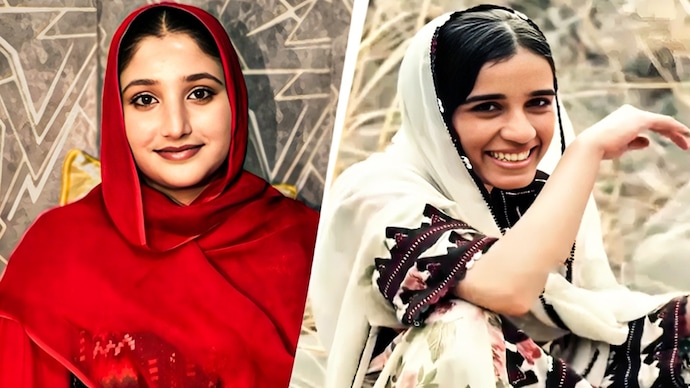
What happened: The Baloch Liberation Army (BLA) released images of two women suicide attackers involved in coordinated attacks across Balochistan. Why it matters: Female suicide...
-
What happened: The Baloch Liberation Army (BLA) released images of two women suicide attackers involved in coordinated attacks across Balochistan.
-
Why it matters: Female suicide attackers are rare in the Baloch insurgency, signalling a dangerous escalation.
-
What changes for people: Security operations have intensified across the province, with heavy casualties and heightened civilian fear.
-
Who is affected: Civilians, Pakistani security forces, Balochistan’s administration, and regional security dynamics.
In a disturbing escalation of Pakistan’s long-running Baloch insurgency, the Baloch Liberation Army has released photographs of two women suicide attackers, underscoring the severity of the latest wave of violence that has rocked Balochistan.
What happened
The BLA, which claimed responsibility for the recent coordinated assaults across Balochistan, confirmed that both suicide attackers were women.
-
One attacker was identified as Asifa Mengal, 24, a resident of Nushki
-
The second woman has not yet been identified
-
The attacks killed nearly 50 people, including at least 17 security personnel
In response, Pakistani security forces launched a 40-hour counter-operation, killing more than 140 militants, according to Sarfraz Bugti.
Who was Asifa Mengal
According to the BLA’s statement:
-
Mengal was born on October 2, 2002
-
Daughter of Mohammad Ismail
-
Joined the BLA’s Majeed Brigade on her 21st birthday
-
Volunteered to become a ‘fidayee’ (suicide attacker) in January 2024
-
Targeted the ISI headquarters in Nushki
These claims could not be independently verified.
Video of second attacker surfaces
A video circulating online shows the second woman attacker with male BLA members before the assault.
-
She is seen mocking the Pakistani government
-
Accuses authorities of targeting Baloch civilians, especially women
-
Calls on the Baloch population to “awaken” and resist
The footage, recorded in Balochi, is being analysed by security agencies.
Official confirmation from Pakistan
Pakistan’s Defence Minister Khawaja Asif confirmed that two of the attacks involved female perpetrators, calling the development alarming.
Junior Interior Minister Talal Chaudhry said attackers:
-
Entered schools, banks, markets, and hospitals
-
Disguised themselves as civilians
-
Opened fire indiscriminately
Scale and spread of the attacks
According to Balochistan government spokesperson Shahid Rind, attacks were reported from:
-
Nushki
-
Hub
-
Chaman
-
Naseerabad
-
Gwadar
-
Makran
The assaults began Friday night and continued through Saturday, prompting widespread security lockdowns.
‘Herof’ operation and military response
The BLA said the violence marked the second phase of its operation codenamed ‘Herof’ (Black Storm), aimed at security forces across the province.
Pakistan’s military said it:
-
Prevented militants from seizing cities or strategic installations
-
Repelled coordinated attempts at disruption
Why this matters now
Balochistan, Pakistan’s largest and poorest province, borders Afghanistan and Iran and has faced a decades-long separatist insurgency.
-
Militants seek independence or a greater share of natural resources
-
The use of female suicide attackers suggests a shift in militant strategy
-
Security analysts warn of greater radicalisation and unpredictability
The conflict appears to be entering a more volatile phase.