
Assam STF Arrests 11 Over Alleged Links to Bangladesh-Based Jihadist Network
Assam’s Special Task Force (STF) has arrested 11 people across Assam and Tripura for their alleged association with Imam Mahmuder Kafila (IMK), a radical organisation...
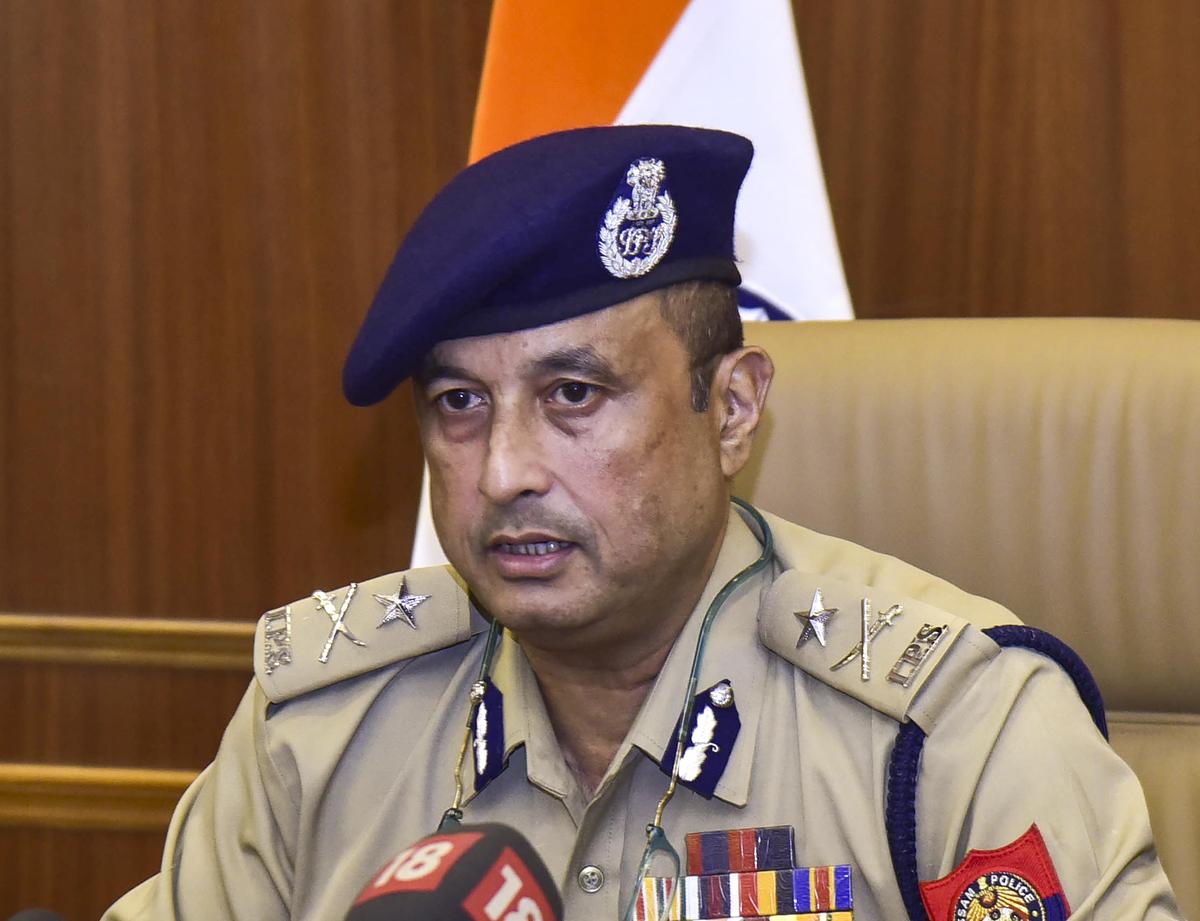
Assam’s Special Task Force (STF) has arrested 11 people across Assam and Tripura for their alleged association with Imam Mahmuder Kafila (IMK), a radical organisation that investigators say is an offshoot of the banned Jamaat-ul-Mujahideen Bangladesh (JMB).
The arrests were made during a coordinated late-night operation on December 29, 2025, following intelligence inputs shared by central security agencies, according to STF chief and Guwahati Police Commissioner Partha Sarathi Mahanta.
Of those detained, 10 are from Assam—specifically Baksa, Barpeta, Chirang, and Darrang districts—while one suspect was arrested in Tripura’s West Tripura district. Local police units assisted the STF during the operation.
Alleged Cross-Border Extremist Links
Addressing reporters in Guwahati on Tuesday (December 30), Mahanta said the arrested individuals were allegedly working under instructions from extremist handlers based in Bangladesh.
“These elements were acting on directives from Bangladesh-based outfits, with the objective of destabilising the northeastern region,” he said, adding that the investigation points to an organised and ideologically driven network.
According to Indian security agencies, the IMK was formed in 2018 by Jewel Mahmud, also known as Imam Mahmud Habibullah, a former JMB member. Intelligence assessments suggest that after political changes in Bangladesh in August 2024, leaders linked to JMB, the Ansarullah Bangla Team, and Al-Qaeda in the Indian Subcontinent (AQIS) played a role in reactivating and expanding the IMK’s operations in India.
Radicalisation Through Encrypted Platforms
Investigators say the group relied heavily on encrypted and secure social media platforms to operate discreetly. One such platform, identified as Purva Akash, is believed to have been used to radicalise, recruit, and channel funds to members in Assam, Tripura, and West Bengal, according to a security dossier accessed by authorities.
The dossier identifies Nasim Uddin of Barpeta Road as the alleged head of the IMK’s Assam module.
Officials said recruits were systematically indoctrinated using extremist propaganda and made to take a ‘bayat’—a pledge of allegiance—to IMK chief Habibullah. These pledges, recorded in audio-visual format, were reportedly sent to Bangladesh for verification and approval.
Training, Meetings, and Funding Channels
The STF claims that some Indian members travelled to Bangladesh using valid passports and visas, where they allegedly received training, including instruction in bomb-making. Authorities also allege that meetings between Assam-based operatives and Bangladeshi handlers took place in Meghalaya, underscoring the group’s regional footprint.
Financial investigations have reportedly uncovered a mix of UPI-based digital transactions and hawala channels linking IMK operatives in India and Bangladesh, pointing to an organised funding mechanism.
Security officials also flagged the group’s use of social and religious gatherings to spread extremist ideology. A meeting held in Barpeta in December 2024 is cited in the dossier, where IMK ideologues allegedly promoted violent armed struggle in India.
Legal Action and Security Implications
Police have registered a case against all 11 accused under provisions of the Bharatiya Nyaya Sanhita, 2023, along with relevant sections of the Unlawful Activities (Prevention) Act, 1967 (UAPA).
Officials said further arrests could follow as digital evidence, financial trails, and cross-border links are examined.
Why the Arrests Matter
The crackdown comes amid heightened security concerns in the Northeast, a region that shares long and porous borders with Bangladesh. Analysts say extremist groups have historically attempted to exploit socio-economic vulnerabilities and cross-border movement to establish sleeper cells.
Senior security officials stressed that close coordination between state forces and central agencies remains critical to preventing radical networks from gaining a foothold.
“The arrests show proactive intelligence-led policing,” an official said. “But they also underline the evolving methods of extremist groups and the need for constant vigilance.”
The investigation is ongoing.