
Army Chief says India is now integrating veterans into national security roles
What happened: Army Chief General Upendra Dwivedi said the Indian Army is actively integrating veterans into the country’s broader security and nation-building framework. Why it...
-
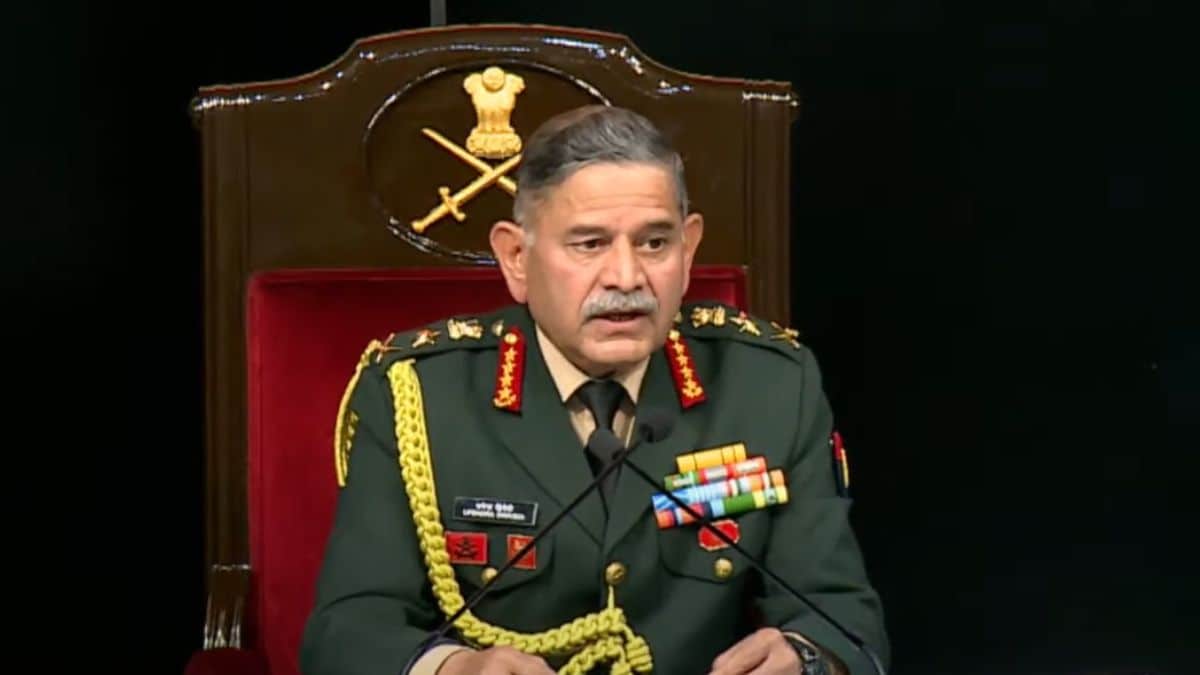
What happened: Army Chief General Upendra Dwivedi said the Indian Army is actively integrating veterans into the country’s broader security and nation-building framework.
-
Why it matters now: India faces evolving security and governance demands, increasing the need for trained personnel beyond active duty.
-
What changes for people: Retired soldiers may get expanded welfare, healthcare and resettlement support, along with more structured roles after service.
-
Who is affected: Ex-servicemen, defence families and national institutions working on security and public systems.
New Delhi, January 15: General Upendra Dwivedi used the occasion of Armed Forces Veterans Day to highlight how the Army is reshaping its engagement with former soldiers. He noted that India is now actively tapping veteran experience in security, governance, industry and social development, signalling a shift from viewing retirement as the end of defence service.
He told attendees that veterans continue to contribute long after leaving uniform, adding that their readiness to assist during national challenges reflects a deep commitment to duty. The event was held a day before the country formally celebrated Veterans Day on January 14.
A structured push to leverage military experience
General Dwivedi said the Army is developing institutional mechanisms that allow military retirees to take on constructive roles in civilian systems.
Army officials have signalled in recent months that retired personnel hold critical expertise in areas such as disaster response, cybersecurity, defence manufacturing, border awareness and administrative governance.
Security analysts say this trend aligns with global practices. Many countries integrate their veterans into policy think tanks, emergency management agencies, defence companies and civic programs, reducing talent gaps inside government systems.
Expanded welfare programs for defence families
Alongside the strategic shift, the Army Chief pointed to an expanding welfare ecosystem for former soldiers and their dependents.
He cited the August 2024 launch of Project NAMAN, which aims to provide a dedicated support system for defence pensioners. The programme has now reached a major milestone in terms of implementation, though numbers were not disclosed.
According to Army officials, Project NAMAN focuses on:
-
Faster pension-related services
-
Medical access and tele-consultation
-
Family support after bereavement
-
Resettlement and training assistance
These initiatives are designed to smooth the transition into civilian life and ensure that families are not left navigating bureaucracy alone.
Why it matters for national security and society
Experts say the move could have a multi-layered impact:
-
Public safety: Veterans are skilled in crisis management, useful during natural disasters and urban emergencies.
-
Security and governance: Their training improves decision-making in strategic government roles, including cybersecurity and logistics.
-
Economy and industry: Defence firms and infrastructure projects benefit from retired specialists familiar with supply chains, defence standards and technology.
-
Social development: Veterans often work in education, community security and youth training, strengthening local ecosystems.
India currently has over 30 lakh retired defence personnel, making it one of the world’s largest veteran communities. Analysts say harnessing this workforce could reduce strain on public institutions and accelerate capacity building.
Acknowledging history and legacy
Armed Forces Veterans Day is observed on January 14 each year in honour of Field Marshal K M Cariappa, the first Commander-in-Chief of the Indian Armed Forces, who retired on this day in 1953.
His legacy is credited with shaping an ethos where military service is seen as both a national responsibility and a lifelong contribution.
During the event, General Dwivedi reaffirmed that veterans have consistently supported the nation during crises, describing their response history as proof of their enduring sense of national duty.