
Are Food Preservatives Linked to Higher Cancer Risk? New Study Highlights Potential Concern
What happened: A French study suggests that higher consumption of food preservatives may be linked to a modestly increased risk of cancer. Why it matters...
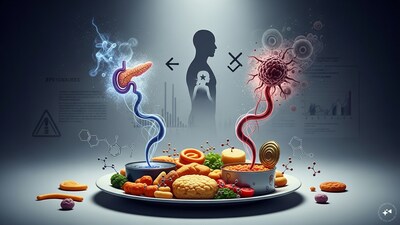
What happened: A French study suggests that higher consumption of food preservatives may be linked to a modestly increased risk of cancer.
Why it matters now: These findings could influence regulations on preservatives and how the food industry uses additives in processed foods.
What changes for people: Consumers may want to monitor preservative intake and be more selective with packaged or processed foods.
Who is affected: Adults consuming industrially processed foods, public health authorities, and food manufacturers.
Researchers analyzed data from 105,260 participants in the NutriNet-Santé cohort study, aged 15 and older, who were free from cancer at enrollment. The study tracked dietary intake and health outcomes over 7.5 years, using 24-hour brand-specific dietary records and official medical records to identify cancer cases up to December 2023.
What the study found
The analysis focused on 17 common preservatives, including:
Citric acid
Lecithins
Sulfites
Sodium nitrite
Potassium sorbate
Sodium erythorbate
Potassium nitrate
Preservatives were categorized as:
Non-antioxidants – prevent microbial growth or slow chemical spoilage
Antioxidants – reduce oxygen to prevent food deterioration
The researchers found a modest increase in cancer risk associated with higher intake of both antioxidant and non-antioxidant preservatives, though the effect size was small.