
App vs. Cook Aunty: Bengal Election Ends, But Will India Go Back?
Urban India rethinks reliance on traditional help after experiencing app-based services.
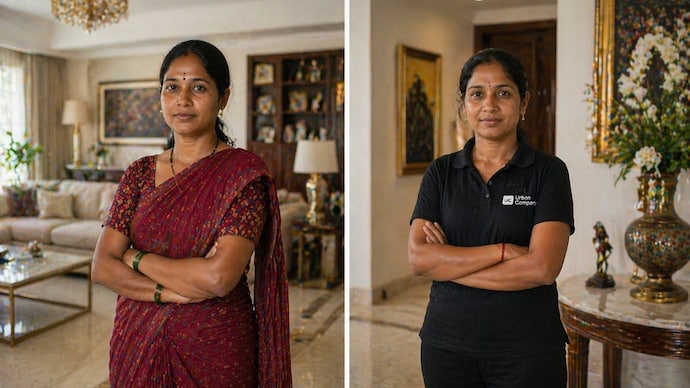
Top Summary
- What happened: After the Bengal election, families are considering whether to return to traditional domestic help.
- Why it matters: The convenience and efficiency of app-based services are challenging traditional norms in urban households.
- What changes for people: Households may shift towards a hybrid approach, combining traditional help with on-demand app services.
- Who is affected: Cook aunties, bartan-pocha wali didis, and urban families across Tier 1 cities.
The Post-Election Dilemma
The Bengal election's conclusion brings a familiar question to urban Indian households. Will families revert to employing their regular domestic help?
Many families, however, have discovered the convenience of app-based services during the election period. This raises a significant question about the future of domestic help.
The Rise of App-Based Alternatives
An app offering domestic help in under 15 minutes has proven surprisingly efficient. It's changing habits in Tier 1 cities.
We surveyed 10 families and their response reveals a shift in perspective. What started as a temporary fix is becoming a new norm.
Habits Are Changing
The study highlights the ease and speed of app-based services. Urban India is embracing the efficiency it offers.
The quiet efficiency of the apps are tempting more Indians to retain the service. Even with the return of their usual help.
What to Watch Next
The evolving dynamics between traditional domestic help and app-based services will be interesting to watch. The future may involve a blend of both models, catering to diverse needs and preferences in urban India.