
Andhra Plans Big Move: Social Media Ban for Under-16? Minister Confirms Review of Global Model
In a move that could reshape the digital habits of lakhs of young users, the Andhra Pradesh government is considering a social media ban for...
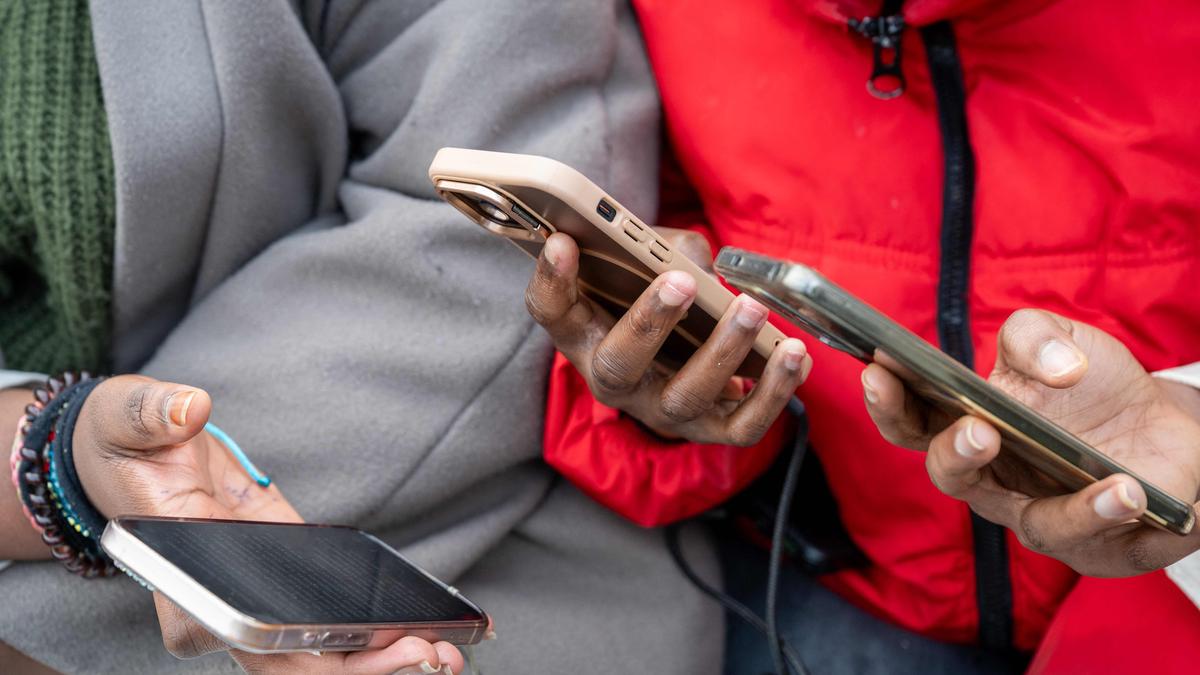
In a move that could reshape the digital habits of lakhs of young users, the Andhra Pradesh government is considering a social media ban for children below 16 years, inspired by a recently passed Australian legislation that has gained international attention.
The proposal, which is still at an early stage, was confirmed by Andhra Minister for Information Technology and Education, Nara Lokesh, during a media interaction on Wednesday. Lokesh hinted that the government is closely evaluating the global framework before drafting a similar policy for Andhra.
🌐 What Triggered the Idea? Australia’s Bold Digital Safety Law
Australia recently enacted a pioneering child safety law banning access to major social media platforms—including TikTok, Instagram, Snapchat, and Facebook—for children under 16.
The objective:
Reduce exposure to cyberbullying
Limit addictive screen time
Prevent mental health deterioration linked to online platforms
This initiative has caught the attention of policymakers worldwide, including India.
🇮🇳 What Andhra Minister Nara Lokesh Said
Lokesh revealed that the Andhra government has begun a formal review of:
Australia’s child-safety framework
Implementation strategies
Impact assessments from global experts
“We are studying the legislation closely. If needed, Andhra will bring similar safeguards to protect our children,” Lokesh said.
He added that the final decision will follow consultations with:
Educationists
Digital safety experts
Mental health professionals
Parents’ associations
Tech companies operating in India
👦📱 Why the Ban Is Being Considered
Officials in Andhra say they are concerned about increasing incidents involving children under 16:
🔹 Digital addiction
Several schools have reported students showing signs of sleep loss, decreased academic focus, and dependency on short-video platforms.
🔹 Online harassment
A rise in cyberbullying, impersonation, and unsolicited chats affecting minors has raised alarm.
🔹 Mental health impact
Psychologists in the state have shown data connecting excessive social media use with anxiety, behavioral changes, and reduced concentration among teenagers.
🔹 Rise in misinformation exposure
Younger children are increasingly falling prey to AI-generated deepfakes, clickbait content, and misleading viral posts.
⚖️ What Could the Andhra Policy Look Like?
While the government has not drafted the final guidelines yet, early discussions suggest the policy may include:
1️⃣ Age verification for all social media accounts
Platforms may be required to verify the user’s age using Aadhaar-linked authentication or OTP-based parental approval.
2️⃣ Mandatory parental controls
Parents may get dashboard access to monitor screen time and app usage.
3️⃣ Time restrictions for minors
Apps could auto-log out minors after a fixed number of minutes per day.
4️⃣ School-level digital safety modules
Training for children on safe browsing, cyber hygiene, and reporting mechanisms.
5️⃣ Heavy penalties for platforms violating guidelines
Non-compliant apps may face fines or operational restrictions.
🗣️ Public Response: Mixed Reactions in Andhra
The proposal has sparked a lively debate across the state.
👍 Supporters say:
Children will focus more on studies
Mental health and safety will improve
Schools will face fewer distractions
Online predators can be controlled
👎 Critics argue:
A blanket ban might be difficult to implement
It limits digital exposure in a tech-driven world
Teenagers may switch to VPNs or unauthorized apps
Parents—not the state—should regulate usage