
Ancient Gold Rings in Thailand Reveal India Trade Links
Two 2,000-year-old gold rings found in Thailand, one with Brahmi script, confirm ancient Indian trade and cultural connections.
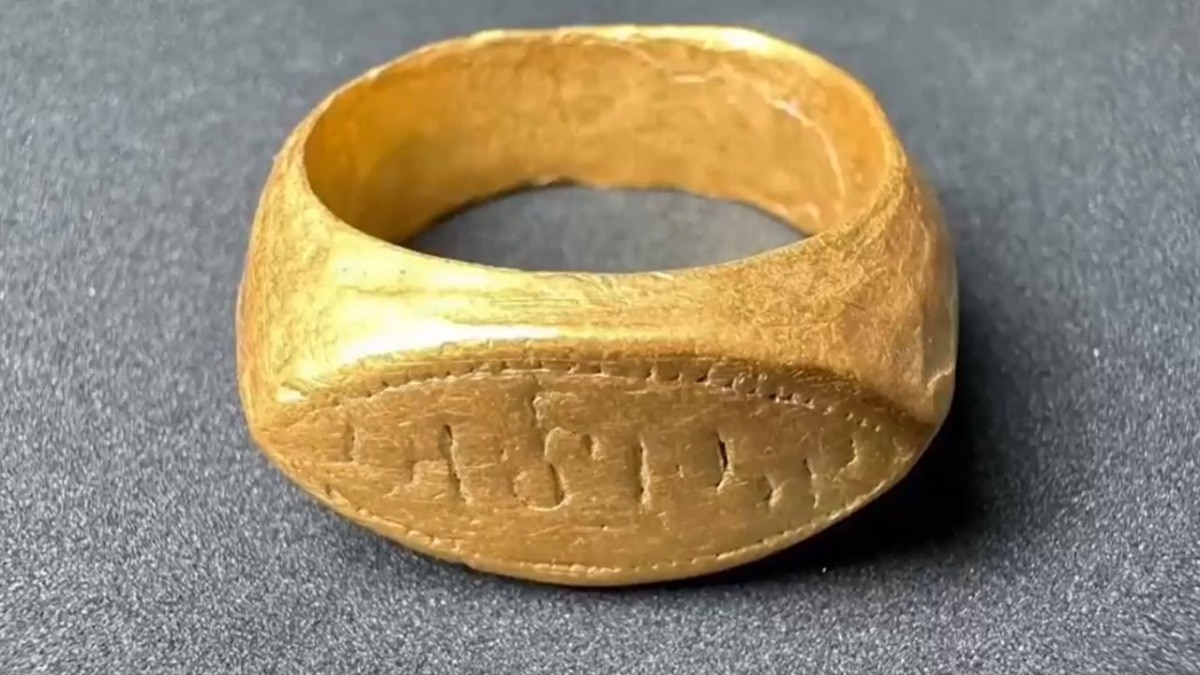
Ancient Indian Rings Unearthed in Thailand
Archaeologists in Thailand have discovered two 2,000-year-old gold rings at a new archaeological site. The find offers compelling evidence of ancient India's extensive trade and cultural ties with Southeast Asia.
The rings were unearthed at the Don Yai Thong site in Phetchaburi province, located approximately 130 kilometres southwest of Bangkok. This discovery is shedding new light on historical interactions between civilizations.
A Glimpse into Ancient Commerce
One of the gold rings bears an inscription in the ancient Brahmi script, a significant writing system from the Indian subcontinent. This marking has led experts to believe the ring belonged to an Indian merchant who lived nearly two millennia ago.
The inscription has been tentatively translated as "pusarakhitasa," meaning "the one protected by Pushya." This phrase refers to an auspicious sign in Indian astrology, further solidifying its Indian origin.
Evidence of a Merchant's Life
The second ring is a plain gold band, found alongside the inscribed one. Both were recovered from the same burial site, suggesting a shared owner or context.
Experts from Thailand's Fine Arts Department theorize that the owner may have been a member of the Vaishya caste, traditionally associated with trade and commerce. This points to established maritime trade routes predating the Common Era.
Don Yai Thong: A Window to the Past
The Don Yai Thong site itself dates back to Thailand's late prehistoric period, also known as the Iron Age, roughly 1,500 to 2,500 years ago. The site was first identified earlier this year after the discovery of ancient bronze drums.
Since excavations began in February, archaeologists have found eight human skeletons. Alongside the rings, other artifacts include bronze and gold jewellery, and pottery, indicating burials for individuals of wealth or high social standing.
Future Plans for the Discovery
The excavation is anticipated to conclude within the next month. Following the completion of the dig, the Fine Arts Department intends to make the recovered artifacts available for public display.