
Aman Gupta Rejects 9-to-5 Culture: Shark Tank India Judge Says He Wakes Without Alarms and Works on His Own Schedule
The boAt co-founder’s candid remarks about flexible work timing and late-night reel scrolling have sparked debate about productivity, leadership, and modern office culture. What happened:...
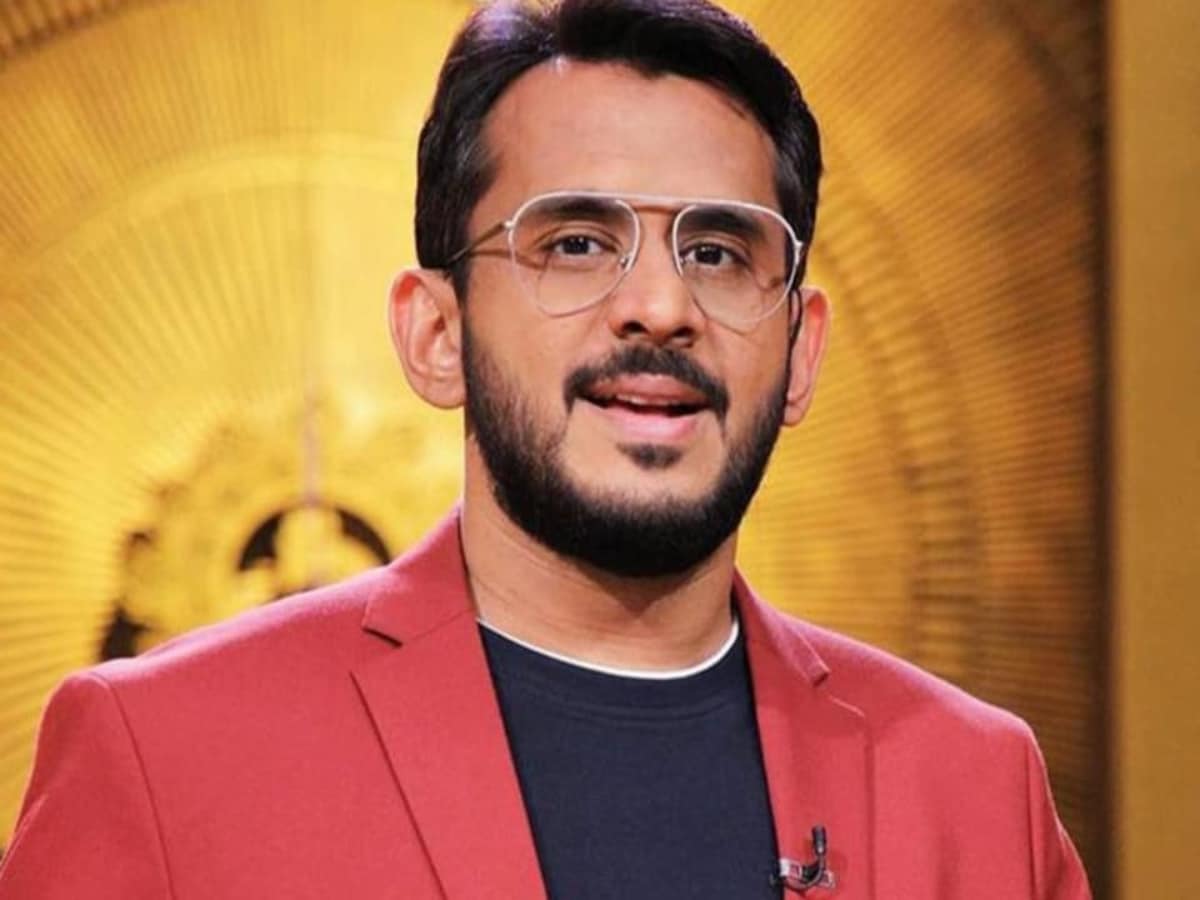
The boAt co-founder’s candid remarks about flexible work timing and late-night reel scrolling have sparked debate about productivity, leadership, and modern office culture.
What happened:
-
Shark Tank India judge and entrepreneur Aman Gupta revealed he doesn’t set alarms, wakes up when he wants, and doesn’t believe employees must reach offices at fixed hours like 9 or 10 am.
Why it matters now:
-
His comments arrive amid a growing national debate over work-life balance, startup culture, and flexible work policies in India’s corporate sector.
What changes for people:
-
Conversations around flexible schedules, hybrid work, and performance-based productivity may intensify — especially among younger professionals and startup founders.
Who is affected:
-
Startup employees, corporate teams, HR leaders, entrepreneurs, and viewers influenced by Shark Tank India’s business culture.
A candid look at Aman Gupta’s daily routine
In a recent conversation, Aman Gupta openly discussed his lifestyle — including an unusual approach to productivity. The entrepreneur said he avoids alarms completely, preferring to wake up naturally instead of following a fixed morning routine.
Key detail: Gupta admitted he spends around 1.5 to 2 hours watching social media reels at night, calling it an “addiction” but also part of his way to unwind.
He explained that his day doesn’t revolve around traditional office hours. With work happening through his phone and digital communication, he believes productivity can start from anywhere.
Why his views are gaining attention
India’s startup ecosystem has long been associated with long working hours and strict performance expectations. Gupta’s remarks challenge that stereotype.
By comparing himself to a tiger that wakes without alarms, he argued that rigid schedules may not suit everyone — especially creative leaders who prefer flexible workflows.
The comments quickly drew attention online, with many professionals debating whether flexible schedules actually improve output or risk creating blurred boundaries between work and personal life.
The growing shift toward flexible work culture
Across India and globally, companies are experimenting with hybrid work models and flexible timings. Gupta’s perspective reflects a broader shift where results — not office attendance — are becoming the main performance metric.
Supporters of flexible schedules say autonomy can boost creativity, reduce burnout, and help employees manage personal responsibilities. Critics, however, warn that leadership statements like this could create unrealistic expectations if not backed by strong accountability systems.
Key context: Several Indian startups have recently tightened office attendance policies, making Gupta’s relaxed stance stand out even more.
Multiple perspectives: inspiration or unrealistic privilege?
Some entrepreneurs see Gupta’s lifestyle as a symbol of modern leadership — one where success allows individuals to design their own routines.
Others argue that such flexibility may not apply to most workers who rely on structured schedules or customer-facing roles. HR experts note that while founders can often set their own hours, employees still need clarity around collaboration times and team coordination.
The discussion also raises questions about digital habits, especially Gupta’s admission of late-night reel consumption, which sparked mixed reactions online.
Impact on workplace conversations in India
Statements from high-profile startup figures often influence workplace culture trends. Gupta’s comments could fuel ongoing debates around:
-
Flexible working hours vs. traditional office discipline
-
Remote productivity and digital workspaces
-
Mental health and work-life balance in high-pressure industries
As India’s startup ecosystem matures, leaders may face increasing scrutiny over how personal work styles translate into company policies.