
AI model diagnoses brain MRI scans in seconds with 97.5% accuracy, researchers say
New system trained on 220,000 scans could transform neurological diagnosis and hospital workflow. What happened: Scientists at the University of Michigan developed an AI model...
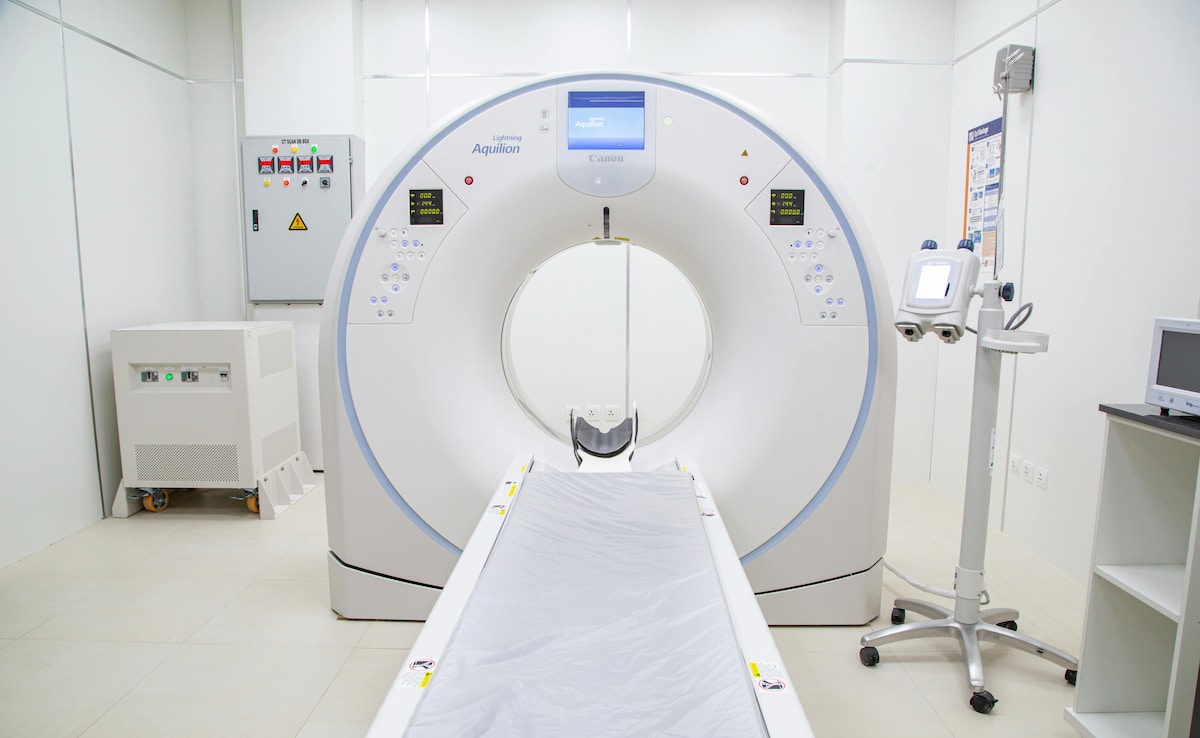
New system trained on 220,000 scans could transform neurological diagnosis and hospital workflow.
What happened:
-
Scientists at the University of Michigan developed an AI model called Prima that diagnoses brain MRI scans with up to 97.5% accuracy.
-
The model can identify more than 50 neurological conditions in seconds.
Why it matters now:
-
Faster MRI interpretation could significantly reduce diagnostic delays in hospitals, especially in emergency cases like strokes or brain injuries.
What changes for people:
-
Patients may receive quicker diagnoses and earlier treatment decisions.
-
Radiologists could use AI as a support tool to improve efficiency and reduce workload.
Who is affected:
-
Neurologists, radiologists, emergency departments, and patients undergoing brain imaging.
What is Prima and how does it work?
The AI system, named Prima, was trained using 220,000 brain MRI studies along with corresponding patient medical histories over a one-year period. By analysing patterns across vast datasets, the model learned to detect abnormalities and classify conditions with high precision.
Unlike traditional diagnostic tools that focus on one condition at a time, Prima is designed to recognise over 50 neurological disorders simultaneously, including tumours, stroke-related damage, degenerative diseases and inflammatory conditions.
Researchers say the model delivers results within seconds, dramatically cutting review time compared to manual interpretation.
Accuracy and clinical impact
According to the research team, Prima achieved up to 97.5% diagnostic accuracy during testing phases. This level of precision positions it among the most advanced AI-driven diagnostic tools developed for neuroimaging.
However, experts emphasise that the system is intended to assist — not replace — radiologists. Human oversight remains essential for contextual judgment, complex cases and final clinical decisions.
AI-assisted review could be particularly impactful in:
-
Emergency stroke evaluation
-
Rural or under-resourced hospitals
-
High-volume imaging centres facing staffing shortages
Why speed matters in brain diagnosis
Time-sensitive neurological conditions such as strokes, haemorrhages and traumatic injuries require immediate intervention. Even small delays in interpretation can affect patient outcomes.
By delivering rapid assessments, AI models like Prima could help clinicians prioritise urgent cases faster, potentially saving lives and reducing long-term disability.
In addition, automated screening may allow specialists to focus on complex or ambiguous scans rather than routine cases.
Broader implications for AI in healthcare
The development reflects a growing trend of integrating artificial intelligence into medical imaging. Over the past decade, AI tools have shown promise in detecting cancers, lung disease and cardiac abnormalities.
Supporters argue that AI can:
-
Improve consistency in reporting
-
Reduce diagnostic variability
-
Lower healthcare costs through efficiency
Critics caution that algorithms must be rigorously tested across diverse populations to avoid bias and ensure reliability in real-world settings.