
Africa Cup of Nations final overshadowed by refereeing anger
• What happened: The AFCON 2025-26 final in Rabat spiralled into controversy after multiple disputed referee decisions triggered protests from Senegal players.• Why it matters...
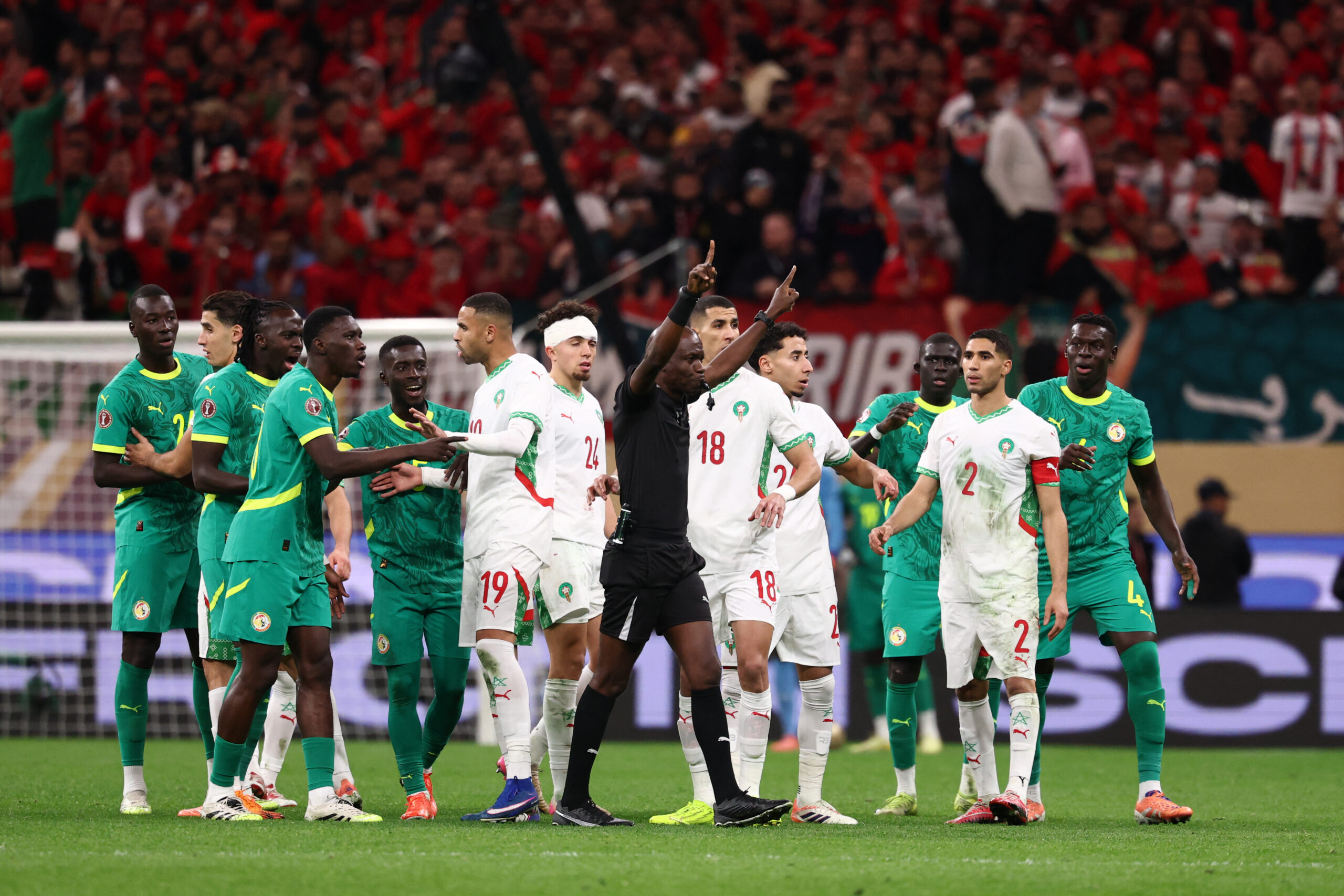
• What happened: The AFCON 2025-26 final in Rabat spiralled into controversy after multiple disputed referee decisions triggered protests from Senegal players.
• Why it matters now: Allegations that referees favoured hosts Morocco have escalated into a broader debate about officiating integrity in African football.
• What changes for people: The incidents may prompt new officiating reviews, potential disciplinary actions, and scrutiny on VAR protocols at major tournaments.
• Who is affected: Players, coaches, fans, CAF officials and international football bodies including FIFA.
The Africa Cup of Nations 2025-26 ended in turmoil as Senegal walked off the pitch during the final after a last-minute penalty granted to Morocco, amid earlier calls that saw a Senegal goal disallowed. The chaos delayed the match and highlighted deep mistrust over how the tournament was officiated.
For a competition that was praised for its organisation and fan turnout, the refereeing backlash has now become its defining story. Allegations of bias toward the host nation had already been circulating before the final, but the scenes on Sunday intensified pressure on African football authorities to respond.
Growing frustration throughout the tournament
In the quarter-finals, Cameroon argued they were denied a clear penalty, while in the semi-finals, Nigeria players publicly criticised the official for what they described as poor decision making. Coaches and players from multiple teams suggested the environment around Morocco games felt tense and hostile.
Morocco head coach Walid Regragui acknowledged the difficult atmosphere, stating that his team had been under constant suspicion of receiving favourable calls. He argued that Moroccan supporters and the team’s rising status on the continent meant their games drew extra scrutiny.
The final’s breaking point
The final’s flashpoint came when Congolese referee Jean-Jacques Ndala disallowed a Senegal goal, then moments later awarded Morocco a penalty after VAR consultation, prompting Senegal players to leave the field for nearly 20 minutes.
Refereeing analysts said Ndala appeared overwhelmed, citing a lack of authority during the prolonged stand-off. Former officials told AFP that both decisions were debatable, with one describing the penalty as involving minimal contact during a set-piece.
Under football rules, players who intentionally delay the restart of play or leave without permission can be cautioned, yet no such enforcement occurred during the protest. Analysts warned that the referee’s inaction contributed to the breakdown of order.
FIFA reacts as CAF faces pressure
On Monday, FIFA president Gianni Infantino condemned the conduct of some Senegal players, team staff and spectators, and urged the Confederation of African Football (CAF) to underline accountability and take appropriate measures. His remarks signal that the dispute has reached the highest level of world football governance.
CAF has not yet detailed how it will investigate refereeing standards or match incidents from the tournament. If sanctions or reviews are ordered, they could influence how VAR and officiating teams are deployed in future continental competitions.
Why it matters beyond sport
Concerns around officiating trust can impact more than just match outcomes. Experts warn that persistent disputes over referees can undermine:
• Sporting integrity and fan confidence
• Broadcast value and commercial partnerships
• Host nation reputations
• Security and stadium management, especially when tensions escalate in real time
With African football’s global profile rising and more players linked to European leagues, the demand for stronger officiating frameworks has become more urgent.