
Afghanistan–Pakistan Border Talks Enter Third Day Amid Threat of ‘Open War'
Afghanistan and Pakistan entered a third consecutive day of negotiations on Monday in Istanbul, seeking to secure a durable ceasefire after weeks of escalating border...
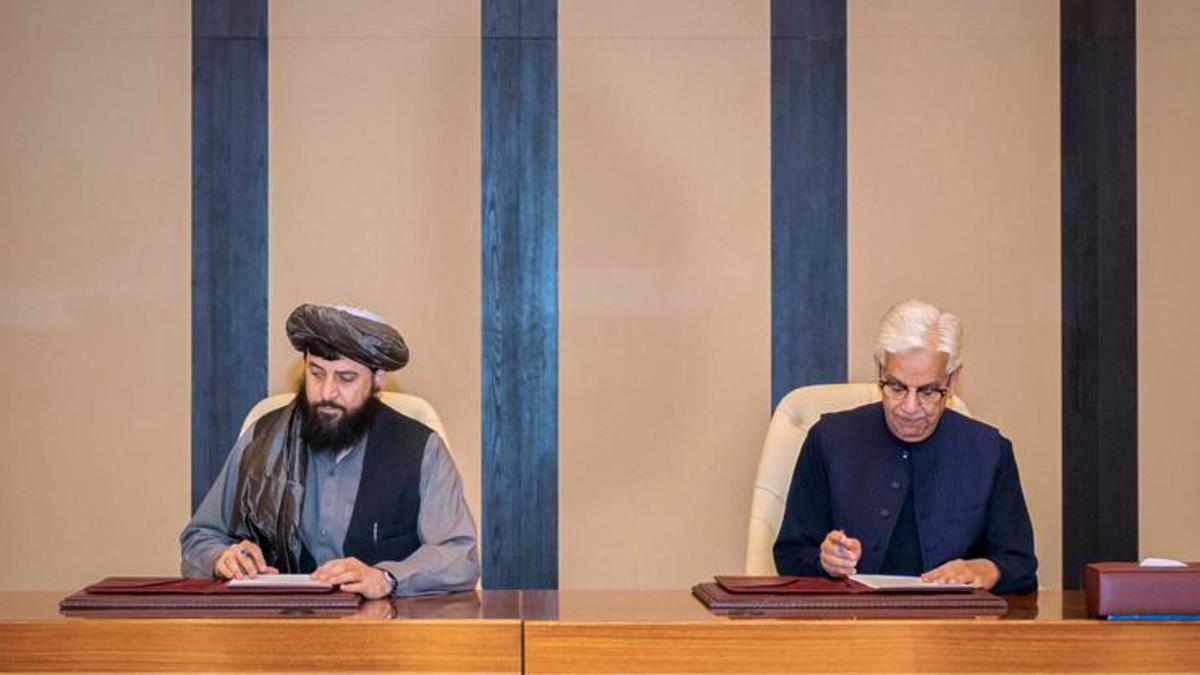
Afghanistan and Pakistan entered a third consecutive day of negotiations on Monday in Istanbul, seeking to secure a durable ceasefire after weeks of escalating border clashes that have killed dozens on both sides.
The ongoing talks — mediated by Qatar and Turkiye — come as tensions remain high following a series of deadly exchanges that began earlier this month. The Taliban-led government in Kabul launched a cross-border offensive two weeks ago after explosions in Kabul that Afghan authorities blamed on Pakistan. Islamabad responded with airstrikes on armed groups inside Afghan territory, triggering further violence and civilian casualties.
A 48-hour ceasefire announced shortly after the initial clashes quickly collapsed, but renewed diplomacy led to a second truce following discussions in Doha. The Istanbul round, which began on Saturday, aims to create mechanisms to uphold and monitor the fragile peace.
“The second phase of negotiations is ongoing; we cannot predict the outcome and must wait for the end of the meeting,” said Taliban government spokesman Zabihullah Mujahid, urging “dialogue and understanding” as the only path forward.
Pakistan, however, has expressed frustration over what it describes as “stubbornness and a lack of seriousness” from Taliban negotiators. A Pakistani security source told reporters that progress depends on the Afghan side’s willingness to take “verifiable action” against the Tehreek-e-Taliban Pakistan (TTP), which Islamabad accuses of using Afghan territory to stage attacks.
Pakistan’s Defence Minister Khawaja Asif warned over the weekend that failure to reach a settlement could lead to “open war.”
“If no agreement takes place, we have the option of open war with them,” Asif said in a televised statement.
Kabul, for its part, has denied harbouring militants and accused Pakistan of repeated airspace violations and supporting anti-Taliban groups. Afghan negotiators have reportedly demanded that Islamabad cease such activities and respect Afghanistan’s territorial integrity.
Meanwhile, on the sidelines of the ASEAN Summit in Malaysia, U.S. President Donald Trump told reporters that he could “solve the Afghanistan–Pakistan crisis very quickly,” though he did not elaborate on potential steps.
The latest Istanbul discussions represent the most serious attempt yet to de-escalate hostilities between the two nuclear-armed neighbours since the Taliban’s return to power in 2021.