
Afghanistan Moves to Restrict Pakistan’s Water Flow with Kunar River Dams
Kabul/Islamabad: Afghanistan has announced plans to build dams across the Kunar River “as soon as possible,” a move seen as a measure to limit Pakistan’s...
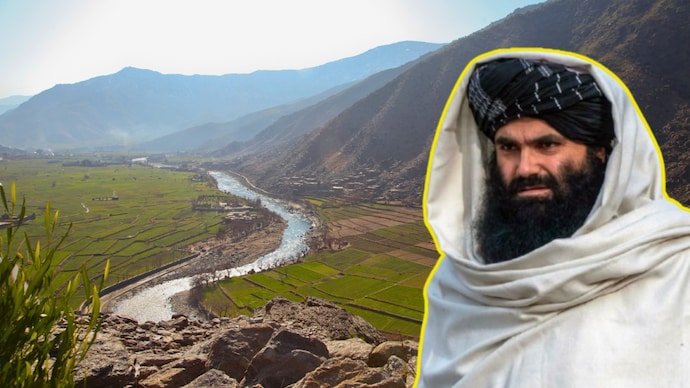
Kabul/Islamabad: Afghanistan has announced plans to build dams across the Kunar River “as soon as possible,” a move seen as a measure to limit Pakistan’s water access. The directive came from Supreme Leader Mawlawi Hibatullah Akhundzada, the Taliban’s acting Water Minister Mullah Abdul Latif Mansoor confirmed on social media platform X.
Mansoor said, “Afghans have the right to manage their own water,” adding that domestic firms will lead construction, not foreign companies. The decision comes amid rising tensions along the Durand Line, after Pakistan accused Kabul of supporting the Tehreek-e-Taliban Pakistan.
The Kunar River originates in Pakistan’s Chitral district, flows through Afghanistan’s Kunar and Nangarhar provinces, and merges into the Kabul River, which later enters Pakistan and joins the Indus River near Attock. This river system is a critical source of irrigation, drinking water, and hydroelectric power for Pakistan’s Khyber Pakhtunkhwa region.
Experts warn that if Afghanistan completes the dams before the river enters Pakistan, it could severely reduce water availability for farms and communities already affected by India’s restrictions under the suspended Indus Waters Treaty. Unlike the India-Pakistan water-sharing framework, there are no existing treaties governing Afghan waters, limiting Pakistan’s options to intervene.
Since the Taliban’s takeover in August 2021, the regime has focused on controlling rivers and canals to secure Afghanistan’s food and water resources. Projects like the Qosh Tepa canal, which could divert 21% of the Amu Darya river, illustrate the potential regional impact.
Last week, Taliban Foreign Minister Amir Khan Muttaqi visited India and acknowledged Indian support in building and maintaining a dam in Herat province, highlighting Afghanistan’s growing emphasis on water infrastructure as a strategic asset.