
5 Early Signs of Parkinson’s Disease: Neurologist Warns Against Ignoring Stiffness and Slow Movements
What happened: Experts highlight stiffness, slow movements, and reduced arm swing as early indicators of Parkinson’s disease. Why it matters now: These symptoms are often...
-
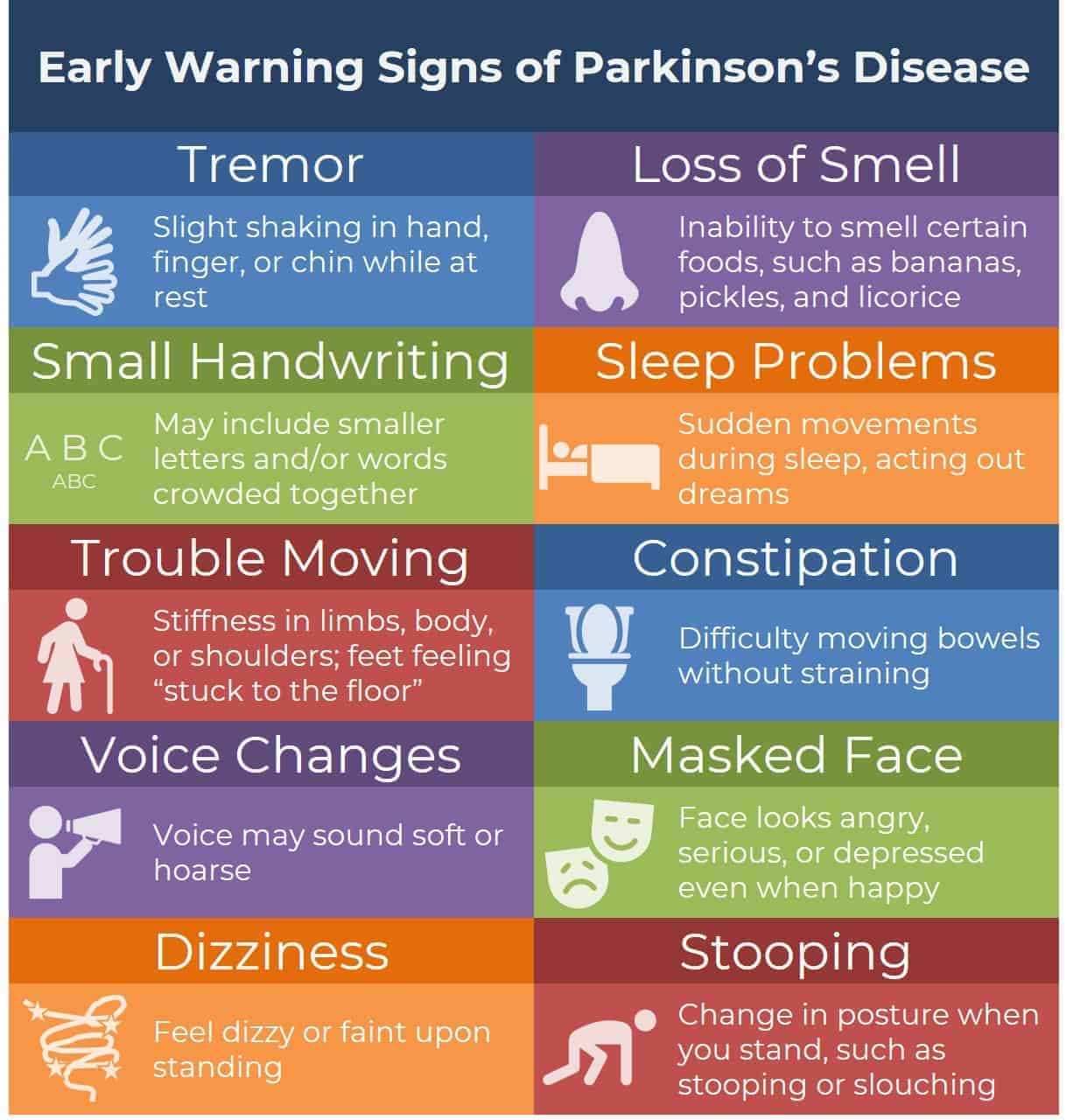
What happened: Experts highlight stiffness, slow movements, and reduced arm swing as early indicators of Parkinson’s disease.
-
Why it matters now: These symptoms are often mistaken for normal aging, delaying diagnosis and treatment.
-
What changes for people: Early recognition allows timely medical intervention, improving symptom management and quality of life.
-
Who is affected: Adults experiencing persistent muscle rigidity, slower daily movements, or movement asymmetry.
Recognizing Parkinson’s Early Can Transform Care
Neurologists are urging the public not to dismiss persistent stiffness, slower movements, or reduced balance as mere signs of aging. Parkinson’s disease, caused by the gradual loss of dopamine-producing neurons in the brain, can affect movement control, but early detection dramatically improves management and life quality.
Key Symptoms to Watch For
-
Difficulty Initiating Movement: Tasks like standing from a chair, walking, or reaching for objects may feel “stuck,” not due to weakness but delayed brain signaling.
-
Reduced Arm Swing: One arm may move less than the other while walking—a subtle early sign often overlooked.
-
Slowness in Daily Activities: Routine tasks such as buttoning a shirt, tying shoelaces, or brushing teeth take longer than usual.
-
Muscle Tightness: Persistent rigidity throughout the day, unlike age-related stiffness, indicates potential neurological issues.
-
Limb Rigidity: Arms or legs may feel heavy, stiff, or resistant to movement despite normal muscle strength.
Managing Parkinson’s Effectively
Early diagnosis allows for interventions including dopamine-enhancing medications, physiotherapy, and targeted exercises to maintain balance, flexibility, and mobility. In some cases, Deep Brain Stimulation (DBS) may be recommended when medications alone are insufficient.
Expert Advice
Dr. Shrawan Kumar Chaudhary, neurologist at Manipal Hospital, Jaipur, emphasizes that persistent stiffness and slow movements impacting daily life require professional evaluation. “Early detection and treatment of Parkinson’s can greatly improve symptom control and quality of life,” he notes.
Why Mobile Readers Should Care
With populations aging worldwide, distinguishing normal aging from Parkinson’s disease is crucial. Recognizing early warning signs ensures timely medical care, potentially slowing progression and maintaining independence.
What to Watch Next
Monitor updates on new diagnostic techniques and therapies for Parkinson’s. Experts also advise readers to schedule medical checkups if persistent stiffness or movement changes are noticed.