
2025 Women’s Cricket World Cup Kicks Off Amid Travel Chaos and Big Stakes
The 2025 ICC Women’s Cricket World Cup begins Tuesday in Guwahati and runs until 2 November, marking a dramatic evolution in the women’s game since...
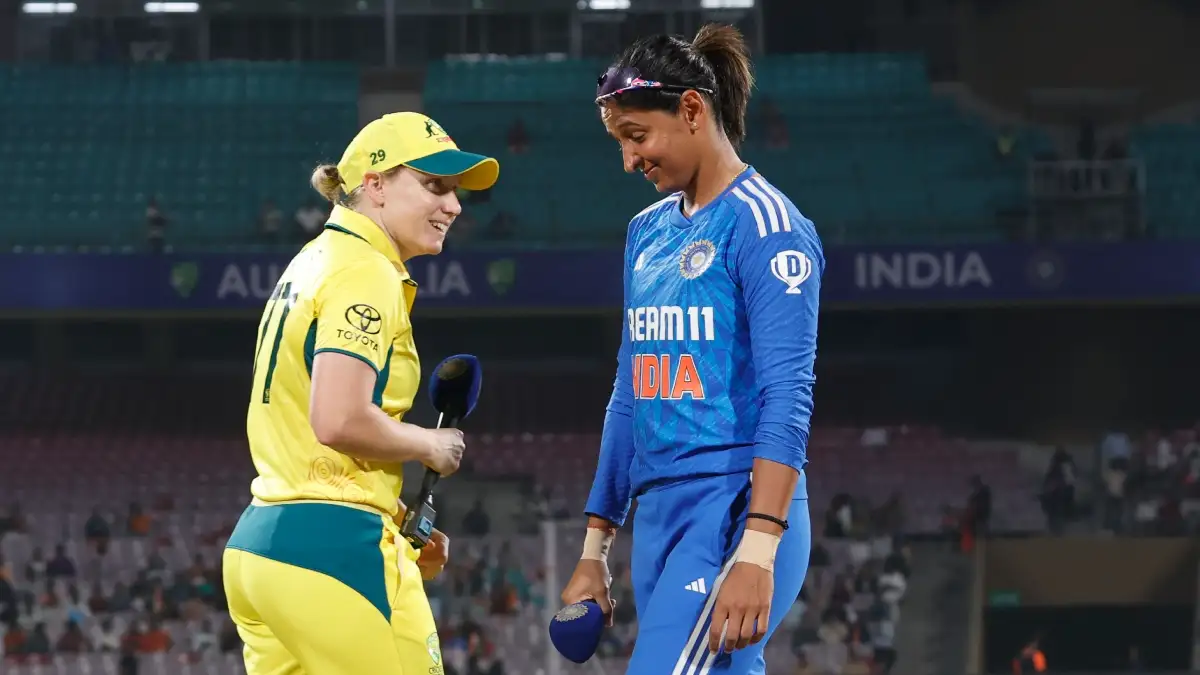
The 2025 ICC Women’s Cricket World Cup begins Tuesday in Guwahati and runs until 2 November, marking a dramatic evolution in the women’s game since 2013, when England’s Charlotte Edwards last toured India as a player. Back then, teams flew economy, players had no professional contracts, and a dietitian would have raised an eyebrow at Edwards packing a suitcase full of ketchup.
Big Prize Money, Big Progress
-
The total prize money for this tournament is $13.88 million, surpassing the $10 million prize pool of the latest men’s 50-over World Cup, highlighting the ICC’s recognition of women’s cricket’s growing market value.
-
The event follows the successful launch of the India Women’s Premier League in 2023, signaling the sport’s rapid professionalization.
Logistical Challenges and Travel Strain
-
ICC schedule changes, made for security reasons, have moved one semi-final (and potentially the final) from Bengaluru to Navi Mumbai.
-
Pakistan’s matches, including knockout games if they qualify, will be played entirely in Sri Lanka due to India-Pakistan political tensions.
-
Tickets went on sale less than a month ago, with promotion lagging behind even next year’s T20 World Cup.
Grueling Travel for Players
-
The round-robin format spans five cities, giving teams little rest or recovery time.
-
Travel distances for group-stage matches:
-
New Zealand: nearly 9,000 km
-
England: 7,000 km
-
Australia: 5,194 km
-
Pakistan: advantageously based in Colombo for the tournament
-
-
The packed schedule tests player endurance and squad management—Edwards’ ketchup anecdote may come in handy as a humorous reminder of simpler times.
Despite logistical hurdles, the 2025 World Cup represents a landmark moment in women’s cricket, combining record prize money, heightened professionalism, and international attention, even if travel and political constraints add an extra layer of challenge.