
US Strikes Iran, Trump Claims Tehran 'Begging for Deal'
US launches new strikes on Iran, as President Trump claims Tehran seeks a deal amidst escalating tensions.
Top Summary
- What happened: The US conducted further strikes on an airbase in Iranshahr, Iran, following earlier attacks on multiple coastal locations. President Trump claimed Iran is 'begging for a deal.'
- Why it matters: Escalating US-Iran military actions threaten a fragile interim deal and risk wider regional conflict.
- What changes: Increased military confrontation and heightened diplomatic uncertainty as both sides issue threats.
- Who is affected: Iran, the United States, and nations in the Persian Gulf region face direct and indirect consequences of the conflict.
US Intensifies Strikes on Iran
The United States has launched significant military strikes against Iran for a second consecutive day, targeting an airbase in the southeastern city of Iranshahr. This facility was reportedly partially utilized by the Islamic Revolutionary Guard Corps (IRGC).
These latest actions follow earlier reports of explosions across Iran's southern coast, impacting key locations including Bushehr, home to a nuclear power plant complex, and major port cities like Chabahar, Konarak, Bandar Abbas, and Sirik.
Trump Boasts of Superior Firepower
President Donald Trump has amplified his rhetoric, stating that the U.S. military would strike Iranian targets 20 times harder than Tehran targets ships in the Strait of Hormuz. This aggressive posturing comes as he shared video of the strikes.
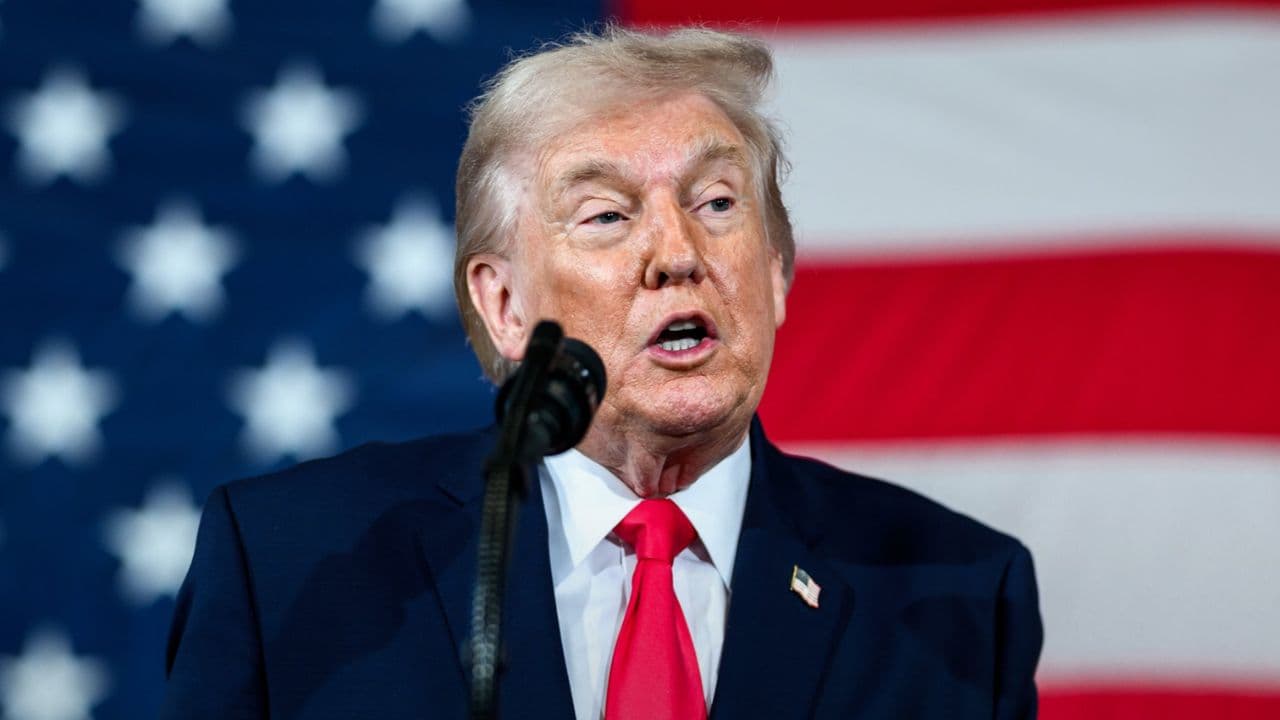
Trump also claimed that Iran is desperately seeking a truce. He told reporters, "Iran called a while ago. They want to make a deal so badly. I just don't know if they are worthy." However, he cast doubt on their commitment to any agreement.
Regional Repercussions and Iranian Defiance
The escalating US-Iran conflict has triggered retaliatory Iranian strikes targeting Bahrain, Kuwait, and Qatar. While Kuwait's military reported intercepting incoming threats, there has been no immediate confirmation of damage in these Gulf Arab nations.
This crossfire poses a significant threat to any potential interim deal aimed at de-escalating the ongoing war in the Persian Gulf. The Associated Press noted that Thursday's Iranian attacks appeared to be broader in scope.
Iran's Leadership Responds
Iranian officials have firmly rejected Trump's threats and claims. Parliament Speaker Mohammad Bagher Qalibaf asserted on X that the Strait of Hormuz would only open under 'Iranian arrangements,' warning, 'If you strike, you will be struck.'
Deputy Foreign Minister Kazem Gharibabadi characterized Trump's statements as an admission of policy failure, stating, "Trump's statements today... are not a sign of strength, but rather an admission of the failure of a policy built on brute force." He suggested that only force could be understood by the US President.
Foreign Minister Seyed Abbas Araghchi echoed this sentiment, stating that addressing Iran with "derogatory language does not diminish its greatness." He added, "We do not answer vulgarity with vulgarity, but with action: fearlessly and with great valour."
Past Threats and Future Intentions
Trump has previously renewed threats to target Iran's civilian infrastructure, including power and desalinisation plants, and to seize the oil hub of Kharg Island. He indicated that any further action from the US would be swift, and suggested the military might "just finish the job."
Following attacks on three tankers earlier in the week, Trump declared the interim deal "over" but allowed negotiations to continue. He also previously expressed doubt about the worthiness of Iran to honor a deal.
What to Watch Next
Future developments will hinge on whether diplomatic channels can be reopened or if the military escalation continues to spiral. The response of regional powers and international bodies to this heightened tension will be crucial.