
Protein Cravings? Gut-Brain Link Reveals Why You Need That Steak
New research unveils the gut-brain connection driving protein cravings, not just psychology.
Top Summary
- What happened: A new study identifies a gut-brain link that triggers cravings for protein when the body is deficient in essential amino acids.
- Why it matters: Challenges the traditional view of cravings as psychological, revealing a biological basis for dietary choices and subclinical protein malnutrition in India.
- What changes for people: May lead to more targeted weight management strategies and treatments for metabolic disorders by addressing root nutrient deficiencies.
- Who is affected: Individuals with protein deficiencies, those struggling with weight management, and researchers developing new therapies.
The Gut-Brain Connection Decoded
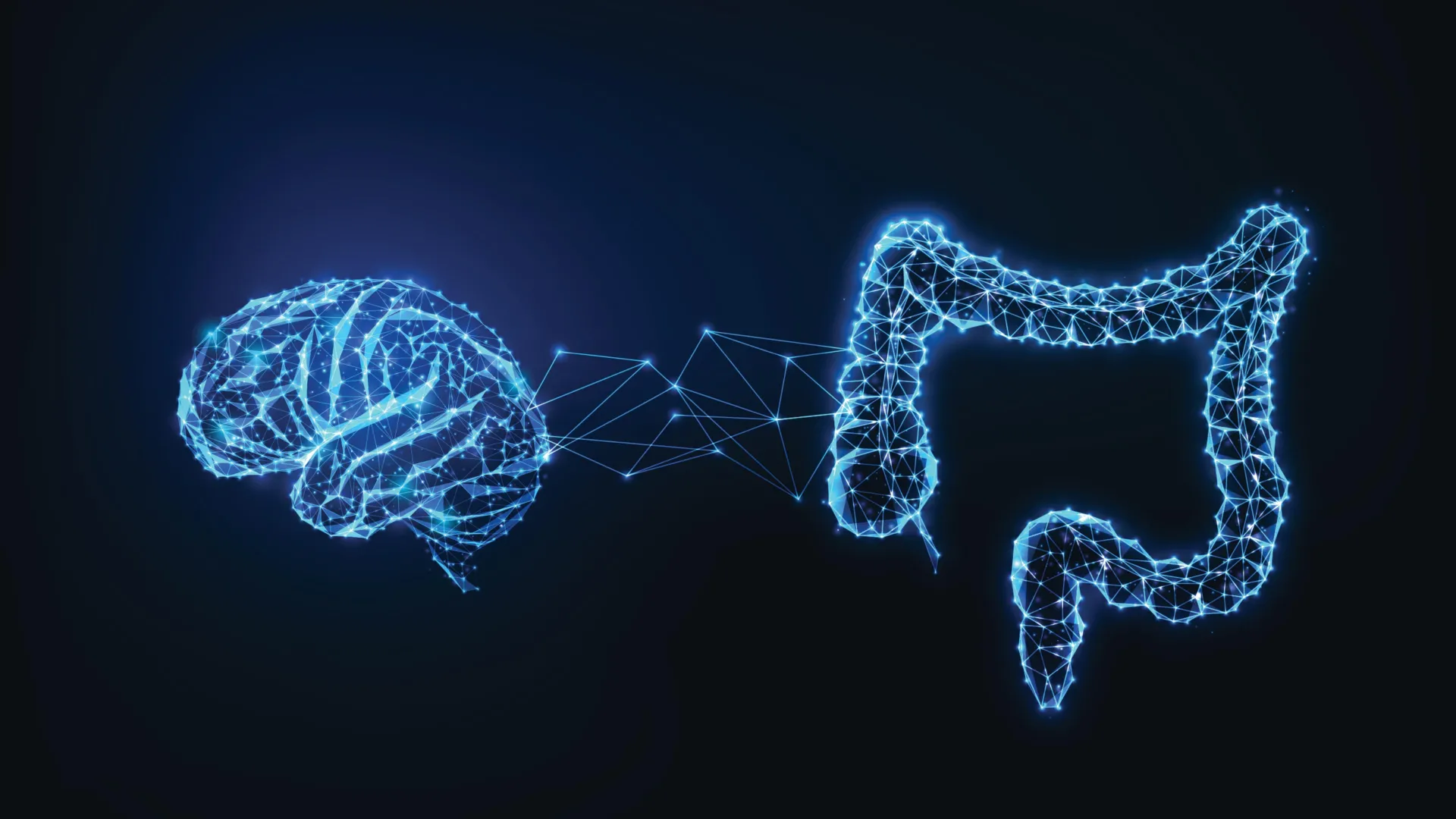
For years, protein cravings were dismissed as simple psychological preferences. However, a new study published in the Science journal reveals a complex gut-brain link that drives these cravings.
The research, led by Director Suh Seong-Bae from the Institute for Basic Science (IBS), shows the gut acts as an intelligent sensor, actively monitoring nutrient levels and dictating dietary choices.
How the Gut Signals Protein Deficiency
When the gut detects a depletion of essential amino acids, it initiates a dual-track communication protocol with the brain. The gut secretes a peptide hormone called CNMamide (CNMa).
Within 30 to 60 seconds, CNMa activates gut-associated enteric neurons, sending an immediate warning signal to the brain. Simultaneously, CNMa enters the bloodstream, acting as a slower but sustained alarm.
Silencing the Sweet Tooth
The gut-brain circuit doesn't just increase overall hunger, it selectively adjusts feeding priorities. To encourage protein intake, it actively suppresses sugar cravings.
The study demonstrated that CNMa physically restrains the activity of DH44 neurons, which are brain cells that sense sugar. This effectively clears away the desire for sweets.
The Microbiome's Influence
The research team found that the gut-brain communication system is heavily influenced by the gut microbiome. Laboratory models lacking native gut bacteria showed heightened activation of amino-acid-seeking brain neurons.
This suggests a disrupted microbiome can distort nutrient signaling, potentially triggering erratic cravings. The system operates independently of FGF21, a liver hormone previously thought to solely regulate protein appetite.
Implications for Weight Management
This discovery has significant implications for weight management and the development of new therapies. Current appetite-control drugs mainly target generic satiety centers.
- Refining Modern Weight Solutions: Targeting generic satiety centers in the brain.
- Developing Targeted Treatments: Understanding the CNMa and DH44 pathways to treat metabolic disorders.
- Prioritizing Structural Satiety: Recognizing the need for adequate protein intake over calorie counting.
The study emphasizes the importance of respecting the gut's biological demands for amino acids, rather than simply counting calories.
What to Watch Next
Future research will likely focus on developing targeted therapies for metabolic disorders by repairing broken nutrient-sensing mechanisms in the gut-brain axis. Expect to see further investigation into the role of the microbiome in modulating these pathways and its potential for personalized nutrition strategies.