
PM Modi Slams 1975 Emergency on 51st Anniversary, Calls it 'Darkest Chapter'
PM Modi condemned the 1975 Emergency as democracy's "darkest chapter" on its 51st anniversary, stressing vigilance.
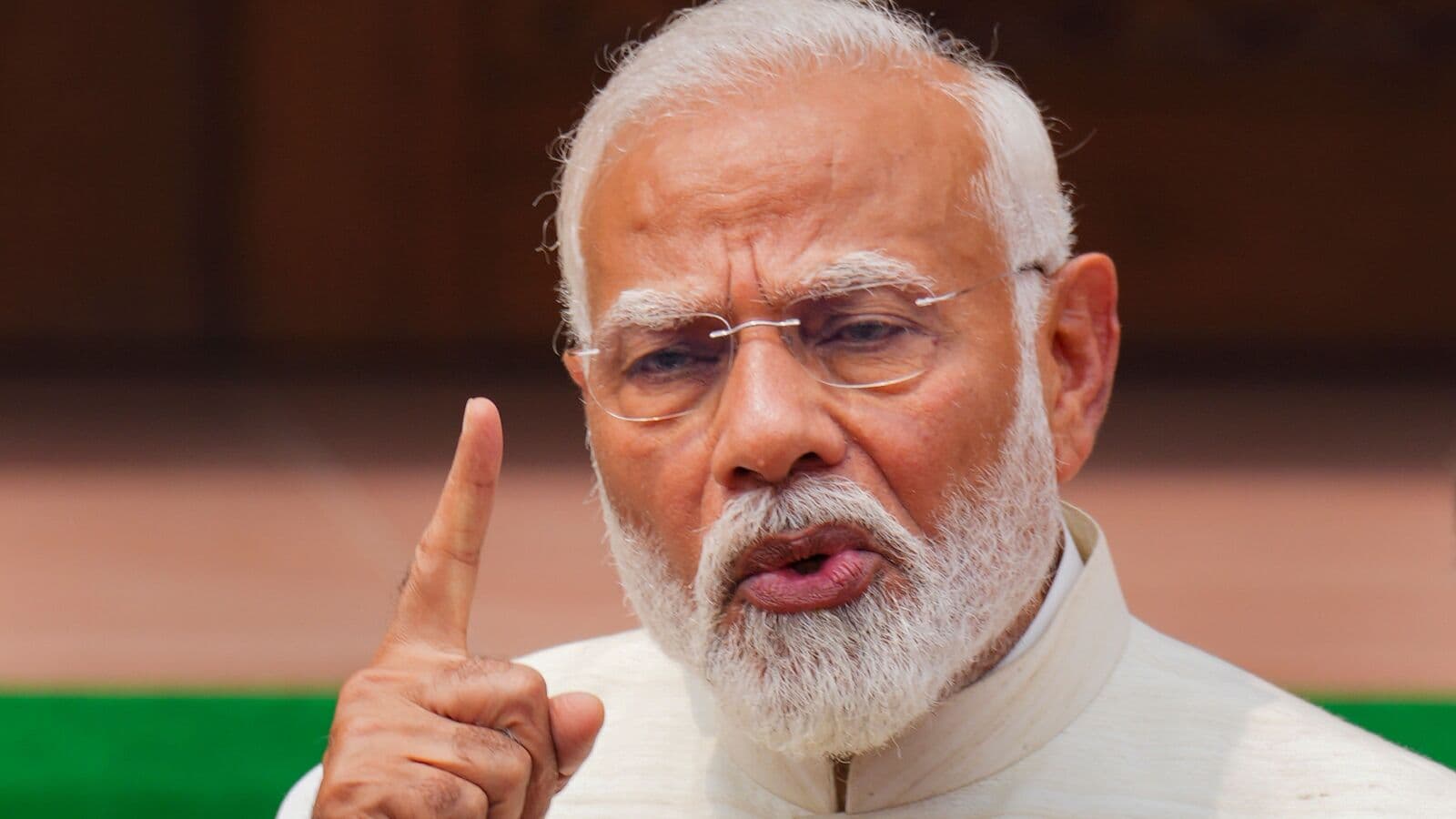
Top Summary
- What happened: Prime Minister Narendra Modi and other BJP leaders marked the 51st anniversary of the 1975 Emergency, describing it as a direct attack on democracy.
- Why it matters: The Emergency is recalled as the "darkest chapter" for Indian democracy, emphasizing the importance of protecting constitutional values and civil liberties.
- What changes: The annual observance of June 25th as "Constitution Assassination Day" aims to educate youth about historical events and democratic principles.
- Who is affected: All citizens, particularly youth, are encouraged to learn from this period. Political discourse between ruling and opposition parties is annually reignited.
PM Modi's Stern Rebuke
Prime Minister Narendra Modi on Thursday strongly condemned the 1975 Emergency, marking its 51st anniversary. In a social media post, he labeled the period as the "darkest chapter" in Indian democracy's history.
The Prime Minister asserted that the Emergency was more than just a political decision. He described it as a direct assault on the nation's Constitution and democratic framework, severely impacting civil rights and freedom of expression.
Recalling the Dark Period
Modi recalled how the independence of the judiciary, press freedom, and fundamental rights of ordinary citizens were suppressed during those 21 months. He emphasized the crucial need for the country to learn from this historical event and remain vigilant.
This vigilance, he stated, is essential to prevent any future crisis from imperiling democratic institutions. The Prime Minister also paid tribute to all individuals who bravely spoke out against the Emergency and struggled to protect democracy.
"Their contribution forms the foundation of Indian democracy's strength, and coming generations should draw inspiration from their sacrifice," PM Modi stated.
BJP Leaders Echo Sentiments
Defence Minister Rajnath Singh joined the chorus, calling the Emergency a "black stain" on democracy. He highlighted it as a period when efforts were made to weaken constitutional institutions.
Singh underscored that such incidents in a democratic nation like India must always be remembered as a warning. Uttar Pradesh Chief Minister Yogi Adityanath also reacted, terming the Emergency period a "serious attack on democratic values."
Adityanath noted that numerous political leaders, social activists, and journalists were imprisoned, and public voices were suppressed. Other BJP leaders across various locations also expressed their views against the Emergency and honored those who defended democracy.
"Constitution Assassination Day" and Political Discourse
The Centre had declared June 25th as "Constitution Assassination Day" (संविधान हत्या दिवस) in July 2024. Since then, various programs are organized nationwide annually on the Emergency's anniversary.
These events aim to educate young people about the historical context of the Emergency and enhance awareness of democratic values. Political analysts note that such annual statements carry significant political weight.
They serve not only to recall history but also to influence current political discourse. Opposition parties, however, often view these statements differently, considering them part of ongoing political blame games.
Historical Context and Lingering Debate
The Emergency was imposed on June 25, 1975, by then-Prime Minister Indira Gandhi's government, lasting for approximately 21 months. During this controversial period, harsh measures were implemented.
These included press censorship, widespread political arrests, and severe restrictions on civil liberties. These actions are widely regarded as a significant and divisive chapter in India's democratic history.
Even 51 years later, the Emergency remains a constant subject of political and social discussion. Its anniversary annually intensifies ideological debates between the ruling and opposition parties.
What to Watch Next
The annual observance of the Emergency's anniversary is likely to remain a focal point for political discourse. Future commemorations will continue to shape public memory and influence ongoing debates on democratic principles and civil liberties in India.