
New Molecule OLE Reprograms Brain Immune Cells to Combat Alzheimer's, Boosts Memory
Scientists discovered OLE, a molecule that reprograms brain immune cells, potentially fighting Alzheimer's and improving memory.
Top Summary
- What happened: Researchers identified OLE, a newly discovered molecule that reprograms the brain's immune cells (microglia) in Alzheimer's disease models.
- Why it matters: This breakthrough restored protective functions, significantly reducing toxic plaques and improving memory performance in studies.
- What changes: The discovery offers a promising new therapeutic strategy, suggesting that the cellular impairment in Alzheimer's disease could be reversed.
- Who is affected: Individuals with Alzheimer's disease could potentially benefit from future therapies developed from this research.
Pioneering Discovery in Alzheimer's Research
A significant breakthrough in Alzheimer's research has emerged with the identification of a new experimental molecule. Known as OLE, this compound appears to restore the brain's natural defenses against the debilitating disease.
Scientists report that OLE can effectively "reprogram" microglia, which are the brain's crucial immune cells. This reprogramming allows these cells to regain some of their vital protective abilities.
The treatment has shown promising results by reducing the accumulation of toxic plaques and improving memory performance in Alzheimer's disease models.
The research was spearheaded by Jose Vicente Sanchez Mut from the Institute for Neurosciences (IN CSIC-UMH) in Spain and Johannes Graff of EPFL in Switzerland. Their findings were published in the esteemed journal Cell Death and Disease.
Targeting Alzheimer's: How OLE Works
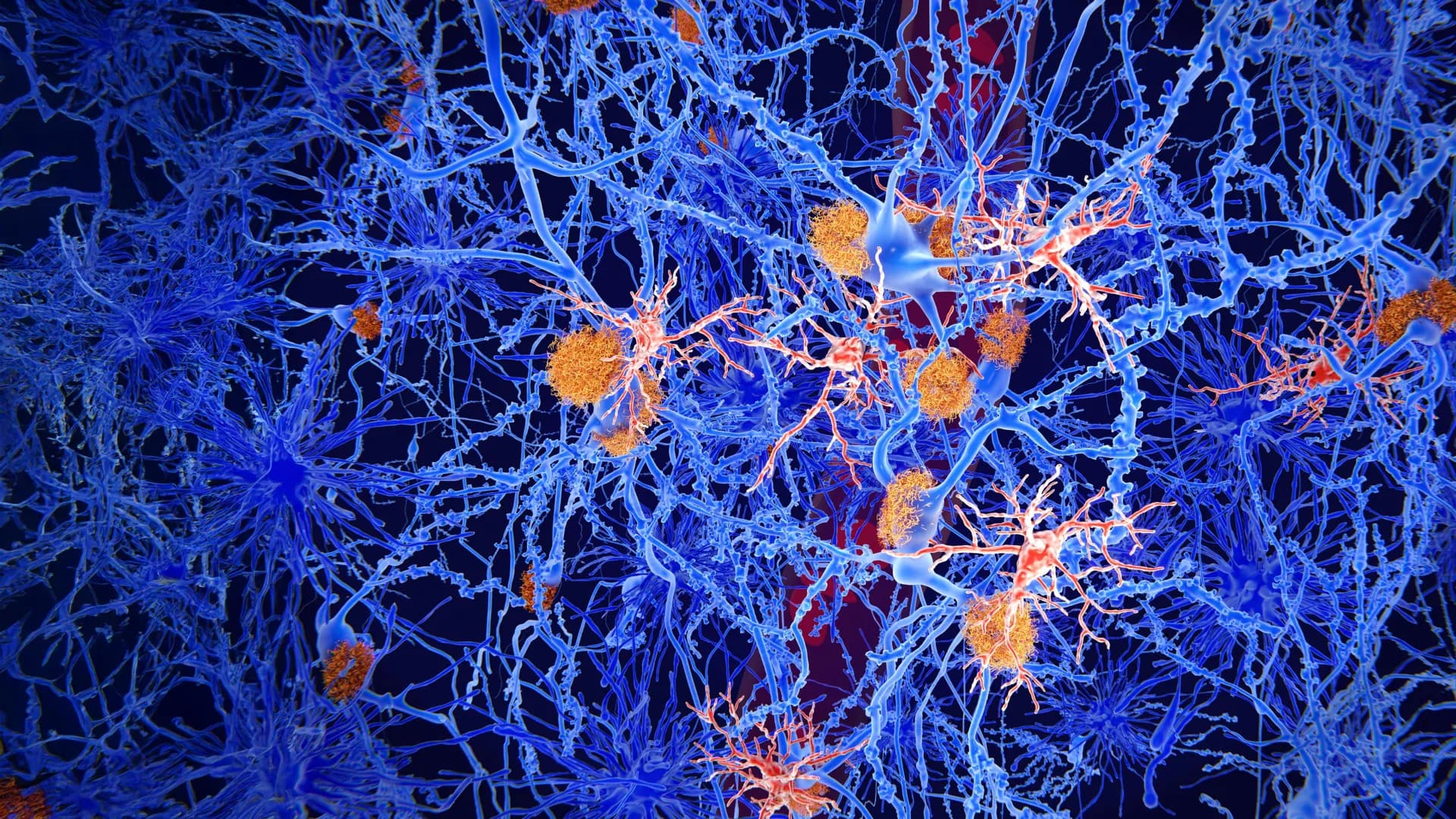
One of the primary hallmarks of Alzheimer's disease is the harmful buildup of beta-amyloid plaques in the brain. Simultaneously, microglia, which typically help clear these toxic deposits, become progressively less effective.
As these protective functions decline, the impaired microglia inadvertently contribute to damage in brain cells. Researchers discovered that OLE, a molecule produced by the PM20D1 gene, can restore microglia to a more protective state.
Following OLE treatment, microglia migrated towards the beta-amyloid plaques and formed a protective barrier around them. This action reduced direct contact between the plaques and surrounding neurons.
Consequently, the harmful effects of these plaques on brain tissue were significantly diminished, offering a novel approach to combating the disease's progression.
"One of the most significant findings is that we have identified a molecule capable of restoring microglia's protective function," explains Sanchez Mut. "In Alzheimer's disease, these cells become progressively impaired. Our results suggest that this process can be reversed, pointing to new therapeutic and research avenues to counteract the disease."
Promising Results in Animal Models
To thoroughly evaluate OLE's effects, the researchers utilized several experimental models. The first involved genetically modified worms (C. elegans) that produce beta-amyloid.
These worms develop disease-related damage quickly, making them a useful model for studying toxicity. Treatment with OLE reduced the buildup of protein aggregates and improved the animals' movement, indicating a clear protective effect.
The team then extended their testing to mouse models of Alzheimer's disease. Mice received OLE for a period of three months.
Following this treatment, researchers observed both memory and brain changes. The treated animals performed notably better on memory tests and showed fewer beta-amyloid plaques compared to their untreated counterparts.
Microglia Show the Strongest Response
To gain a deeper understanding of OLE's mechanism, the researchers meticulously examined the activity of thousands of individual cells in the brain. Their detailed analysis revealed that microglia were the cells most strongly affected by the treatment.
Following exposure to OLE, microglia activated specific pathways involved in clearing beta-amyloid. Crucially, they also regained their crucial ability to move toward plaques and contain them effectively.
"Single-cell analysis allowed us to determine that microglia were the cells that responded most strongly to the treatment," says Victoria Pozzi, first author of the study. "From there, we observed that the compound helped these cells move toward beta-amyloid plaques and better contain the damage associated with the disease."
Additional experiments conducted in cell cultures produced similar robust results. Microglia treated with OLE were more effective at migrating towards beta-amyloid deposits and aiding in their removal.
In separate neuronal cultures exposed to conditions mimicking Alzheimer's disease, OLE significantly improved cell survival. This suggests that the compound may also directly protect neurons from damage.
What to Watch Next
The groundbreaking findings from this study are currently covered by two European patents, with one owned by the CSIC. This intellectual property strengthens the translational potential of the work significantly.
Researchers are optimistic that this discovery supports future efforts to develop novel therapeutic applications, offering new hope for effective Alzheimer's treatments.