
NASA to Deploy Lunar Rovers for Future Moon Base by Fall
NASA plans to send rovers to the Moon this fall, building toward a lunar base.
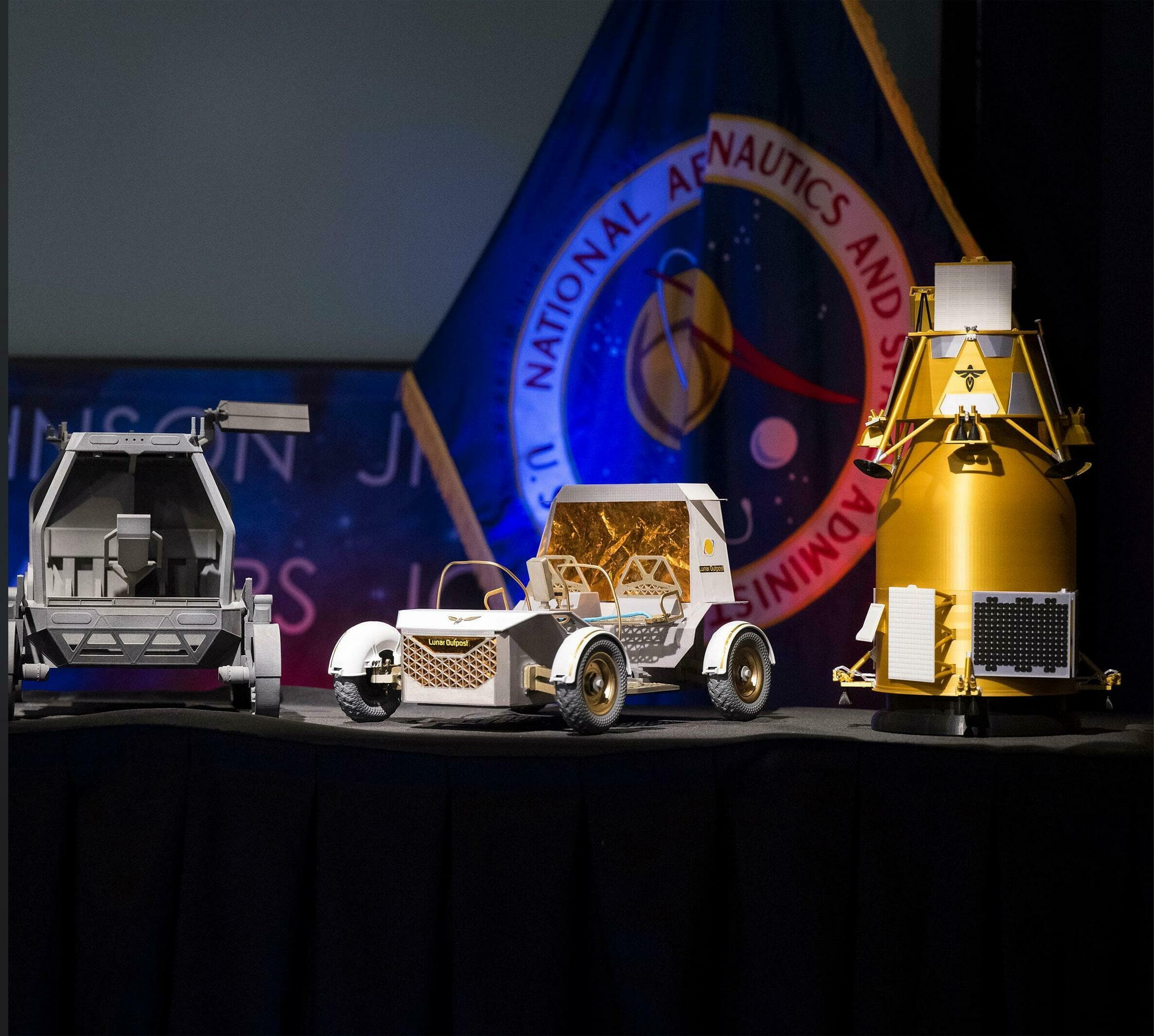
Top Summary
- What happened: NASA will begin deploying rovers to the Moon as early as this fall.
- Why it matters: This is a crucial step towards establishing a permanent human presence on the Moon.
- What changes: The Moon's surface will be prepared for the construction of a lunar base.
- Who is affected: Scientists, engineers, and future lunar inhabitants are impacted.
Building a Lunar Foundation
NASA is preparing to send the first rovers to the Moon, possibly as early as this fall. This initiative marks a key step in creating a permanent lunar outpost.
The lunar base aims to be the world's first long-term habitat on the Moon. NASA hopes to achieve human habitation by 2032.
Rovers' Critical Role
The early rover deployments are essential for readying the lunar surface. They'll pave the way for a smooth transition to long-term habitation.
The initial rover missions have multiple objectives, extending beyond simple exploration. Rovers will survey terrain and map potential base locations.
They will also test mobility in the Moon's challenging environment.
Data Collection & Infrastructure
Rovers will gather critical data on several key aspects. This includes soil composition, temperature variations, and structural stability.
These factors will significantly influence where and how the base can be constructed.
Multiple Functions
Rovers are expected to fulfill various roles as the program progresses. Beyond reconnaissance, they could assist in transporting materials.
Rovers may also be tasked with setting up equipment, and supporting construction efforts.
Design Challenges
Operating in low gravity and extreme conditions presents unique challenges. Rovers must be specially designed to withstand these factors.
- Abrasive lunar dust
- Significant temperature swings
- Communication delays with Earth
What to Watch Next
Keep an eye on the development of these specialized rovers. Their performance will be essential in determining the feasibility and timeline of the lunar base project, particularly regarding meeting the 2032 habitation goal.