
MP Waqf Board Reconstituted, First Non-Muslim Members Inducted
Madhya Pradesh creates history by including two non-Muslim members in its Waqf Board for the first time.
Top Summary
- What happened: The Madhya Pradesh government has reconstituted its Waqf Board, incorporating two non-Muslim representatives for the first time.
- Why it matters: This move makes Madhya Pradesh the first state in India to include non-Muslims on the Waqf Board under the Waqf (Amendment) Act, 2025.
- What changes: The aim is to ensure diverse representation, enhancing transparency, accountability, and efficiency in managing Waqf properties.
- Who is affected: The Waqf Board, its operations, and potentially the administration of Waqf properties will be impacted, drawing political and legal attention.
MP Creates History with Diverse Waqf Board
In a significant development, the Madhya Pradesh government has restructured the state Waqf Board. This reconstitution, enacted under the Waqf (Amendment) Act, 2025, marks a pivotal moment with the inclusion of two non-Muslim members.
The newly formed 10-member board now boasts a more diverse representation. This landmark decision positions Madhya Pradesh as the first state in India to take such a step.
New Leadership and Representation
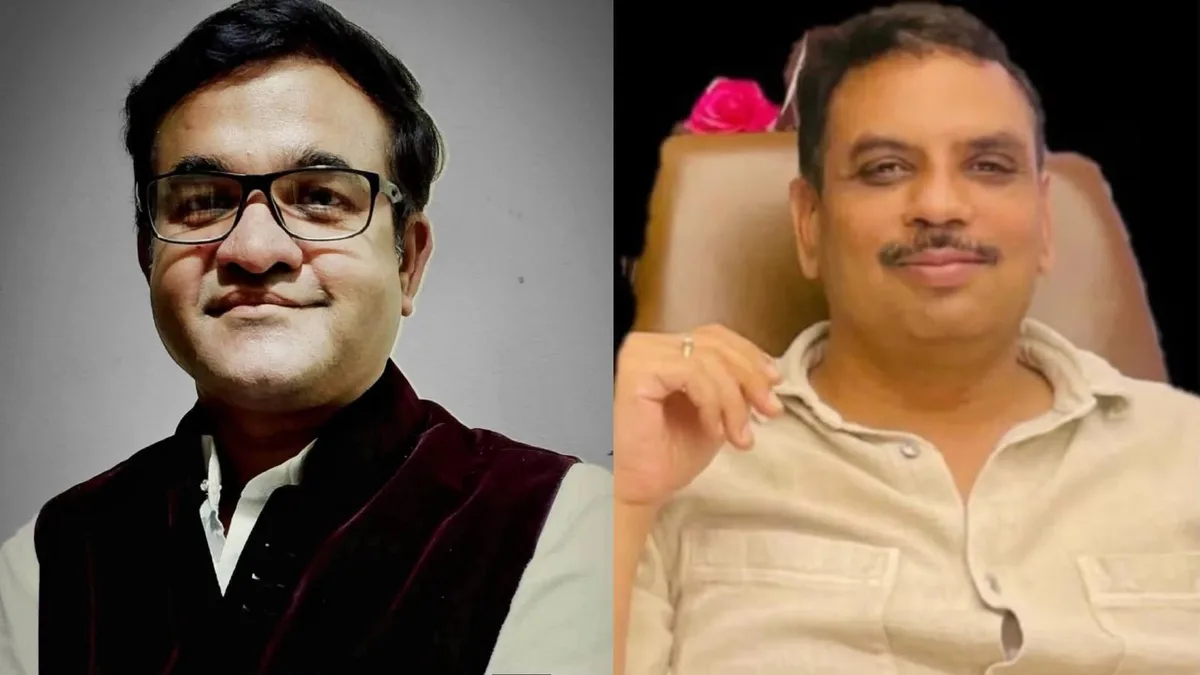
Following the government's official notification, Sanwar Patel has been appointed as the Chairman of the Madhya Pradesh Waqf Board. The two non-Muslim members joining the board are Manoj Malpani from Indore and Animesh Bhargav from Guna.
These appointments are in direct compliance with the provisions outlined in Section 14 of the Waqf (Amendment) Act, 2025. The government emphasized that this diversification aims to improve the oversight of Waqf properties.
Government's Stance on Transparency
The state government articulated its objective behind this reform. It stated that the new law seeks to ensure varied representation on the board.
The primary goal is to boost transparency, accountability, and efficiency in the management of Waqf properties across the state.
Political Reactions and Future Implications
The Bharatiya Janata Party (BJP) has lauded the decision. They believe it will significantly aid in the preservation and better administration of Waqf assets.
However, the move has ignited political controversy. The Congress party has voiced opposition, terming the induction of non-Muslim members as inappropriate. The party has declared its intention to approach the Supreme Court regarding this matter.
This decision is being closely watched in political and legal spheres. It is considered a crucial step forward in the evolving landscape of Waqf management under the Waqf (Amendment) Act, 2025.
Intensified political and legal debates are anticipated on this issue in the coming days. The implications for Waqf property governance across other states will also be a key focus.