
Major Step Towards Elephant Conservation: Scientific Corridor Study Begins in Bandhavgarh-Sanjay Region
The MP Forest Department began a scientific study of elephant corridors in the Bandhavgarh-Sanjay region to strengthen conservation, manage wildlife, and mitigate human-elephant conflict.
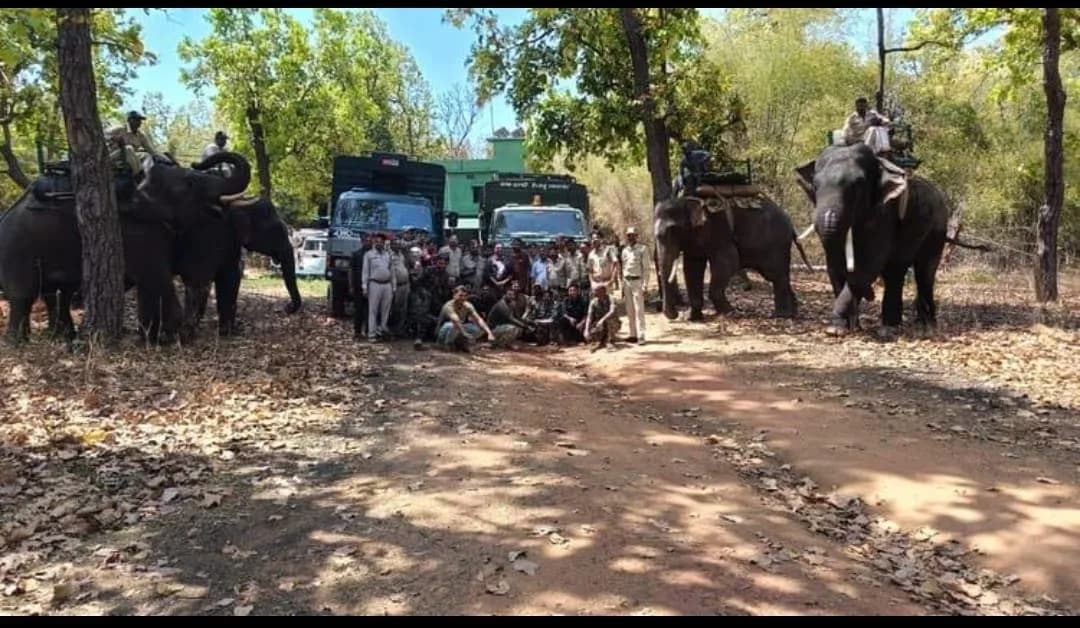
TOP SUMMARY
- WHAT HAPPENED: The Madhya Pradesh Forest Department initiated a comprehensive scientific study of elephant corridors in the Bandhavgarh-Sanjay region on July 18, 2026.
- WHY IT MATTERS: This study will strengthen elephant conservation efforts and help improve wildlife management in the state.
- WHAT WILL CHANGE FOR PEOPLE: The study will identify sensitive areas prone to human-elephant conflict, leading to better safety and the possibility of coexistence for local communities.
- WHO IS AFFECTED: Primarily the elephant population roaming the region, the overall wildlife ecosystem, and local communities residing in these areas will be affected.
Bhopal, July 18, 2026: The Madhya Pradesh Forest Department has taken a significant step towards wildlife conservation in the state. The department announced the initiation of an intensive scientific study of elephant corridors in the Bandhavgarh-Sanjay region.
Scientific Analysis of Elephant Corridors
This study will focus on identifying elephant movement routes, their natural habitats, and areas prone to human-elephant conflict. Its objective is to deeply understand elephant behavior and their ecological impacts. A team of experts will work on this project, utilizing the latest techniques and data analysis to ensure the information obtained is accurate and reliable.
Special Focus on Human-Elephant Conflict
A primary goal of the study is to map regions with high instances of human-elephant conflict. Identifying these sensitive areas will enable the development of effective strategies to mitigate conflict. This initiative will help create a safer environment for both elephants and local populations, fostering a model of coexistence.
Strengthening Conservation and Wildlife Management
The Forest Department believes that the data gathered from this scientific study will provide unprecedented strength to elephant conservation strategies in the state. It will make wildlife management more effective and data-driven. Based on the study's findings, the department will finalize long-term conservation plans and policies, ensuring a sustainable future for Madhya Pradesh's elephant population.
Ecological Significance of the Bandhavgarh-Sanjay Region
The Bandhavgarh-Sanjay region is one of Madhya Pradesh's key wildlife habitats where elephant movement has been recorded. This area is known for its rich biodiversity and wildlife corridors. A scientific study of this region is crucial for understanding the elephant ecosystem and for their conservation, ensuring the protection of vital habitats.
What to Watch Next
Initial results of this scientific study are expected in the coming months. Based on these findings, the Madhya Pradesh Forest Department will formulate specific conservation and management policies for elephants. The implementation and impact of these new policies will be closely watched in the future, as they will determine the future of elephant conservation in the state.